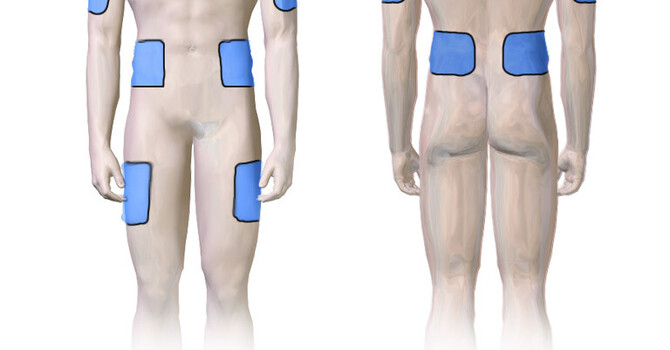
One of the most common concerns parents have after starting treatment is:
"Can kids overdose on growth hormone?"
The good news is that serious or life-threatening growth hormone overdose is extremely uncommon when treatment is prescribed and monitored by an experienced medical provider.
Growth hormone therapy is carefully dosed based on a child's:
- Weight
- Growth rate
- Diagnosis
- Laboratory testing
- Response to treatment
Unlike many medications that can cause immediate toxicity after a single extra dose, growth hormone works gradually over time. In most cases, the primary concern is not a one-time mistake but prolonged exposure to doses that are higher than a child needs.
Understanding how growth hormone is prescribed, monitored, and adjusted can help parents feel more confident about treatment safety.
How Growth Hormone Therapy Is Dosed
HGH for children to grow taller is not prescribed using a one-size-fits-all approach.
Instead, pediatric specialists individualize treatment based on several factors.
These include:
- Body weight
- Age
- Growth potential
- Diagnosis
- Hormone levels
- Growth response
Because children continue growing and developing, dosing often changes throughout treatment.
This is why regular follow-up visits are an essential part of care.
What Does "Overdose" Mean With Growth Hormone?
When most people hear the word overdose, they think of a dangerous event that causes immediate illness or hospitalization.
Growth hormone works differently.
In pediatric endocrinology, overdose generally refers to:
- Excessive dosing over time
- Hormone levels consistently above target ranges
- Inadequate monitoring
- Use without medical supervision
The primary concern is chronic overexposure rather than a single accidental extra dose.
This distinction is important because it helps parents understand why monitoring plays such a major role in treatment safety.
Is a Single Extra Dose Dangerous?
One of the most common situations parents encounter is accidentally administering an extra injection or giving a slightly larger dose than intended.
Fortunately, a one-time dosing mistake is unlikely to cause serious harm in most children.
If this happens, parents should:
Stay Calm
A single extra dose rarely causes significant problems.
Resume the Normal Schedule
In many cases, treatment simply continues as prescribed.
Contact the Treating Provider
Your medical team can provide individualized guidance based on the child's treatment plan.
Most minor dosing errors do not require emergency treatment, but communication with your provider is always recommended.
What Happens If a Child Receives Too Much Growth Hormone?
When growth hormone exposure remains too high for extended periods, side effects become more likely.
Potential symptoms may include:
Headaches
Persistent headaches should always be discussed with a healthcare provider.
Fluid Retention
Some children may develop mild swelling due to increased fluid retention.
Swelling of Hands or Feet
Excess growth hormone can sometimes cause puffiness or swelling.
Joint Discomfort
Joint aches may occur when hormone exposure exceeds physiologic needs.
Muscle Pain
Some children may experience mild musculoskeletal discomfort.
Increased Bone Maturation
One of the most important concerns is accelerated skeletal maturation.
This is why providers closely monitor bone age during treatment.
Why Accelerated Bone Maturation Matters
Growth hormone helps stimulate growth plate activity.
However, excessive hormone exposure may sometimes accelerate skeletal development.
This can result in:
- Faster bone age progression
- Earlier growth plate maturation
- Reduced overall growth window
Ironically, too much growth hormone over time could potentially reduce final height potential rather than improve it.
This is one reason why specialists carefully monitor treatment rather than simply maximizing dosage.
Families often learn about this during a:
bone age assessment
or while evaluating a delayed bone age condition.
How Doctors Prevent Growth Hormone Overdose
Modern pediatric growth programs use multiple safety measures.
Regular Growth Monitoring
Doctors evaluate:
- Height progression
- Weight changes
- Growth velocity
Monitoring helps determine whether treatment remains appropriate.
IGF-1 Testing
Children receiving HGH often undergo laboratory monitoring.
low IGF-1 is commonly evaluated before treatment begins, while elevated levels may indicate excessive dosing.
IGF-1 testing helps physicians determine whether hormone exposure remains within the intended range.
Bone Age Imaging
A bone age assessment helps monitor skeletal maturation.
This allows providers to detect excessive acceleration early.
Weight-Based Dose Adjustments
Because children grow, medication requirements change.
Regular adjustments help maintain safe and effective dosing.
Why Medical Supervision Is So Important
Growth hormone therapy should never be used without proper medical oversight.
Children receiving treatment through a structured program typically undergo:
- Physician follow-ups
- Growth tracking
- Laboratory monitoring
- Dose adjustments
This greatly reduces the likelihood of excessive dosing.
Parents researching growth hormone therapy medical necessity criteria often discover that documentation and monitoring requirements exist partly to ensure treatment safety.
Signs Parents Should Report Immediately
Although serious complications are uncommon, certain symptoms should prompt communication with your provider.
These include:
Persistent Severe Headaches
Especially if worsening over time.
Vision Changes
Blurred vision or visual disturbances should always be evaluated.
Significant Swelling
Marked swelling of hands, feet, or face warrants medical attention.
Ongoing Joint Pain
Persistent discomfort should be discussed with your care team.
New Neurological Symptoms
Any concerning neurologic changes should be evaluated promptly.
Fortunately, these complications remain uncommon when treatment is properly supervised.
What About Growth Hormone Misuse?
Many stories about growth hormone complications involve situations very different from pediatric medical treatment.
Problems are more commonly associated with:
- Unsupervised use
- Performance enhancement
- Bodybuilding misuse
- Excessive dosing
- Non-medical administration
These situations do not reflect how pediatric growth therapy is prescribed.
Medical treatment aims to restore normal growth patterns—not create excessive hormone exposure.
How Safe Is Growth Hormone Therapy for Children?
When prescribed appropriately, growth hormone therapy has an excellent safety record.
Children with conditions such as:
- growth hormone deficiency
- idiopathic short stature
- pituitary disorders
- certain genetic growth disorders
have been treated safely for decades under specialist supervision.
Numerous studies support the safety of treatment when proper monitoring guidelines are followed.
Frequently Asked Questions
Can a child die from taking too much growth hormone?
Life-threatening overdose is extremely rare when treatment is medically supervised.
What happens if I accidentally give an extra injection?
In most cases, a one-time extra dose is unlikely to cause serious harm. Contact your provider for guidance.
How do doctors know if the dose is too high?
Providers monitor growth velocity, IGF-1 levels, symptoms, and bone age progression.
Can too much HGH make a child taller?
Not necessarily. Excessive hormone exposure may actually accelerate bone maturation and shorten the growth window.
What is the best way to prevent dosing problems?
Follow the prescribed treatment plan and attend all monitoring appointments.
The Bottom Line
So, can kids overdose on growth hormone?
Technically, excessive growth hormone exposure can occur if doses are too high or treatment is not properly monitored. However, serious overdose is extremely uncommon when therapy is prescribed and supervised by experienced pediatric growth specialists.
The biggest concern is not a single accidental extra dose but long-term exposure to excessive hormone levels.
Fortunately, regular monitoring through growth measurements, IGF-1 testing, and bone age assessment helps providers keep treatment within a safe and physiologic range.
For children with growth hormone deficiency, idiopathic short stature, low IGF-1, or pituitary disorders, properly managed growth hormone therapy remains one of the safest and most extensively studied treatments in pediatric endocrinology.
Medically Reviewed By
Dr. Devin Stone, ND
Dr. Devin Stone is a Doctor of Naturopathic Medicine and founder of HGHforChildren.com. His clinical focus includes pediatric growth optimization, growth hormone deficiency, delayed bone age assessment, constitutional growth delay, IGF-1 evaluation, and evidence-informed therapies designed to help children maximize healthy growth potential.
References
- Pediatric Endocrine Society. Growth Hormone Treatment Safety Resources.
- Growth Hormone Research Society Consensus Guidelines.
- Endocrine Society Clinical Practice Guidelines.
- National Institute of Diabetes and Digestive and Kidney Diseases (NIDDK).
- Hormone Research in Paediatrics.
- American Academy of Pediatrics. Pediatric Endocrinology Resources.
- National Institutes of Health (NIH). Human Growth Hormone Information.
- Grimberg A, et al. Guidelines for Growth Hormone and IGF-1 Treatment in Children and Adolescents.
Devin Stone
Contact Me