When a child is not growing as expected, parents often search for answers. One of the most important steps in evaluating short stature is ordering the correct child growth failure workup labs. Proper laboratory testing helps identify underlying causes and guides treatment decisions.
Growth failure is typically defined as height below the 3rd percentile for age and sex, or a significantly slowed growth velocity over time. A comprehensive lab workup ensures that serious medical conditions are not missed and helps determine whether growth hormone therapy may be appropriate.
Initial Evaluation Before Lab Testing
Before ordering labs, providers typically:
-
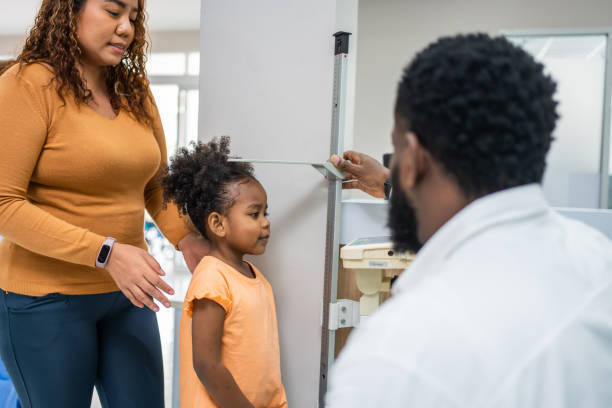
Review detailed growth charts
-
Assess growth velocity over 6–12 months
-
Calculate mid-parental (genetic target) height
-
Perform a thorough medical history and physical exam
If growth concerns persist, laboratory testing becomes the next critical step.
Core Child Growth Failure Workup Labs
A comprehensive evaluation may include the following laboratory studies:
1. Basic Screening Labs
These tests rule out common systemic causes of poor growth:
-
Complete Blood Count (CBC) – screens for anemia or chronic disease
-
Comprehensive Metabolic Panel (CMP) – evaluates kidney, liver, and electrolyte status
-
Erythrocyte Sedimentation Rate (ESR) or CRP – screens for inflammation
-
Thyroid panel (TSH, Free T4) – identifies hypothyroidism
Thyroid dysfunction is one of the most common reversible causes of growth delay.
2. Growth Hormone Axis Testing
If growth hormone deficiency is suspected, additional labs are ordered:
-
IGF-1 (Insulin-Like Growth Factor 1)
-
IGFBP-3 (Insulin-Like Growth Factor Binding Protein 3)
Low levels may suggest impaired growth hormone production, but confirmation requires stimulation testing under specialist supervision.
In the United States, recombinant growth hormone therapy is regulated by the U.S. Food and Drug Administration (FDA) and approved for specific pediatric conditions.
3. Celiac Disease Screening
Celiac disease is an often-overlooked cause of growth failure. Screening labs typically include:
-
Tissue transglutaminase IgA (tTG-IgA)
-
Total serum IgA
Undiagnosed celiac disease can impair nutrient absorption and slow growth.
4. Additional Hormonal Testing
Depending on the child’s age and presentation, further evaluation may include:
-
Cortisol levels
-
Karyotype testing (for suspected Turner Syndrome in girls)
-
Puberty-related hormone panels
Bone age X-ray imaging is also commonly ordered alongside child growth failure workup labs to assess skeletal maturity.
When Is Growth Hormone Stimulation Testing Needed?
If initial labs and clinical findings suggest growth hormone deficiency, a pediatric endocrinologist may order a growth hormone stimulation test. This test measures the pituitary gland’s ability to release growth hormone in response to medication triggers.
Because growth hormone secretion is pulsatile, a single random GH blood level is not diagnostic.
Why a Comprehensive Workup Matters
Ordering the correct child growth failure workup labs ensures that:
-
Nutritional deficiencies are identified
-
Chronic illness is ruled out
-
Hormonal disorders are detected early
-
Appropriate treatment decisions are made
Early evaluation can significantly improve long-term height outcomes, particularly if intervention is started before puberty progresses.
Supporting Your Child’s Growth Journey
Growth concerns can be stressful for families, but a structured, evidence-based evaluation provides clarity. A thorough laboratory workup, combined with expert interpretation, is the foundation of accurate diagnosis.
At HGH for Children, we provide comprehensive evaluations, including advanced growth failure testing and individualized care plans tailored to your child’s needs.
To learn more or schedule a consultation, visit:
https://www.HGHforChildren.com
Medically Reviewed By
Dr. Devin Stone, ND
Dr. Devin Stone, ND is a licensed naturopathic doctor and founder of HGHforChildren.com. He specializes in pediatric growth evaluation, short stature assessment, delayed puberty, bone age analysis, growth hormone deficiency screening, and growth optimization programs for children and adolescents.
Dr. Stone earned his degree from Bastyr University and has helped families nationwide better understand growth concerns through evidence-based evaluation and personalized treatment planning. His clinical focus includes growth hormone testing, IGF-1 interpretation, bone age assessment, pediatric endocrinology support, and growth-promoting interventions when medically appropriate.
Through HGHforChildren.com, Dr. Stone educates parents on childhood growth disorders, height prediction, growth velocity monitoring, and treatment options for children who may not be reaching their growth potential.
Learn more about Dr. Stone and schedule a consultation with our pediatric growth team.