Parents often become concerned when their child seems noticeably shorter than classmates or stops growing at the expected rate. While some children are simply late bloomers, others may have an underlying medical condition affecting growth. One of the most important conditions pediatric endocrinologists evaluate is growth hormone deficiency (GHD).
Understanding growth hormone deficiency treatment in kids can help parents make informed decisions if their child receives this diagnosis. Early identification and treatment can significantly improve growth outcomes, support normal development, and help children reach a height closer to their genetic potential.
In this comprehensive guide, we'll explain what growth hormone deficiency is, how it is diagnosed, what treatment involves, expected results, safety considerations, and when families should seek evaluation.
What Is Growth Hormone Deficiency?
Growth hormone deficiency occurs when the pituitary gland does not produce enough growth hormone to support normal growth and development.
The pituitary gland is a small structure located at the base of the brain. Despite its size, it plays a major role in regulating growth, puberty, metabolism, and hormone production throughout the body.
Growth hormone stimulates the liver to produce insulin-like growth factor-1 (IGF-1), which directly affects the growth plates within bones. These growth plates are responsible for increasing height throughout childhood and adolescence.
When growth hormone production is inadequate, children may grow much more slowly than expected.
How Common Is Growth Hormone Deficiency?
Growth hormone deficiency is relatively uncommon but remains one of the most important medical causes of short stature.
Some children are born with the condition, while others develop it later due to:
- Pituitary abnormalities
- Brain injuries
- Certain genetic conditions
- Radiation exposure
- Tumors affecting the pituitary gland
In many cases, however, no clear cause is identified.
Because the condition can progress gradually, parents often notice changes only after several years of slower growth.
Signs and Symptoms of Growth Hormone Deficiency
The most common sign is slow linear growth.
A child with growth hormone deficiency may:
- Grow less than expected each year
- Fall progressively lower on growth charts
- Appear younger than classmates
- Have delayed tooth eruption
- Develop delayed puberty
- Have increased body fat around the abdomen
- Show reduced muscle development
- Remain significantly shorter than predicted family height
Many children otherwise appear healthy and active.
This is why monitoring growth patterns over time is often more important than evaluating height alone.
Why Growth Velocity Matters More Than Height
Many parents focus on a child's current height percentile. However, pediatric endocrinologists often pay closer attention to growth velocity.
Growth velocity refers to how many inches a child grows each year.
A child who consistently remains on the 10th percentile may be completely healthy.
However, a child who falls from the 50th percentile to the 10th percentile may require further evaluation.
This type of slowing growth pattern is often one of the earliest warning signs of an underlying hormonal problem.
Children with poor growth velocity frequently undergo evaluation to determine whether growth hormone deficiency or another condition is contributing to slowed growth.
How Growth Hormone Deficiency Is Diagnosed
Diagnosing growth hormone deficiency involves several steps.
Detailed Growth History
Doctors review:
- Previous height measurements
- Growth chart trends
- Family heights
- Puberty timing
- Medical history
Growth patterns often provide valuable clues before laboratory testing begins.
Physical Examination
The examination may assess:
- Height and weight percentiles
- Body proportions
- Pubertal development
- Signs of genetic syndromes
- Nutritional status
Blood Testing
Laboratory studies often include:
- IGF-1 levels
- IGFBP-3 levels
- Thyroid testing
- Comprehensive metabolic markers
Children with low IGF-1 levels may require additional testing to determine whether growth hormone production is impaired.
Bone Age Evaluation
A bone age X-ray evaluates skeletal maturity.
Many children with growth hormone deficiency demonstrate a delayed bone age, meaning their bones appear younger than their chronological age.
This finding can provide valuable information about remaining growth potential.
Growth Hormone Stimulation Testing
Because growth hormone is released in pulses throughout the day, random blood tests are not reliable.
Instead, doctors use specialized stimulation tests that evaluate how much growth hormone the pituitary gland can release under controlled conditions.
Abnormal results may confirm the diagnosis.
Brain Imaging
Some children require MRI evaluation of the pituitary gland.
This is especially important when healthcare providers suspect underlying pituitary disorders or structural abnormalities.
What Is the Standard Treatment for Growth Hormone Deficiency?
The gold standard treatment is recombinant human growth hormone therapy.
This treatment replaces the hormone that the body is not producing adequately.
Unlike treatments designed to stimulate hormone production, growth hormone replacement directly provides the hormone itself.
The goal is to restore normal physiology and support healthy growth.
How Growth Hormone Therapy Is Given
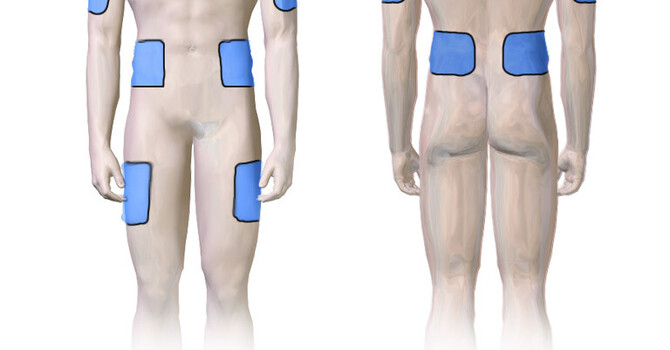
HGH for children to grow taller is administered through:
- Small injections under the skin
- Once-daily dosing
- Home administration by parents or older children
- Evening or nighttime scheduling
The timing is designed to mimic the body's natural growth hormone secretion patterns.
Most families become comfortable administering injections after proper instruction.
Modern injection devices are designed to minimize discomfort and improve ease of use.
What Happens After Treatment Begins?
One of the most encouraging aspects of therapy is that parents often see measurable improvement within the first year.
Increased Growth Rate
The first noticeable change is typically accelerated growth velocity.
Children frequently begin growing significantly faster than before treatment.
Improved Appetite
Some children experience an increase in appetite as growth activity increases.
Increased Muscle Development
Growth hormone supports lean body mass and muscle development.
Families may notice improvements in strength and body composition.
Increased Energy
Many children report improved energy levels and physical performance.
How Much Height Can Growth Hormone Treatment Add?
This is one of the most common questions parents ask.
The answer varies significantly depending on:
- Age at diagnosis
- Severity of deficiency
- Bone age
- Genetics
- Puberty timing
- Treatment consistency
Children diagnosed and treated earlier often experience the greatest height gains.
While every child responds differently, treatment can dramatically improve adult height outcomes when true growth hormone deficiency is present.
The goal is not to make children unusually tall.
The goal is to help them achieve their genetic growth potential.
Why Early Diagnosis Matters
Growth plates remain open only for a limited period.
Once puberty progresses and growth plates close, additional height gain becomes impossible.
Children diagnosed earlier benefit from:
- More years of treatment
- Greater cumulative growth
- More opportunity to approach target height
- Better overall outcomes
This is one reason pediatric growth evaluations should not be delayed when concerns arise.
Growth Hormone Therapy Versus Sermorelin
Parents sometimes hear about Sermorelin for Children when researching growth treatments.
The two therapies work differently.
Growth hormone therapy replaces growth hormone directly.
Sermorelin stimulates the pituitary gland to increase its own production of growth hormone.
Children with confirmed growth hormone deficiency often require direct hormone replacement because the pituitary gland cannot adequately produce growth hormone on its own.
Treatment selection depends on the underlying diagnosis, laboratory findings, and physician assessment.
Monitoring During Treatment
Growth hormone therapy requires ongoing monitoring.
Regular follow-up visits allow providers to assess response and adjust treatment as needed.
Monitoring typically includes:
Height Measurements
Accurate height tracking remains the most important outcome measure.
Growth Velocity Calculations
Providers evaluate yearly growth rates to determine treatment effectiveness.
Bone Age Monitoring
Periodic bone age studies help assess skeletal maturation.
Laboratory Testing
Doctors often monitor:
- IGF-1 levels
- Thyroid function
- Metabolic markers
Dose Adjustments
Treatment plans may be modified based on growth response and laboratory findings.
Is Growth Hormone Treatment Safe?
Growth hormone therapy has been used in pediatric endocrinology for decades.
When prescribed appropriately and monitored by experienced clinicians, treatment is generally considered safe.
Most children tolerate therapy very well.
Potential side effects may include:
- Mild injection site reactions
- Headaches
- Temporary fluid retention
- Joint discomfort
Serious complications are uncommon.
Regular monitoring helps ensure therapy remains both safe and effective.
Growth Hormone Deficiency and Delayed Puberty
Growth hormone deficiency may contribute to delayed physical maturation.
Some children with GHD also experience delayed puberty, which can increase emotional stress during adolescence.
Treating the underlying hormone deficiency often supports more normal developmental progression.
Puberty timing remains an important part of long-term monitoring.
Growth Hormone Deficiency vs Idiopathic Short Stature
Not every short child has growth hormone deficiency.
Some children receive a diagnosis of idiopathic short stature, meaning they are significantly shorter than average without an identifiable medical cause.
Although both conditions involve short stature, the underlying mechanisms differ.
Proper testing helps distinguish between these diagnoses and guides treatment recommendations.
Growth Hormone Deficiency vs Constitutional Growth Delay
Another common source of confusion is constitutional growth delay.
Children with constitutional growth delay often:
- Grow normally but slowly
- Have delayed bone age
- Enter puberty later
- Eventually catch up naturally
By contrast, children with growth hormone deficiency often demonstrate impaired hormone production and may not achieve expected adult height without treatment.
Accurate diagnosis is essential because management strategies differ substantially.
When Should Parents Seek Evaluation?
Consider scheduling a pediatric growth evaluation if your child:
- Grows less than 2 inches per year after age 5
- Falls downward on growth charts
- Appears significantly shorter than peers
- Has delayed puberty
- Has a delayed bone age
- Has low IGF-1 levels
- Is substantially below predicted family height
The earlier concerns are investigated, the greater the opportunity to identify treatable conditions.
Frequently Asked Questions
Can growth hormone deficiency be cured?
The deficiency itself usually cannot be cured. However, growth hormone replacement therapy can effectively manage the condition and support normal growth.
How long does treatment last?
Most children remain on treatment until growth plates close or growth significantly slows.
Will my child become unusually tall?
No. The goal is to help children reach their genetic potential, not exceed it.
Are daily injections painful?
Most children adapt quickly. Modern injection devices are designed to minimize discomfort.
Does insurance cover growth hormone treatment?
Coverage varies. Many insurance plans provide coverage when growth hormone deficiency is confirmed through appropriate testing.
Can growth hormone deficiency affect adulthood?
Yes. Some individuals continue to require evaluation and management after growth is complete, depending on the cause and severity of deficiency.
The Bottom Line
Growth hormone deficiency treatment in kids can be life-changing when a true deficiency is identified early. By replacing a missing hormone, treatment allows normal growth processes to resume, helping children improve height velocity, support healthy development, and move closer to their genetic height potential.
The most successful outcomes occur when growth concerns are recognized early, accurately diagnosed, and carefully monitored throughout treatment. If your child is growing significantly slower than expected, falling on growth charts, or showing signs of delayed development, a comprehensive pediatric growth evaluation may provide answers.
Understanding the cause of slow growth is the first step toward helping your child achieve the healthiest growth outcome possible.
Medically Reviewed By
Dr. Devin Stone, ND
Dr. Devin Stone is a Doctor of Naturopathic Medicine and founder of HGHforChildren.com. His clinical focus includes pediatric growth optimization, growth hormone deficiency, delayed bone age assessment, constitutional growth delay, IGF-1 evaluation, and evidence-informed therapies designed to help children maximize healthy growth potential.
References
- Pediatric Endocrine Society. Growth Hormone Deficiency in Children.
- Growth Hormone Research Society Consensus Guidelines.
- Endocrine Society Clinical Practice Guidelines.
- National Institute of Diabetes and Digestive and Kidney Diseases (NIDDK).
- American Academy of Pediatrics Growth Monitoring Recommendations.
- Hormone Research in Paediatrics.
- National Institutes of Health (NIH) Pediatric Growth Resources.