Parents researching treatment options often discover that growth hormone therapy is not discussed the same way by every doctor, researcher, or family. This leads many people to search growth hormone therapy controversial short stature to understand why opinions sometimes differ.
The controversy is not usually about whether growth hormone works. Growth hormone therapy has been used in pediatric medicine for decades and has helped many children with growth disorders achieve healthier growth patterns.
Instead, the debate often centers around a different question:
When is treatment medically necessary, and when is it optional?
For children with diagnosed growth disorders, most pediatric endocrinologists agree that treatment can provide meaningful benefits. The discussion becomes more complex when a child is healthy but significantly shorter than average.
Understanding both sides of the conversation helps families make informed decisions based on their child's unique circumstances.
Why Growth Hormone Therapy Is Widely Accepted for Medical Conditions
There is very little controversy surrounding treatment for documented medical growth disorders.
Children with conditions such as:
- growth hormone deficiency
- pituitary disorders
- low IGF-1
- certain genetic conditions affecting growth
may have difficulty reaching their natural growth potential without treatment.
In these situations, growth hormone therapy is generally viewed as restoring normal development rather than enhancing growth beyond what would naturally occur.
The primary goals are to:
- Improve growth velocity
- Support normal development
- Increase adult height potential
- Help children achieve expected physical maturation
For these children, therapy addresses an identifiable medical issue.
How Doctors Determine Whether Treatment Is Appropriate
Before treatment is considered, children typically undergo a comprehensive evaluation.
Families often begin this process through a child height specialist consultation or a pediatric growth evaluation appointment.
This evaluation may include:
Growth Chart Review
Doctors assess whether growth patterns are normal or concerning.
Growth Velocity Assessment
Children with poor growth velocity may require additional investigation.
Hormone Testing
Laboratory testing helps evaluate growth-related hormone function.
Bone Age Assessment
A bone age assessment helps estimate remaining growth potential.
Children with delayed bone age may still have significant years of growth remaining.
Family Height Analysis
Providers compare growth patterns to expected genetic height potential.
Only after completing this process can treatment decisions be made appropriately.
Where the Controversy Begins: Idiopathic Short Stature
The debate becomes more complex in cases involving idiopathic short stature.
Idiopathic short stature refers to children who:
- Are significantly shorter than average
- Do not have an identifiable medical disease
- Have otherwise normal health
- May have a predicted adult height well below average
In these situations, treatment decisions become less straightforward.
Many parents first encounter this topic while researching:
- why is my child the shortest in class
- child height below 5th percentile
- is my child too short for their age
These concerns are understandable, but they also raise important questions about how short stature should be viewed.
The Central Question: Is Short Stature a Medical Condition?
One reason growth hormone therapy controversial short stature discussions continue is that experts sometimes disagree on how short stature should be categorized.
Some believe that:
- Significant short stature can negatively affect quality of life
- Treatment may help children reach a more typical height range
- Supporting growth can improve social confidence and functioning
Others argue that:
- Short stature is often a normal genetic variation
- Not every physical difference requires medical treatment
- Height alone should not automatically be considered a disease
Neither perspective is necessarily wrong.
Instead, they reflect different views about the role of medical treatment.
Why Some Families Choose Treatment
For many families, treatment is not about creating exceptional height.
Rather, it is about helping a child approach their genetic potential.
Parents often seek information after learning:
- Their child is much shorter than expected
- Growth is slowing unexpectedly
- Height projections are lower than family patterns would suggest
Families researching how tall will my child be frequently discover that growth potential can be influenced by more than genetics alone.
In these situations, some parents feel treatment provides an opportunity to support normal development.
Why Some Families Decide Against Treatment
Not every family chooses growth hormone therapy.
Some parents conclude that:
- Their child is healthy overall
- Height differences do not require intervention
- Treatment commitment outweighs potential benefits
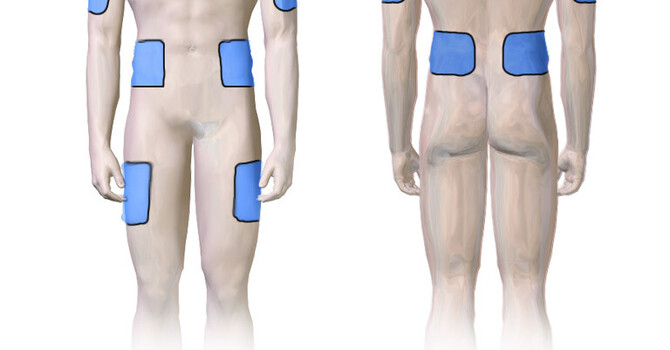
Growth hormone therapy often involves:
- Daily or regular injections
- Long-term follow-up
- Laboratory monitoring
- Multiple years of treatment
Parents considering therapy frequently review information about:
- growth hormone treatment years duration safety
- growth hormone therapy stopping early effects
- cost vs benefit of growth hormone therapy in a child
These factors naturally influence decision-making.
The Role of Expectations
Another reason controversy exists involves expectations.
Some families mistakenly assume growth hormone therapy will dramatically increase height.
In reality, outcomes vary depending on:
- Diagnosis
- Age at treatment initiation
- Growth plate maturity
- Puberty timing
- Treatment duration
Most specialists emphasize realistic expectations rather than guaranteed results.
Children generally gain the greatest benefit when therapy is used to address an underlying growth problem rather than simply increase height.
Why Timing Matters
Parents often ask about the safe age to start human growth hormone therapy because treatment timing influences potential outcomes.
Children grow only while growth plates remain open.
A bone age assessment helps providers determine:
- How much growth remains
- Whether treatment is likely to help
- How urgently decisions need to be made
Because growth opportunities decrease over time, early evaluation can be important even when treatment is ultimately not pursued.
What Medical Guidelines Generally Recommend
Although opinions differ regarding certain cases, most specialists agree on several principles.
Careful Evaluation First
Treatment should never be based on height alone.
Medical Necessity Assessment
Providers use established growth hormone therapy medical necessity criteria when evaluating eligibility.
Individualized Decision-Making
Each child's situation is unique.
Ongoing Monitoring
Children receiving therapy require regular follow-up.
Shared Decision-Making
Parents should understand both benefits and limitations before proceeding.
These principles help ensure treatment decisions are thoughtful and evidence-based.
Common Misconceptions About Growth Hormone Therapy
Myth: Treatment Makes Children Extremely Tall
The goal is helping children approach their natural growth potential—not creating excessive height.
Myth: Growth Hormone Is a Performance Enhancer
Many families learn through discussions about growth hormone therapy and sports performance in kids myth that pediatric treatment is intended to restore normal development rather than improve athletic performance.
Myth: Treatment Is Unsafe Because It Lasts Years
Research on growth hormone treatment years duration safety has generally been reassuring when therapy is properly supervised.
Myth: All Short Children Need Treatment
Many children with short stature never require medical intervention.
Frequently Asked Questions
Is growth hormone therapy controversial for growth hormone deficiency?
No. Treatment is widely accepted for documented growth hormone deficiency.
Why is idiopathic short stature controversial?
Because the child is often healthy overall, experts may disagree about whether treatment is medically necessary.
Can short stature affect emotional well-being?
For some children, yes. Individual experiences vary significantly.
How do doctors decide whether treatment is appropriate?
A comprehensive evaluation including growth history, laboratory testing, and a bone age assessment helps guide decisions.
Is treatment always recommended if a child is short?
No. Many children are monitored without treatment.
The Bottom Line
The debate surrounding growth hormone therapy controversial short stature discussions is usually not about safety or effectiveness.
Instead, it centers on how short stature should be viewed when a child is otherwise healthy.
For children with growth hormone deficiency, pituitary disorders, low IGF-1, and other documented medical conditions, treatment is broadly accepted as a valuable medical therapy.
For children with idiopathic short stature, decisions become more individualized and depend on growth patterns, predicted adult height, family goals, and personal values.
Through a thorough evaluation, realistic expectations, and shared decision-making, families and providers can determine whether treatment aligns with the child's developmental needs and long-term well-being.
Medically Reviewed By
Dr. Devin Stone, ND
Dr. Devin Stone is a Doctor of Naturopathic Medicine and founder of HGHforChildren.com. His clinical focus includes pediatric growth optimization, growth hormone deficiency, delayed bone age assessment, constitutional growth delay, IGF-1 evaluation, and evidence-informed therapies designed to help children maximize healthy growth potential.
References
- Pediatric Endocrine Society. Growth Hormone Treatment Guidelines.
- Growth Hormone Research Society Consensus Statement.
- Endocrine Society Clinical Practice Guidelines.
- National Institute of Diabetes and Digestive and Kidney Diseases (NIDDK).
- Hormone Research in Paediatrics.
- American Academy of Pediatrics. Pediatric Growth Disorders.
- National Institutes of Health (NIH). Human Growth Hormone Information.
- Grimberg A, et al. Guidelines for Growth Hormone and IGF-1 Treatment in Children and Adolescents.
Devin Stone
Contact Me