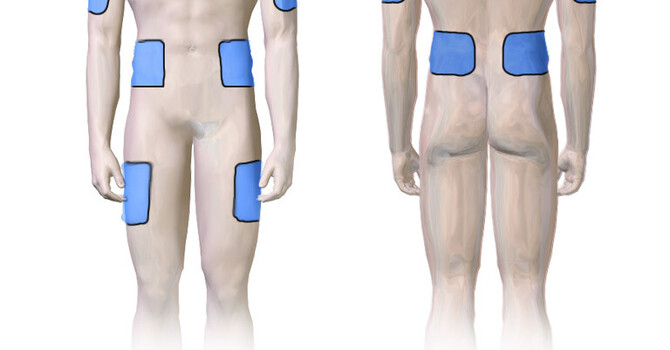
When parents begin researching growth hormone therapy teenagers effectiveness, it is often because their teenager seems significantly shorter than peers or has not experienced the growth spurt that many adolescents go through during puberty. The teenage years can be an especially emotional time for growth concerns, as height differences may become more noticeable in school, sports, and social settings. Families naturally want to know whether treatment can still make a meaningful difference during this stage of development.
The encouraging news is that growth hormone therapy can be effective for teenagers in the right circumstances. The key factors are timing, diagnosis, and how much growth potential remains before growth plates close. Understanding how treatment works during adolescence can help parents make informed decisions about their child’s growth care.
How Growth Changes During the Teen Years
During childhood, growth usually occurs at a steady rate each year. Once puberty begins, however, growth patterns change significantly.
Puberty triggers a rapid growth spurt, during which teenagers may grow several inches within a relatively short time. At the same time, puberty hormones gradually cause the growth plates in bones to mature and close.
Growth plates are areas of cartilage located near the ends of long bones. They allow bones to lengthen and are responsible for height increases throughout childhood and adolescence.
Once growth plates close, height growth stops. Because of this, the effectiveness of growth hormone therapy during the teenage years depends heavily on whether these plates are still open.
How Growth Hormone Therapy Works
Growth hormone therapy involves providing synthetic human growth hormone (HGH) to children or teenagers whose bodies may not be producing enough of this important hormone.
Human growth hormone is normally produced by the pituitary gland, located at the base of the brain. It plays a major role in stimulating bone growth, regulating metabolism, and supporting overall development.
When hormone levels are lower than expected, the signals that stimulate bone growth may weaken, leading to slower height increases.
When prescribed and carefully monitored, growth hormone therapy may help teenagers:
-
Increase their growth velocity
-
Improve their height percentile
-
Support bone growth while growth plates remain open
-
Move closer to their genetic height potential
The goal is not to create unrealistic height expectations but to help the body make the most of the growth time that remains.
When Growth Hormone Therapy May Be Effective for Teenagers
Growth hormone therapy can be effective in teenagers when certain conditions are present.
Treatment tends to work best when:
-
Growth plates remain open
-
Bone age suggests additional growth potential
-
The teenager has growth hormone deficiency
-
Puberty has not progressed too far
-
Growth has slowed significantly compared with peers
Teenagers who begin treatment earlier in adolescence often experience stronger growth responses simply because they have more time left before growth plates close.
However, even teenagers who start later may still benefit if evaluation shows that growth plates remain open and hormone levels suggest treatment may help.
Factors That Influence Treatment Results
Every teenager responds differently to growth hormone therapy. Several factors influence how effective treatment may be.
Bone Age
Bone age helps doctors determine skeletal maturity. If bone age is delayed compared with chronological age, the teenager may still have more growth potential.
Puberty Timing
Late bloomers often experience later growth spurts, which may allow additional time for height development.
Underlying Diagnosis
Teenagers with confirmed growth hormone deficiency often respond more strongly to therapy than those whose height is influenced mainly by genetics.
Growth Before Treatment
A teenager’s previous growth velocity helps doctors estimate how strongly the body may respond once treatment begins.
Why Growth Evaluation Is Important
Age alone does not determine whether growth hormone therapy may be helpful. What matters most is understanding a teenager’s overall growth pattern and remaining growth potential.
Physicians typically perform a detailed growth evaluation before recommending treatment.
This evaluation may include:
-
Review of long-term growth charts
-
Measurement of growth velocity
-
Bone age imaging
-
Review of family height patterns
-
Hormone testing when appropriate
-
Predicted adult height calculations
These factors help doctors determine whether a teenager may benefit from therapy and how much growth potential remains.
Through specialized consultations focused on pediatric growth concerns, families can review their teenager’s growth history and explore whether additional support may help improve growth outcomes.
Supporting Confidence During Adolescence
Height differences can be especially noticeable during the teenage years. Adolescents who feel significantly smaller than peers may become self-conscious during school, sports, or social activities.
Addressing growth concerns thoughtfully can help teenagers feel more confident about their development. As growth improves, many adolescents feel more comfortable participating in activities and engaging with peers.
Growth care focuses not only on physical development but also on helping teenagers feel supported and confident during this important stage of life.
A Positive Outlook for Families
For parents researching growth hormone therapy teenagers effectiveness, it is important to remember that adolescence still offers opportunities for growth, particularly when growth plates remain open.
With careful evaluation and personalized care, many teenagers experiencing slower growth can still improve their growth trajectory.
Modern pediatric growth medicine allows physicians to identify when therapy may be helpful and to guide families through safe, individualized treatment plans that support both physical development and long-term confidence.
Medically Reviewed By
Dr. Devin Stone, ND
Dr. Devin Stone, ND is a licensed naturopathic doctor and founder of HGHforChildren.com. He specializes in pediatric growth evaluation, short stature assessment, delayed puberty, bone age analysis, growth hormone deficiency screening, and growth optimization programs for children and adolescents.
Dr. Stone earned his degree from Bastyr University and has helped families nationwide better understand growth concerns through evidence-based evaluation and personalized treatment planning. His clinical focus includes growth hormone testing, IGF-1 interpretation, bone age assessment, pediatric endocrinology support, and growth-promoting interventions when medically appropriate.
Through HGHforChildren.com, Dr. Stone educates parents on childhood growth disorders, height prediction, growth velocity monitoring, and treatment options for children who may not be reaching their growth potential.
Learn more about Dr. Stone and schedule a consultation with our pediatric growth team.
Devin Stone
Contact Me