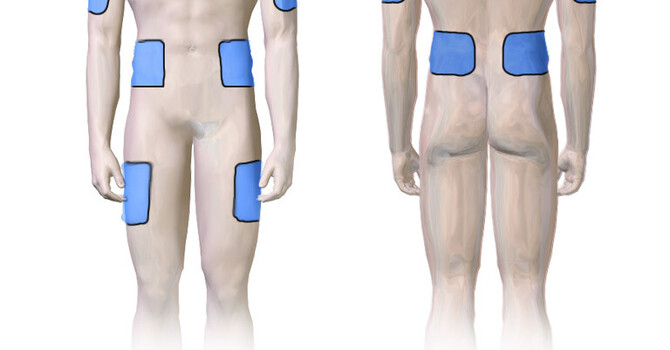
One of the biggest concerns parents have after starting treatment is uncertainty about what comes next.
Many families begin growth hormone therapy expecting dramatic changes within weeks, only to wonder whether treatment is working when they don't immediately see significant height gains.
The truth is that growth hormone therapy is a long-term process.
Children do not suddenly gain several inches overnight. Instead, treatment works gradually by improving growth signaling, increasing growth velocity, and supporting healthy bone growth over several years.
Understanding the growth hormone therapy timeline in children helps families set realistic expectations and recognize the normal stages of treatment success.
The good news is that growth hormone therapy follows a fairly predictable pattern. While every child responds differently, most children experience similar phases of progress as treatment continues.
Let's look at what typically happens from the first injection through the completion of growth.
Before Treatment Begins: The Evaluation Phase
Before a child starts growth hormone therapy, doctors first determine whether treatment is appropriate.
A comprehensive pediatric growth evaluation may include:
Growth Chart Analysis
Providers review long-term growth patterns and growth curve percentiles.
Bone Age Assessment
A bone age test helps determine skeletal maturity and remaining growth potential.
Blood Testing
Laboratory evaluation may include:
- IGF-1
- IGFBP-3
- Thyroid testing
- Other hormone markers
Children with low IGF-1 levels may have reduced growth signaling.
Growth Hormone Stimulation Testing
Some children undergo additional testing to evaluate for growth hormone deficiency.
Predicted Adult Height Evaluation
Doctors assess whether projected adult height aligns with family expectations.
Once treatment is approved, families receive education regarding injections, storage, dosing schedules, and follow-up visits.
Month 1–3: The Adjustment Phase
The first few months are often called the adaptation period.
Although significant height gains are usually not visible yet, important biological changes are occurring.
During this stage, growth hormone begins influencing multiple systems throughout the body.
Parents may notice:
Increased Appetite
Many children experience increased hunger.
Improved Sleep
Sleep quality often improves during treatment.
Better Energy Levels
Some families report increased activity and endurance.
Improved Recovery
Children may recover faster from physical activity.
At this stage, most of the progress is occurring internally.
Parents often become concerned because height changes are still minimal.
This is completely normal.
What Is Happening Inside the Body?
Growth hormone is actively stimulating:
IGF-1 Production
The liver begins producing more growth-related signaling molecules.
Bone Growth Signaling
Growth plates receive stronger growth messages.
Protein Synthesis
The body increases tissue-building activity.
Cellular Growth
Growth-related tissues become more active.
The groundwork for future height gains is being established.
Months 3–6: Early Growth Acceleration
This is often when families begin noticing visible progress.
Growth velocity typically starts improving during this period.
Children may begin:
Outgrowing Clothing Faster
Pants and shirts may become shorter more quickly.
Moving Upward on Growth Charts
Growth percentiles may stabilize or improve.
Demonstrating Improved Growth Velocity
Annual growth rates begin increasing.
Complaining of Mild Growing Pains
Some children report intermittent leg discomfort associated with periods of rapid growth.
Parents frequently describe this as the point where they begin feeling reassured that treatment is working.
Why Growth Velocity Matters
One of the earliest signs of success is improved growth speed.
Doctors pay close attention to height velocity improvement with HGH in kids because it is often the first measurable sign of treatment effectiveness.
A child who was previously growing less than 2 inches per year may begin growing at a significantly faster rate.
This improvement often precedes major height gains.
Months 6–12: The Peak First-Year Response
For many children, the first year produces the most dramatic improvement in growth velocity.
This period is often considered the most exciting phase of treatment.
Common observations include:
Faster Yearly Growth Rates
Growth velocity may increase substantially compared with pre-treatment rates.
Improved Growth Percentiles
Children may begin climbing percentile curves.
Leaner Body Composition
Growth hormone supports healthy body composition and muscle development.
Increased Physical Confidence
Children often feel better about their height relative to peers.
Parents researching the success rate of HGH therapy in children frequently learn that the first year provides some of the strongest measurable improvements.
Why Doctors Monitor Closely During Year One
Providers often perform more frequent monitoring during the first year.
This may include:
Height Measurements
Tracking growth response.
Weight Assessments
Monitoring overall development.
IGF-1 Testing
Evaluating hormone activity.
Bone Age Monitoring
Assessing skeletal maturation.
Dose Adjustments
Ensuring treatment remains appropriately individualized.
This is why HGH therapy monitoring labs in children are an important component of treatment.
Years 2–3: The Consistent Growth Phase
After the initial acceleration phase, growth generally becomes steadier.
This stage focuses on maintaining healthy progress.
Families often notice:
Consistent Annual Growth
Children continue gaining height year after year.
Improved Adult Height Predictions
Projected final height may improve.
Narrowing Height Differences
Children may move closer to peer height ranges.
More Age-Appropriate Development
Growth and maturation become more aligned.
This phase is often less dramatic than the first year but contributes significantly to long-term outcomes.
Why Long-Term Consistency Matters
Growth hormone therapy works cumulatively.
A small amount of growth each month can add up to meaningful improvements over several years.
This is why average height gain with growth hormone in kids is often measured over multiple years rather than months.
The ultimate goal is sustained progress rather than rapid short-term growth.
Puberty: The Combined Growth Phase
Puberty represents one of the most important periods during treatment.
During puberty:
Natural Growth Hormone Increases
The body produces additional growth hormone naturally.
Growth Plates Become Highly Active
Height gains may accelerate.
Growth Spurts Occur
Children experience their largest natural growth periods.
Treatment and Puberty Work Together
Growth hormone therapy may help maximize this growth window.
Children with delayed puberty often retain growth potential longer because skeletal maturation occurs later.
Why Puberty Timing Influences Results
Two children receiving identical treatment may experience very different outcomes depending on puberty timing.
Children with:
- Earlier puberty
- Advanced bone age
- Rapid skeletal maturation
may have less growth opportunity remaining.
Children with:
- Delayed puberty
- Delayed bone age
- Open growth plates
often have additional years available for growth.
The Final Stage: Growth Plate Maturation
Eventually, every child reaches a point where growth begins slowing naturally.
Providers monitor:
Bone Age Progression
Assessing skeletal maturity.
Growth Velocity
Tracking annual height gains.
Growth Plate Development
Determining remaining growth potential.
Predicted Adult Height
Evaluating final treatment goals.
As growth plates mature, growth gradually slows regardless of treatment.
When Growth Hormone Therapy Ends
Growth hormone treatment for height gain generally stops when:
Growth Plates Close
Additional height gains become impossible.
Growth Velocity Falls Below Approximately One Inch Per Year
Growth is nearly complete.
Adult Height Potential Has Been Reached
Meaningful gains are unlikely.
This is why how long kids stay on growth hormone varies from child to child.
The answer depends on growth potential rather than age alone.
Conditions Commonly Following This Timeline
This treatment pattern is commonly seen in children with:
- growth hormone deficiency
- idiopathic short stature
- constitutional growth delay
- pituitary disorders
- low IGF-1 levels
Although individual responses vary, the overall timeline is often similar.
Frequently Asked Questions
How soon does HGH start working?
Hormonal changes begin almost immediately, but visible height changes usually take several months.
When is the biggest growth response seen?
The first year often produces the largest improvement in growth velocity.
How often are children monitored?
Most children undergo evaluations every few months during treatment.
Does growth continue after the first year?
Yes. Many children continue growing at improved rates for several years.
Can HGH work after growth plates close?
No. Once growth plates fuse, height gains are no longer possible.
The Bottom Line
The growth hormone therapy timeline in children follows a gradual and predictable pattern.
The first few months focus on hormonal adaptation.
Months three through twelve often produce the largest increase in growth velocity.
Years two and beyond provide steady progress, while puberty contributes additional growth opportunities before growth plates eventually close.
Parents should remember that HGH therapy is not designed to create overnight results.
Instead, it works through consistent, cumulative improvements that help children maximize their growth potential over time.
Patience, regular monitoring, and long-term commitment are often the keys to successful outcomes.
Medically Reviewed By
Dr. Devin Stone, ND
Dr. Devin Stone is a Doctor of Naturopathic Medicine and founder of HGHforChildren.com. His clinical focus includes pediatric growth optimization, growth hormone deficiency, delayed bone age assessment, constitutional growth delay, IGF-1 evaluation, and evidence-informed therapies designed to help children maximize healthy growth potential.
References
Grimberg A, DiVall SA, Polychronakos C, et al. Guidelines for Growth Hormone and IGF-I Treatment in Children. Hormone Research in Paediatrics.
Growth Hormone Research Society. Consensus Guidelines for Pediatric Growth Disorders.
American Academy of Pediatrics. Evaluation and Management of Short Stature in Children.
National Institute of Diabetes and Digestive and Kidney Diseases (NIDDK). Growth Disorders and Growth Hormone Deficiency.
National Institutes of Health (NIH). Pediatric Endocrinology and Growth Assessment Resources.
Devin Stone
Contact Me