When parents learn their child is significantly shorter than classmates, one of the first questions they ask is whether improving nutrition will be enough—or whether growth hormone treatment is necessary. Searching online often leads families to compare growth hormone therapy with nutritional interventions, but these two approaches are not direct competitors. Instead, they address very different causes of poor growth.
For some children, inadequate nutrition is the primary reason they are not growing as expected. Correcting calorie intake, protein consumption, or vitamin deficiencies may allow growth to return to normal without medication. For others, however, the problem lies within the endocrine system, and no amount of improved nutrition can replace a missing hormone or correct a medical growth disorder.
The challenge for parents is determining why their child is growing slowly before choosing a treatment plan.
A comprehensive pediatric growth evaluation helps answer that question by looking at nutrition, genetics, hormone function, medical history, growth velocity, bone age, and laboratory testing together.
Rather than asking whether growth hormone is "better" than nutrition, the more important question is:
What is preventing this child from reaching their full growth potential?
Understanding How Children Grow
Growth is one of the most complex processes in childhood. It requires multiple body systems to work together in harmony.
Healthy growth depends on:
- Adequate calories
- High-quality protein
- Vitamins and minerals
- Healthy hormone production
- Proper thyroid function
- Healthy bones
- Normal sleep patterns
- Physical activity
- Good overall health
- Normal genetics
If any one of these areas is significantly impaired, height gain may slow.
This is why experienced pediatric growth specialists rarely recommend treatment based on height alone.
Instead, they first determine whether the child's growth problem results from nutrition, hormones, genetics, chronic illness, or another medical condition.
Why Nutrition Is the Foundation of Growth
Before considering medications, physicians evaluate whether a child's body has the nutrients necessary to build new bone, muscle, cartilage, and connective tissue.
Children experience tremendous physical growth during infancy, childhood, and puberty.
That growth requires energy.
Without adequate nutrition, even a child with completely normal growth hormone production may fail to grow properly.
This is why nutritional assessment is an essential part of every pediatric growth evaluation.
What Is Nutritional Therapy?
Nutritional therapy is not simply telling a child to "eat more."
Instead, it is a structured medical approach that identifies nutritional factors limiting normal growth and corrects them.
Treatment may involve:
- Increasing calorie intake
- Improving protein consumption
- Correcting vitamin deficiencies
- Replacing mineral deficiencies
- Addressing poor appetite
- Managing gastrointestinal disorders
- Improving feeding behaviors
- Working with pediatric dietitians when necessary
The goal is to remove nutritional barriers preventing healthy development.
For many children, this alone can significantly improve growth velocity.
Nutrients That Play a Major Role in Height Growth
Parents are often surprised to learn that height growth requires much more than calcium.
Nearly every organ system contributes to healthy skeletal development.
Protein
Protein provides the amino acids needed to build:
- Bone matrix
- Muscle tissue
- Cartilage
- Hormones
- Enzymes
- Growth factors
Children who consume insufficient protein may have slower tissue development despite adequate calorie intake.
This is one reason physicians often review both total calories and protein intake during a growth evaluation.
Calories
Growth requires energy.
If calories are consistently too low, the body prioritizes essential survival functions over height gain.
Children with inadequate calorie intake may experience:
- Poor weight gain
- Slowed height growth
- Delayed puberty
- Reduced muscle development
Restoring adequate nutrition frequently improves both weight and height velocity.
Vitamin D
Vitamin D supports:
- Calcium absorption
- Bone mineralization
- Skeletal strength
- Healthy growth plate function
Deficiency is surprisingly common among children and adolescents.
While correcting vitamin D deficiency alone will not dramatically increase adult height, it helps optimize healthy bone development.
Calcium
Calcium provides the structural foundation for developing bones.
Insufficient calcium intake may reduce optimal bone mineralization during periods of rapid childhood growth.
Zinc
Zinc is involved in:
- DNA synthesis
- Cell division
- Protein production
- Immune function
- Tissue repair
Children with zinc deficiency sometimes demonstrate impaired growth that improves once deficiency is corrected.
Iron
Iron allows adequate oxygen delivery throughout the body.
Low iron stores may contribute to fatigue, reduced appetite, and poor overall health, indirectly affecting childhood growth.
Healthy Dietary Fats
Healthy fats support:
- Brain development
- Hormone production
- Cell membrane integrity
- Energy storage
Because many hormones are synthesized from cholesterol, adequate healthy fat intake remains important during childhood.
Which Children Benefit Most From Nutritional Therapy?
Nutritional therapy is particularly valuable for children who have identifiable dietary or absorption problems.
Examples include children who:
- Are underweight
- Have very selective eating habits
- Have chronic poor appetite
- Experience gastrointestinal disorders
- Have celiac disease
- Have inflammatory bowel disease
- Have food allergies limiting diet
- Have feeding disorders
- Consume very little protein
- Have multiple vitamin deficiencies
In these situations, improving nutrition often leads to measurable improvement in yearly growth.
Can Better Nutrition Make Every Child Taller?
This is one of the most common misconceptions parents encounter online.
Improving nutrition helps children achieve their genetic height potential.
It does not usually allow children to exceed what their genes are capable of producing.
For example:
A child whose poor growth results from severe nutritional deficiency may experience substantial catch-up growth after treatment.
Meanwhile, a healthy child with excellent nutrition but familial short stature is unlikely to become dramatically taller simply by eating additional calories or taking supplements.
This distinction is extremely important.
Nutrition supports normal growth.
It does not override genetics.
When Nutrition Alone Is Not Enough
Some children continue growing slowly despite excellent nutrition.
These children deserve further evaluation because another medical condition may be limiting height.
Warning signs include:
- Falling below the 3rd percentile
- Declining height percentiles
- Poor growth velocity
- Delayed puberty
- Early puberty
- Abnormal laboratory testing
- Significant bone age abnormalities
- Family history inconsistent with current growth pattern
When these findings are present, physicians begin evaluating for endocrine disorders, chronic diseases, and genetic conditions.
Understanding Growth Hormone Therapy
Unlike nutritional therapy, Growth Hormone Deficiency treatment targets the endocrine system rather than dietary intake.
Growth hormone therapy uses recombinant human growth hormone (somatropin), which is identical to the hormone naturally produced by the pituitary gland.
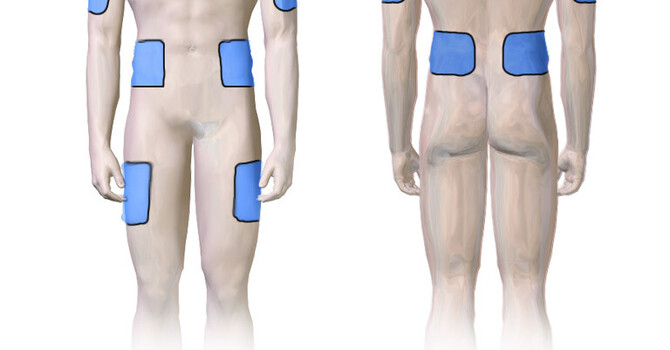
Treatment is given through small daily injections beneath the skin.
Growth hormone acts by stimulating the liver and other tissues to produce Low IGF-1 levels back toward normal, increasing growth plate activity and promoting new bone formation.
When prescribed appropriately, therapy can substantially improve growth velocity in qualifying children.
How Growth Hormone Actually Works
Growth hormone influences nearly every stage of linear growth.
After injection, it stimulates production of insulin-like growth factor-1 (IGF-1), one of the body's primary growth-promoting molecules.
Together, GH and IGF-1 help:
- Stimulate cartilage cells inside growth plates
- Increase bone length
- Improve protein synthesis
- Support lean muscle development
- Enhance normal childhood growth
This process differs entirely from nutritional therapy.
Nutrition provides the building materials.
Growth hormone provides one of the biological signals directing those materials toward skeletal growth.
Who Qualifies for Growth Hormone Therapy?
Growth hormone treatment is carefully regulated and is not intended simply because a child is shorter than classmates.
Instead, physicians determine whether the child meets established medical criteria.
Conditions that may qualify include:
- Growth Hormone Deficiency
- Idiopathic Short Stature
- Turner Syndrome
- Small for Gestational Age
- Chronic kidney disease
- Prader-Willi syndrome
- Selected additional pediatric conditions approved under established clinical guidelines
Every child considered for treatment undergoes careful evaluation before therapy is recommended.
Why Proper Diagnosis Comes Before Treatment
Perhaps the biggest mistake families can make is choosing a treatment before understanding the diagnosis.
A child whose poor growth is caused by inadequate nutrition may improve dramatically without hormone therapy.
Conversely, a child with true growth hormone deficiency cannot simply "eat their way" into normal growth.
This is why pediatric growth specialists combine:
- Growth charts
- Family history
- Nutritional assessment
- Physical examination
- Laboratory studies
- bone age assessment
- Hormone testing when appropriate
Only after understanding the underlying cause can physicians recommend the most appropriate treatment strategy.
Can Nutrition and Growth Hormone Therapy Be Used Together?
One of the biggest misconceptions is that parents must choose either nutritional therapy or growth hormone treatment.
In reality, these approaches often complement one another.
Children receiving growth hormone therapy still require excellent nutrition to support the increased demands of faster growth.
Without adequate calories, protein, vitamins, and minerals, the body cannot fully respond to growth-promoting hormones.
Think of it this way:
- Nutrition supplies the raw materials.
- Growth hormone provides one of the biological signals directing growth.
- Healthy sleep supports natural hormone release.
- Physical activity strengthens developing bones and muscles.
When all of these factors work together, children have the best opportunity to reach their genetic height potential.
What Happens During a Pediatric Growth Evaluation?
Because many conditions can cause slow growth, pediatric specialists evaluate much more than height alone.
A comprehensive assessment typically includes several components designed to identify the true reason for a child's growth pattern.
Growth History
One of the most valuable pieces of information is a child's long-term growth chart.
Doctors evaluate:
- Current height percentile
- Previous height measurements
- Annual growth velocity
- Weight trends
- Body mass index (BMI)
A child who consistently follows the same growth curve is very different from one whose height percentile gradually declines.
Medical History
A detailed medical history helps identify conditions that may interfere with normal growth.
Topics often include:
- Pregnancy and birth history
- Prematurity
- Birth weight
- Developmental milestones
- Chronic illnesses
- Medications
- Gastrointestinal symptoms
- Appetite
- Sleep quality
- Family history of growth disorders
This information frequently provides clues that laboratory testing alone cannot.
Physical Examination
The examination evaluates much more than stature.
Physicians assess:
- Body proportions
- Pubertal development
- Signs of chronic illness
- Nutritional status
- Skeletal abnormalities
- Dysmorphic features
- Muscle development
These findings help narrow the possible causes of poor growth.
Laboratory Testing
Blood work may be recommended when a child's history or examination suggests an underlying medical problem.
Testing may include evaluation of:
- Low IGF-1
- Thyroid hormones
- Complete blood count
- Comprehensive metabolic panel
- Iron status
- Vitamin D
- Inflammatory markers
- Celiac screening
Laboratory testing helps determine whether poor growth results from nutritional deficiencies, chronic disease, or endocrine disorders.
Why Bone Age Is So Important
One of the most informative tests during a growth evaluation is a bone age test for child height.
This simple X-ray compares skeletal maturity to the child's chronological age.
Bone age can help distinguish among several common causes of short stature.
For example:
Children With Nutritional Deficiencies
Bone age may be mildly delayed if chronic undernutrition has affected skeletal development.
Children With Constitutional Growth Delay
Bone age is frequently delayed, suggesting additional time remains for future growth.
Children With Familial Short Stature
Bone age usually matches chronological age because skeletal maturation is occurring normally.
Children With Endocrine Disorders
Bone age findings vary depending on the underlying diagnosis and often help guide further evaluation.
Growth Hormone Stimulation Testing
If laboratory studies suggest hormone deficiency, physicians may recommend a child growth hormone testing process using stimulation testing.
Unlike routine blood work, growth hormone secretion cannot be accurately assessed with a single random blood sample because the hormone is released in pulses throughout the day.
During stimulation testing, medications encourage the pituitary gland to release growth hormone while multiple blood samples are collected over several hours.
This testing helps determine whether the pituitary gland produces adequate amounts of growth hormone.
Only children meeting established diagnostic criteria are considered candidates for treatment.
How Quickly Do Results Appear?
Nutritional Therapy
Children whose growth has been limited by inadequate nutrition often begin showing improvement over several months after deficiencies are corrected.
Progress depends upon:
- Severity of deficiency
- Age
- Underlying health
- Treatment adherence
Weight gain generally occurs before noticeable increases in height velocity.
Growth Hormone Therapy
When medically indicated, growth hormone therapy timeline in children often follows a predictable pattern.
Many children experience:
- Increased growth velocity during the first year
- Improved lean muscle development
- Better growth chart progression
- Continued gains over several years until growth plates close
The greatest response frequently occurs during the first 12 months of therapy, although individual results vary.
Can Supplements Replace Growth Hormone?
Parents frequently ask whether vitamins, herbal products, amino acids, or over-the-counter supplements can replace prescription growth hormone.
Current scientific evidence does not support supplements as substitutes for medically indicated growth hormone therapy.
While correcting nutrient deficiencies is important, supplements cannot replace missing growth hormone in children with confirmed deficiency.
Families should be cautious of products claiming to dramatically increase height without scientific evidence.
The Importance of Healthy Sleep
Whether a child receives nutritional therapy, growth hormone treatment, or neither, healthy sleep remains essential.
Most natural growth hormone secretion occurs during deep sleep.
Children should maintain:
- Consistent bedtime routines
- Age-appropriate sleep duration
- Limited evening screen exposure
- Healthy sleep environments
Optimizing sleep supports normal hormone production and overall health.
Physical Activity and Growth
Exercise also plays an important supportive role.
Regular activity promotes:
- Strong bones
- Healthy muscles
- Good cardiovascular health
- Weight management
- Overall well-being
While no exercise program can dramatically increase adult height, maintaining an active lifestyle helps children maximize normal development.
When Should Parents Seek Further Evaluation?
Parents should schedule a comprehensive pediatric growth assessment if their child:
- Falls below the 3rd percentile for height.
- Crosses downward through multiple growth percentiles.
- Grows less than expected each year.
- Shows delayed or early puberty.
- Has chronic gastrointestinal symptoms.
- Has unexplained weight loss.
- Has abnormal laboratory results.
- Has a family history that does not explain current growth.
Early evaluation often identifies treatable conditions before significant growth potential is lost.
Frequently Asked Questions
Is nutrition always tried before growth hormone therapy?
Not necessarily, but nutritional assessment is almost always part of the initial evaluation. If a nutritional deficiency is contributing to poor growth, correcting it is an essential first step. However, children with confirmed hormone deficiencies may require medical treatment regardless of nutritional status.
Can eating more protein make my child taller?
Adequate protein supports healthy growth, but increasing protein beyond normal requirements does not usually increase adult height in otherwise healthy children.
Can growth hormone therapy work without good nutrition?
Children receiving growth hormone therapy still require balanced nutrition to achieve the best possible response. Poor nutrition may limit growth even during treatment.
Does every short child need growth hormone testing?
No. Growth hormone testing is reserved for children whose history, growth pattern, examination, and initial laboratory evaluation suggest possible hormone deficiency.
Can nutrition improve growth velocity?
Yes. Children whose slow growth results from inadequate calorie intake, poor protein consumption, vitamin deficiencies, or malabsorption often experience improved growth after nutritional problems are corrected.
A Personalized Approach Leads to the Best Outcomes
Choosing between nutritional therapy and growth hormone treatment is rarely a simple decision because these therapies serve different purposes.
Nutritional therapy removes barriers that prevent healthy growth, while growth hormone therapy treats specific medical conditions affecting hormone production and growth plate activity.
The most successful treatment plans begin with an accurate diagnosis rather than assumptions based solely on a child's height.
At HGH for Children, every child receives an individualized evaluation that considers nutrition, genetics, hormone function, growth velocity, laboratory findings, bone age, and overall health. This comprehensive approach helps families understand why growth is slowing and whether lifestyle changes, nutritional optimization, ongoing monitoring, or medical therapy is the most appropriate next step.
Our goal is always the same: helping every child safely reach their full genetic growth potential through evidence-based, compassionate care.
Medically Reviewed By
Dr. Devin Stone, ND
Dr. Devin Stone is a Doctor of Naturopathic Medicine and founder of HGHforChildren.com. His clinical focus includes pediatric growth optimization, growth hormone deficiency, delayed bone age assessment, constitutional growth delay, IGF-1 evaluation, and evidence-informed therapies designed to help children maximize healthy growth potential.
References
- American Academy of Pediatrics. Evaluation of Short Stature in Children.
- Pediatric Endocrine Society. Clinical Resources on Growth Disorders.
- Growth Hormone Research Society. Consensus Guidelines for Growth Hormone Therapy.
- Endocrine Society Clinical Practice Guidelines.
- National Institute of Diabetes and Digestive and Kidney Diseases (NIDDK). Growth Disorders in Children.
- National Institutes of Health (NIH). Nutrition and Childhood Growth.
- Hormone Research in Paediatrics. Evaluation and Management of Pediatric Short Stature.
Devin Stone
Contact Me