Parents naturally pay close attention to any new symptoms after their child begins treatment. One concern that occasionally arises is headaches. Families often search headaches during growth hormone therapy in a child to determine whether headaches are a normal adjustment to treatment or a sign that something more serious may be occurring.
The reassuring news is that most headaches reported during growth hormone therapy are mild, temporary, and resolve without long-term issues. However, certain headache patterns deserve prompt medical attention.
Understanding the difference can help parents feel confident about when to monitor symptoms at home and when to contact their healthcare provider.
Can Growth Hormone Therapy Cause Headaches?
Yes, headaches can occur during growth hormone therapy.
However, not every headache that develops during treatment is caused by the medication itself.
Children commonly experience headaches for many reasons, including:
- Dehydration
- Illness
- Stress
- Poor sleep
- Eye strain
- Seasonal allergies
When headaches occur shortly after starting treatment, providers evaluate whether they may be related to the body's adjustment to changing hormone levels.
In most cases, symptoms are mild and improve over time.
Why Headaches Sometimes Occur During Treatment
Growth hormone affects multiple body systems.
As treatment begins, the body adapts to:
- Increased growth signaling
- Changes in metabolism
- Alterations in fluid balance
- Accelerated tissue development
These normal physiologic changes can occasionally contribute to temporary headaches.
Some common reasons include:
Fluid Retention
Growth hormone can influence how the body regulates fluids.
Mild fluid shifts may contribute to headaches early in therapy.
Sleep Changes
Growth hormone activity is closely tied to sleep.
Some children experience temporary changes in sleep patterns as treatment begins.
Rapid Growth Adjustments
Children entering periods of increased growth velocity may experience temporary symptoms as their bodies adapt.
Metabolic Adaptation
The body undergoes numerous metabolic changes during treatment, which is one reason providers routinely perform growth hormone monitoring labs.
What Do Typical Treatment-Related Headaches Feel Like?
Most mild treatment-related headaches have several characteristics.
They are usually:
- Mild to moderate
- Intermittent
- Short-lived
- More common during the first weeks of therapy
- Improved with hydration and rest
Many children experience headaches that gradually resolve as their bodies adapt to treatment.
Parents often find that symptoms improve without requiring significant intervention.
When Headaches Are Usually Not Concerning
In many situations, headaches are simply part of a temporary adjustment period.
Parents can generally continue monitoring at home when headaches are:
- Mild
- Infrequent
- Improving over time
- Not associated with other symptoms
- Responsive to rest and hydration
Providers may recommend continued observation and routine follow-up.
When Parents Should Contact Their Provider
Although most headaches are not dangerous, certain symptoms deserve medical attention.
Parents should contact their healthcare team if headaches become:
Persistent
Headaches that continue for days or weeks should be discussed.
Progressively Worse
Symptoms that intensify rather than improve require evaluation.
Severe
Significant pain that interferes with school, sports, or normal activities should not be ignored.
Recurrent Morning Headaches
Headaches that occur repeatedly upon waking deserve prompt review.
Associated With Additional Symptoms
Parents should report headaches accompanied by:
- Nausea
- Vomiting
- Vision changes
- Dizziness
- Balance problems
These symptoms are uncommon but important to evaluate.
Understanding Intracranial Hypertension
One reason providers take persistent headaches seriously is a rare condition called intracranial hypertension.
Families researching growth hormone therapy brain pressure symptoms often encounter information about this complication.
What Is Intracranial Hypertension?
Intracranial hypertension refers to increased pressure within the fluid surrounding the brain.
Although rare, it has been reported during growth hormone therapy.
Symptoms May Include
- Persistent headaches
- Blurred vision
- Double vision
- Nausea
- Vomiting
- Pain behind the eyes
Fortunately, this condition is uncommon and is usually reversible when recognized early.
How Providers Evaluate Headaches
When a child reports headaches, providers consider several factors.
Timing
Did symptoms begin shortly after treatment started?
Frequency
Are headaches occasional or occurring daily?
Severity
Are symptoms mild or significantly disruptive?
Associated Symptoms
Are vision changes, nausea, or vomiting present?
Growth and Development
Providers review overall treatment response, including:
- Growth velocity
- Hormone levels
- Developmental progression
Children receiving treatment for growth hormone deficiency or low IGF-1 may already have scheduled follow-up visits that provide opportunities for evaluation.
Why Monitoring Is Important
Regular follow-up visits play a major role in treatment safety.
Monitoring helps providers identify concerns before they become serious.
Children receiving therapy often undergo:
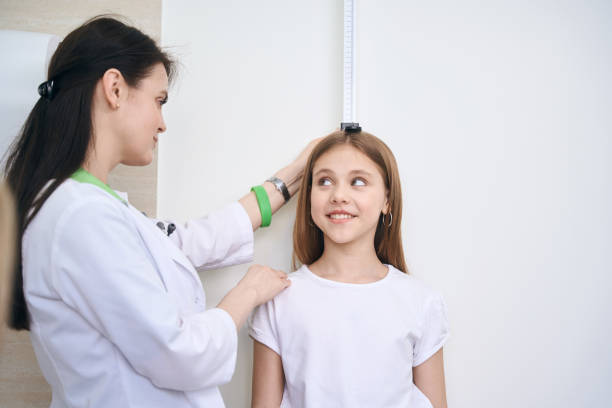
Growth Tracking
Children with poor growth velocity are monitored closely to ensure treatment effectiveness.
Laboratory Testing
Routine growth hormone monitoring labs help evaluate treatment response and overall health.
Bone Age Assessment
A bone age assessment may be performed periodically to monitor skeletal development.
Developmental Monitoring
Providers assess growth, puberty progression, and overall well-being throughout treatment.
What Happens If Headaches Are Related to Treatment?
If providers believe headaches may be connected to therapy, several options exist.
Dose Adjustment
A small change in dosing may improve symptoms.
Temporary Pause
In some situations, treatment may be briefly paused.
Additional Evaluation
Eye examinations or further testing may be recommended.
Careful Restart
If symptoms resolve, therapy can often be resumed under close supervision.
Most children continue treatment successfully after appropriate evaluation.
Are Headaches More Common With HGH or Sermorelin?
Parents comparing therapies often ask whether headaches occur more frequently with one treatment versus another.
Both therapies can occasionally cause headaches.
Children using sermorelin for children may experience temporary adjustment symptoms similar to those seen with growth hormone therapy.
Because sermorelin stimulates the body's natural hormone production rather than replacing hormone directly, some families perceive it differently, but both treatments require monitoring and follow-up.
Other Factors That Can Contribute to Headaches
Not every headache during therapy is treatment-related.
Other contributors may include:
Puberty
Families often ask does HGH affect puberty timing, but puberty itself can influence headaches due to normal hormonal fluctuations.
Growth Spurts
Periods of rapid growth can be physically demanding.
Dehydration
Growing children often require increased fluid intake.
Sleep Deprivation
Insufficient sleep remains one of the most common causes of headaches in children.
Stress
School, sports, and social pressures can all contribute.
Questions Parents Should Ask
During a child height specialist consultation, parents may want to discuss:
- What symptoms should be reported immediately?
- How common are headaches during treatment?
- When should an eye exam be considered?
- Could the dosage need adjustment?
- What monitoring schedule is recommended?
Having a plan in place can reduce anxiety if symptoms occur.
Frequently Asked Questions
Are headaches common during growth hormone therapy?
Mild headaches occasionally occur, especially early in treatment.
Should I stop treatment if my child develops a headache?
Not necessarily. Contact your provider for guidance before making changes.
What headache symptoms are concerning?
Persistent headaches, vision changes, nausea, vomiting, or severe pain should be evaluated promptly.
Can growth hormone cause brain pressure problems?
Rarely. This is why providers monitor children carefully and evaluate concerning symptoms quickly.
Do headaches mean treatment is unsafe?
No. Most headaches are mild and temporary, and many children continue therapy without difficulty.
The Bottom Line
Experiencing headaches during growth hormone therapy in a child can be concerning, but most headaches are mild, temporary, and resolve as the body adjusts to treatment.
Parents should monitor symptoms carefully and maintain regular follow-up appointments, including growth hormone monitoring labs, growth assessments, and developmental evaluations.
Persistent headaches, worsening symptoms, vision changes, nausea, or vomiting should always be reported promptly, as they may require additional evaluation.
Whether a child is receiving treatment for growth hormone deficiency, low IGF-1, constitutional growth delay, or other growth-related conditions, open communication with the care team helps ensure treatment remains both safe and effective.
Early reporting and appropriate monitoring allow most children to continue therapy comfortably while progressing toward their natural height potential.
Medically Reviewed By
Dr. Devin Stone, ND
Dr. Devin Stone is a Doctor of Naturopathic Medicine and founder of HGHforChildren.com. His clinical focus includes pediatric growth optimization, growth hormone deficiency, delayed bone age assessment, constitutional growth delay, IGF-1 evaluation, and evidence-informed therapies designed to help children maximize healthy growth potential.
References
- Pediatric Endocrine Society. Growth Hormone Treatment Guidelines.
- Growth Hormone Research Society Consensus Statement.
- Endocrine Society Clinical Practice Guidelines.
- National Institutes of Health (NIH).
- Hormone Research in Paediatrics.
- National Institute of Diabetes and Digestive and Kidney Diseases (NIDDK).
- American Academy of Pediatrics. Pediatric Endocrine Disorders.
- Grimberg A, et al. Guidelines for Growth Hormone and IGF-1 Treatment in Children and Adolescents.