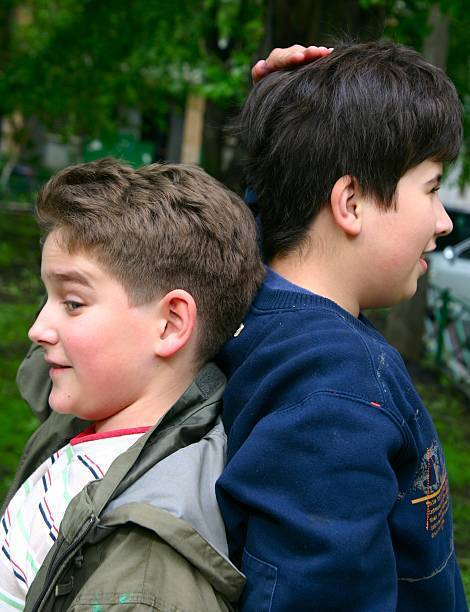
When parents begin searching about HGH for 10 year old behind peers height, it is usually because they have noticed their child consistently appearing smaller than classmates. By age ten, differences in height can become more noticeable as some children begin early stages of puberty while others continue growing at a slower pace. This can make parents wonder whether their child will eventually catch up or if something may be affecting their growth.
While many children who are shorter than peers are simply developing at their own pace, persistent slow growth or falling height percentiles may signal that a deeper evaluation could be helpful. The encouraging news is that when growth concerns are identified during late childhood, there is often still significant time to support healthier growth patterns before puberty progresses.
What Is Considered Short for a 10 Year Old?
Pediatricians track children’s height using standardized growth charts, which compare a child’s measurements with others of the same age and sex.
A child may be considered significantly short when they:
-
Fall below the 5th percentile for height
-
Grow less than about 2 inches per year
-
Gradually drop percentiles over several years
-
Appear much smaller than classmates of the same age
-
Have a predicted adult height far below family patterns
At age ten, children are approaching the years when puberty will begin to influence growth. For this reason, understanding a child’s growth pattern at this stage can be particularly important.
Why Some 10 Year Olds Fall Behind Their Peers in Height
Children can fall behind peers in height for several different reasons. In some cases, it is simply a matter of developmental timing.
Some children—especially boys—experience what doctors call constitutional growth delay, meaning they grow later than their peers but eventually catch up during adolescence.
However, other factors may also contribute to slower growth, including:
-
Growth hormone deficiency
-
Idiopathic short stature
-
Delayed bone age
-
Genetic growth patterns
-
Chronic medical conditions
-
Nutritional deficiencies
Determining which factor may be influencing a child’s growth requires a careful evaluation of their growth history and overall health.
The Role of Human Growth Hormone (HGH)
Human growth hormone (HGH) is produced by the pituitary gland, a small gland located at the base of the brain. This hormone plays a critical role in childhood development by stimulating bone growth and regulating metabolism.
HGH works by activating the growth plates in bones, which are areas of cartilage that allow bones to lengthen throughout childhood and adolescence.
When HGH levels are sufficient, children grow along predictable curves on growth charts. If hormone levels are too low, the signals that stimulate bone growth may weaken, leading to slower height increases.
This is why doctors sometimes evaluate hormone levels when a child’s growth pattern begins to fall behind.
Can HGH Help a 10 Year Old Who Is Behind Peers?
Growth hormone therapy may be recommended when medical evaluation shows that a child’s slow growth is related to growth hormone deficiency or certain growth-related conditions.
Growth hormone therapy works by supplementing the hormone responsible for stimulating bone growth. When prescribed and monitored carefully, treatment may help children:
-
Increase their growth velocity
-
Improve their height percentile
-
Move closer to their genetic height potential
At age ten, many children still have several years of growth remaining before their growth plates close. This means that identifying growth issues during this stage can sometimes allow more time to support height development.
How Doctors Evaluate Growth in a 10 Year Old
Before recommending treatment, physicians typically conduct a comprehensive growth evaluation.
This evaluation often includes:
-
Detailed growth chart analysis
-
Measurement of growth velocity
-
Bone age imaging to evaluate skeletal maturity
-
Review of family height patterns
-
Hormone testing when necessary
-
Predicted adult height calculations
Looking at these factors together helps physicians understand whether a child’s growth pattern falls within normal variation or whether additional support may help improve their growth trajectory.
Why Timing Matters Before Puberty
One of the most important reasons to evaluate growth around age ten is that puberty will soon begin to influence height development.
During puberty, children experience a rapid growth spurt. However, the hormonal changes of puberty also eventually cause growth plates to close.
Once growth plates close, the body can no longer grow taller.
For this reason, identifying growth concerns before puberty progresses can provide more opportunity to support a child’s growth while these plates are still open.
Parents who notice their child consistently falling behind peers often find reassurance in seeking expert guidance sooner rather than later.
Through specialized consultations focused on pediatric growth concerns, families can review growth charts, discuss developmental patterns, and determine whether further testing or treatment may be beneficial.
Supporting Growth and Confidence
Height differences during late childhood can sometimes affect how children feel about themselves. Children who are significantly smaller than classmates may feel hesitant to participate in sports or group activities.
Addressing growth concerns early can help children feel more confident and engaged as they approach adolescence. As growth improves, many children experience greater comfort and confidence in social and physical activities.
Growth care is about more than adding inches—it’s about helping children feel capable, confident, and fully involved in the world around them.
A Positive Outlook for Parents
For parents researching HGH for 10 year old behind peers height, the most important step is gaining a clear understanding of their child’s growth pattern.
Modern pediatric growth evaluation provides tools to identify the reasons behind slow growth and develop personalized strategies to support healthier development.
With early assessment and thoughtful guidance, many children who fall behind peers in height can improve their growth trajectory and move toward a healthier, more confident future.
Medically Reviewed By
Dr. Devin Stone, ND
Dr. Devin Stone, ND is a licensed naturopathic doctor and founder of HGHforChildren.com. He specializes in pediatric growth evaluation, short stature assessment, delayed puberty, bone age analysis, growth hormone deficiency screening, and growth optimization programs for children and adolescents.
Dr. Stone earned his degree from Bastyr University and has helped families nationwide better understand growth concerns through evidence-based evaluation and personalized treatment planning. His clinical focus includes growth hormone testing, IGF-1 interpretation, bone age assessment, pediatric endocrinology support, and growth-promoting interventions when medically appropriate.
Through HGHforChildren.com, Dr. Stone educates parents on childhood growth disorders, height prediction, growth velocity monitoring, and treatment options for children who may not be reaching their growth potential.
Learn more about Dr. Stone and schedule a consultation with our pediatric growth team.
Devin Stone
Contact Me