Parents often focus on height gains when considering treatment, but many also wonder whether therapy can affect emotions, mood, or personality. This concern leads families to search HGH therapy child behavioral changes to better understand what to expect.
The reassuring news is that growth hormone therapy is not considered a psychiatric or behavioral medication. Growth hormone primarily affects:
- Growth
- Bone development
- Body composition
- Energy metabolism
- Sleep quality
It does not directly change a child's personality.
However, some parents do notice emotional or behavioral differences during treatment. In most cases, these changes are related to improvements in sleep, energy, confidence, or physical well-being rather than a direct effect of the medication itself.
Understanding the difference can help families recognize what is normal, what is expected, and when it may be appropriate to discuss concerns with a provider.
Does HGH Directly Affect Personality?
One of the biggest misconceptions surrounding HGH for children to grow taller is that treatment changes who a child is.
Current medical evidence does not suggest that growth hormone therapy alters personality traits.
Children generally remain:
- The same person
- The same temperament
- The same emotional style
What often changes is how they feel physically.
As physical health improves, emotional well-being may improve as well.
This can sometimes make it seem as though the medication changed behavior when the real cause is improved quality of life.
Why Parents Sometimes Notice Behavioral Changes
Growth hormone influences several physiologic systems that affect day-to-day functioning.
These include:
Sleep Quality
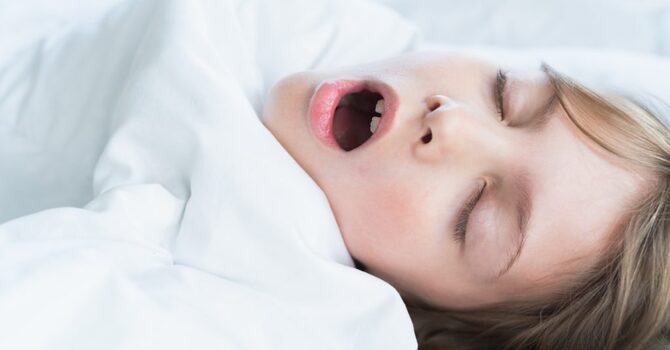
Growth hormone release is closely linked to sleep.
Many children experience better sleep patterns as treatment progresses.
Improved sleep can lead to:
- Better focus
- More stable moods
- Improved attention
- Less irritability
This is one reason specialists evaluate sleep habits during a pediatric growth evaluation appointment.
Energy Levels
Children with growth hormone deficiency may have lower energy than expected for their age.
As hormone levels normalize, parents sometimes notice:
- Greater activity
- Increased participation
- Improved stamina
- Better engagement in sports and play
Physical Comfort
Children who feel physically stronger and healthier may naturally become more socially engaged.
Self-Confidence
Many children become more confident as growth improves.
This can be especially noticeable in children with:
- idiopathic short stature
- poor growth velocity
- significant height differences compared with peers
Positive Behavioral Changes Parents Commonly Report
Most changes reported by families tend to be positive.
These improvements usually occur gradually over months rather than days.
Better Mood Stability
Children who sleep better often experience more consistent moods.
Increased Participation
Parents frequently report that children become more willing to join activities.
Improved Confidence
Growth improvements can positively influence self-esteem.
This is particularly true when a child has struggled with being significantly smaller than classmates.
Better Focus and Attention
Improved sleep and energy can support concentration and school performance.
Greater Social Engagement
Some children become more comfortable participating in peer activities.
These changes are generally viewed as secondary benefits of improved health rather than direct medication effects.
Why Growth and Emotional Well-Being Are Connected
Children do not experience physical growth in isolation.
Growth affects:
- Self-image
- Social interactions
- Confidence
- Physical activity
- Peer relationships
A child receiving treatment for growth hormone deficiency or low IGF-1 may feel more physically capable as development progresses.
Similarly, children with constitutional growth delay or delayed puberty sometimes experience emotional stress related to being physically behind peers.
When growth begins to normalize, emotional well-being may improve naturally.
Temporary Adjustment Behaviors During Treatment
Some children experience temporary adjustment-related behaviors during the first weeks or months of therapy.
These are usually mild and self-limited.
Increased Hunger
Growth requires energy.
As growth accelerates, some children notice increased appetite.
Mild Restlessness
Occasionally, families report temporary changes in bedtime routines as children adjust.
Increased Awareness of Growth
Children may become more focused on their height or development after beginning treatment.
Occasional Irritability
Any significant physical change can occasionally influence mood temporarily.
Most of these adjustments improve without intervention.
What About Children With Delayed Growth Conditions?
Behavioral changes may be more noticeable in children who have struggled with growth-related challenges.
For example:
Growth Hormone Deficiency
Children with growth hormone deficiency sometimes experience improvements in energy and participation.
Low IGF-1
Children with low IGF-1 may notice changes in physical stamina as growth signaling improves.
Pituitary Disorders
Certain pituitary disorders affect multiple hormones and may influence overall well-being.
Constitutional Growth Delay
Children with constitutional growth delay often gain confidence as development progresses.
Delayed Puberty
Children with delayed puberty may experience emotional benefits as physical development catches up with peers.
Why Monitoring Includes More Than Height
Modern pediatric growth care focuses on the whole child.
During follow-up visits, providers assess:
- Growth trends
- Energy levels
- Sleep quality
- Social development
- Emotional well-being
This comprehensive approach helps ensure treatment remains supportive and appropriate.
Specialists frequently monitor:
Growth Velocity
Changes in poor growth velocity help determine whether treatment is effective.
Skeletal Development
A bone age assessment helps evaluate maturation and remaining growth potential.
Children with delayed bone age often have more growth remaining than parents expect.
Hormone Levels
Monitoring helps ensure therapy remains within safe physiologic ranges.
When Parents Should Contact Their Provider
Most behavioral changes during treatment are mild and positive.
However, parents should discuss concerns if they notice:
Persistent Mood Swings
Significant emotional changes deserve evaluation.
Ongoing Sleep Problems
Sleep disruption should be reported.
Frequent Headaches
Persistent headaches may warrant further assessment.
Behavioral Changes Affecting Daily Life
Any concerning change that interferes with school, relationships, or normal functioning should be discussed.
Parents who have questions about safety often ask:
Fortunately, appropriate monitoring helps minimize these concerns.
Understanding Expectations Before Treatment
Families considering therapy often discuss expectations during a child height specialist consultation.
Providers explain:
- Expected growth outcomes
- Monitoring requirements
- Potential side effects
- Emotional and developmental considerations
They also review whether the child meets growth hormone therapy medical necessity criteria before treatment begins.
This helps ensure families have realistic expectations and understand the full treatment process.
Frequently Asked Questions
Does HGH change a child's personality?
No. Growth hormone therapy is not known to change personality traits.
Why does my child seem happier after starting treatment?
Improved sleep, energy, confidence, and physical well-being often contribute to positive emotional changes.
Can growth hormone cause mood swings?
Persistent mood changes are uncommon and should be discussed with a provider if they occur.
Is confidence improvement common?
Yes. Many children feel more comfortable socially as growth and development improve.
How is emotional health monitored during treatment?
Providers assess overall well-being during follow-up visits in addition to monitoring growth.
The Bottom Line
When parents search HGH therapy child behavioral changes, they are often worried that treatment might alter personality or emotional health.
Fortunately, growth hormone therapy primarily affects physical development rather than personality.
Most changes families notice are related to improvements in sleep, energy, confidence, and overall well-being.
Children receiving treatment for growth hormone deficiency, low IGF-1, pituitary disorders, idiopathic short stature, constitutional growth delay, or delayed puberty often experience positive developmental changes as growth normalizes.
Through ongoing monitoring of poor growth velocity, hormone levels, and bone age assessment findings, providers help ensure treatment supports both healthy growth and overall well-being while helping children reach their natural growth potential.
Medically Reviewed By
Dr. Devin Stone, ND
Dr. Devin Stone is a Doctor of Naturopathic Medicine and founder of HGHforChildren.com. His clinical focus includes pediatric growth optimization, growth hormone deficiency, delayed bone age assessment, constitutional growth delay, IGF-1 evaluation, and evidence-informed therapies designed to help children maximize healthy growth potential.
References
- Pediatric Endocrine Society. Growth Hormone Treatment Resources.
- Growth Hormone Research Society Consensus Guidelines.
- Endocrine Society Clinical Practice Guidelines.
- National Institute of Diabetes and Digestive and Kidney Diseases (NIDDK).
- Hormone Research in Paediatrics.
- American Academy of Pediatrics. Child Development and Endocrine Disorders.
- National Institutes of Health (NIH). Human Growth Hormone Information.
- Grimberg A, et al. Guidelines for Growth Hormone and IGF-1 Treatment in Children and Adolescents.
Devin Stone
Contact Me