Hearing that your child is significantly shorter than expected can be frustrating and confusing—especially when all of their medical testing comes back normal.
Many parents spend years searching for answers. Blood work is normal. Nutrition is adequate. There are no chronic illnesses. Yet their child continues falling behind classmates in height and appears unlikely to reach the height predicted by family genetics.
In these situations, a pediatric endocrinologist may diagnose idiopathic short stature (ISS).
After receiving this diagnosis, one of the first questions families ask is whether HGH treatment for idiopathic short stature can help.
The answer is sometimes yes—but understanding who qualifies, how treatment works, and what outcomes are realistic is essential before making a decision.
This guide explains everything parents should know about HGH therapy for idiopathic short stature, including eligibility, effectiveness, safety, timing, and long-term expectations.
What Is Idiopathic Short Stature?
Idiopathic short stature (ISS) is a diagnosis used when a child is significantly shorter than expected, but no identifiable medical cause can be found.
The word "idiopathic" simply means the exact cause is unknown.
Children with ISS generally have:
- Height significantly below average
- Normal nutrition
- Normal thyroid function
- Normal growth hormone testing
- No chronic disease
- No major genetic syndrome affecting growth
- Predicted adult height below family expectations
Unlike children with growth hormone deficiency, children with ISS usually produce growth hormone within the normal range.
However, their growth remains substantially below expected levels.
How Common Is Idiopathic Short Stature?
ISS is one of the most common reasons children are referred to pediatric endocrinologists for evaluation.
Many parents first become concerned when:
- Their child is the shortest in class
- Growth slows compared to peers
- Clothing sizes lag behind age expectations
- Height falls below family patterns
A child may be completely healthy but still remain significantly shorter than expected.
This distinction is important because treatment decisions are different than they are for children with hormone deficiencies or chronic illness.
How Is Idiopathic Short Stature Diagnosed?
ISS is often considered a diagnosis of exclusion.
This means doctors first rule out other conditions that can cause poor growth.
The evaluation typically includes:
Growth Chart Analysis
Physicians review years of height measurements.
Patterns that raise concern include:
- Falling percentiles
- Significant height deficits
- Slowed growth over time
- Predicted adult height below family expectations
Many children evaluated for ISS initially present with poor growth velocity, meaning they are growing slower than expected for age.
Blood Testing
Laboratory testing commonly evaluates:
- Thyroid function
- IGF-1 levels
- Nutritional markers
- Metabolic health
- Inflammatory markers
Children with low IGF-1 levels may require additional endocrine testing before ISS can be confirmed.
Bone Age Assessment
A bone age X-ray is one of the most important tools in growth evaluation.
Children with a delayed bone age may have additional growth potential remaining compared to their chronological age.
This information helps physicians estimate:
- Remaining growth time
- Predicted adult height
- Potential treatment benefit
Growth Hormone Testing
Children suspected of ISS often undergo testing to determine whether growth hormone deficiency is present.
Normal growth hormone production is one of the key features distinguishing ISS from true hormone deficiency.
Puberty Evaluation
Because puberty significantly influences final height, specialists carefully assess pubertal development.
Children with delayed puberty may experience different growth patterns than children whose puberty begins on schedule.
Why Can a Child Be Short If Growth Hormone Levels Are Normal?
This is one of the most common questions parents ask.
If hormone levels are normal, why is growth still limited?
The answer is that growth involves much more than hormone production alone.
Normal height development depends on:
- Growth hormone release
- IGF-1 production
- Growth plate responsiveness
- Genetics
- Bone maturation
- Nutrition
- Puberty timing
Some children appear less sensitive to natural growth signals even though laboratory testing looks normal.
As a result, their growth rate remains below expected levels.
This is one reason HGH therapy may sometimes be considered for ISS.
Why Is HGH Used for Idiopathic Short Stature?
Growth hormone treatment increases the amount of growth stimulation reaching the growth plates.
Even when hormone production is technically normal, additional hormone exposure may help support improved growth.
The objective is not to create excessive height.
Instead, treatment aims to help a child move closer to the height range predicted by family genetics.
For appropriately selected children, HGH may:
- Increase yearly growth rate
- Improve height percentile
- Enhance predicted adult height
- Improve long-term growth outcomes
How HGH Therapy Works
Growth hormone acts primarily by stimulating the production of IGF-1.
IGF-1 then promotes growth within the long bones.
The treatment process typically involves:
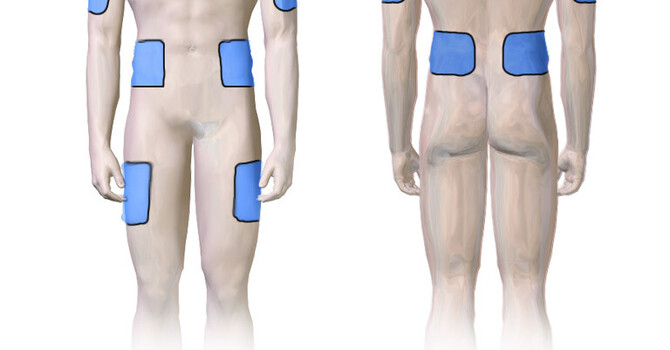
- Daily injections
- Home administration
- Evening dosing
- Regular physician monitoring
Modern injection devices are designed to minimize discomfort and are generally well tolerated by children.
Most families become comfortable administering treatment within a short period.
How Much Height Can HGH Add in Idiopathic Short Stature?
One of the biggest misconceptions is that HGH produces a guaranteed number of inches.
Unfortunately, no physician can predict an exact outcome.
Results vary significantly between children.
Factors influencing response include:
Age at Treatment Start
Earlier treatment generally produces better results.
Children who begin therapy younger often have:
- More growth years remaining
- More open growth plates
- Greater cumulative height gains
Bone Age
Children with delayed skeletal maturation frequently have more remaining growth potential.
Puberty Timing
Puberty accelerates growth plate maturation.
Once growth plates begin closing, height gains become more limited.
Treatment Consistency
Regular treatment supports better outcomes than inconsistent dosing.
Individual Sensitivity
Each child's body responds differently to hormone stimulation.
Some children experience dramatic improvements, while others see more modest gains.
Why Earlier Evaluation Creates More Opportunity
One of the most important concepts parents should understand is that growth potential decreases over time.
Growth occurs only while growth plates remain open.
As puberty progresses:
- Bone maturation accelerates
- Growth potential declines
- Treatment opportunities narrow
This is why early evaluation is critical.
The same child evaluated at age 8 often has more options than a child first evaluated at age 15.
Growth Plates Determine Everything
Growth plates are areas of developing cartilage located near the ends of long bones.
These structures allow bones to lengthen during childhood.
Once growth plates close:
- Height gain stops permanently
- HGH can no longer increase height
- Adult height becomes fixed
This is why doctors closely monitor bone age throughout treatment.
The amount of remaining growth plate activity often determines whether treatment can still provide meaningful benefit.
What Happens During the First Year of Treatment?
Most families begin noticing changes before final height improvements become apparent.
Common early observations include:
Increased Growth Velocity
Many children grow faster during the first year than they did before treatment.
Upward Movement on Growth Charts
Children often begin climbing percentiles.
Increased Appetite
Growth acceleration sometimes increases caloric requirements.
Improved Confidence
Some children feel encouraged as they begin growing closer to peers.
Final adult height improvements generally become evident over multiple years rather than a few months.
How Long Does Treatment Continue?
Treatment duration varies.
Most children continue therapy while:
- Growth plates remain open
- Growth velocity remains favorable
- Height potential still exists
- Benefits outweigh risks
Once growth plates close, additional treatment will not increase height.
At that point, therapy is usually discontinued.
Is HGH Safe for Children with ISS?
Growth hormone has been used in pediatric endocrinology for decades.
When prescribed appropriately and monitored by experienced providers, treatment is generally considered safe.
Monitoring often includes:
- Height measurements
- Weight tracking
- IGF-1 levels
- Bone age assessments
- Pubertal development
Potential side effects are usually uncommon and manageable when treatment is supervised properly.
HGH Versus Sermorelin for Children
Some parents researching treatment alternatives discover Sermorelin for Children.
Although both therapies involve growth pathways, they work differently.
HGH provides growth hormone directly.
Sermorelin stimulates the pituitary gland to produce more of its own growth hormone.
Treatment selection depends on:
- Diagnosis
- Hormone testing
- Growth potential
- Physician recommendations
For some children, direct HGH replacement may be preferred, while others may be candidates for alternative approaches.
When Parents Should Consider a Growth Evaluation
Parents should consider a comprehensive evaluation if their child:
- Is significantly shorter than classmates
- Grows less than 2 inches per year after age 5
- Falls on growth charts
- Has a delayed bone age
- Has delayed puberty
- Appears unlikely to reach predicted family height
The earlier growth concerns are investigated, the greater the opportunity to identify potential treatment options.
Frequently Asked Questions
Does every child with idiopathic short stature need HGH?
No. Many children with ISS do not require treatment. Decisions depend on height severity, growth potential, predicted adult height, and family goals.
Is HGH approved for idiopathic short stature?
Yes. HGH may be prescribed for selected children who meet established criteria.
Can HGH make a child taller than their genetics allow?
No. Treatment helps children move closer to their natural height potential.
What age is best to start treatment?
Earlier treatment generally provides greater opportunity because more growth time remains.
How long do results take?
Growth velocity often improves during the first year, while adult height outcomes develop over several years.
Can HGH still work during puberty?
Yes, but benefits generally decrease as growth plates mature and begin closing.
The Bottom Line
HGH treatment for idiopathic short stature may benefit carefully selected children who are significantly shorter than expected despite otherwise normal health and hormone testing.
While treatment does not guarantee a specific number of inches, it can help improve growth velocity, increase predicted adult height, and support a child in reaching a height closer to their genetic potential.
The most important factor is timing. Early evaluation allows families to understand growth potential, assess remaining growth plate activity, and determine whether treatment options are appropriate while meaningful growth time remains.
For children with persistent short stature, a comprehensive pediatric growth evaluation can provide the answers needed to make informed decisions about treatment and long-term growth outcomes.
Medically Reviewed By
Dr. Devin Stone, ND
Dr. Devin Stone is a Doctor of Naturopathic Medicine and founder of HGHforChildren.com. His clinical focus includes pediatric growth optimization, growth hormone deficiency, delayed bone age assessment, constitutional growth delay, IGF-1 evaluation, and evidence-informed therapies designed to help children maximize healthy growth potential.
References
- Pediatric Endocrine Society. Idiopathic Short Stature Guidelines.
- Growth Hormone Research Society Consensus Statements.
- Endocrine Society Clinical Practice Guidelines.
- National Institutes of Health (NIH).
- Hormone Research in Paediatrics.
- American Academy of Pediatrics.
- National Institute of Diabetes and Digestive and Kidney Diseases (NIDDK).
Devin Stone
Contact Me