Hearing that your child may need growth hormone treatment can feel overwhelming. Parents naturally have questions about safety, effectiveness, eligibility, and whether therapy is truly necessary.
One of the most common questions families ask is:
What is human growth hormone therapy for children, and how do doctors determine if a child needs it?
Human growth hormone therapy has been used in pediatric medicine for decades and remains one of the most extensively studied treatments for childhood growth disorders. For children whose bodies are not producing enough growth hormone—or who have certain conditions affecting normal growth—therapy can significantly improve growth velocity and adult height outcomes.
However, growth hormone treatment is not designed to make children exceptionally tall. It does not override genetics or create unlimited growth potential. Instead, it helps eligible children achieve a height that is closer to what their body was naturally programmed to reach.
This guide explains how growth hormone therapy works, which children may qualify, what parents can realistically expect, and why early evaluation is often critical for success.
Understanding How Children Grow
Before discussing treatment, it's important to understand how height develops.
Children grow because long bones gradually lengthen during childhood and adolescence.
This process occurs at specialized regions called growth plates.
Growth plates remain active until the end of puberty and are influenced by several factors:
- Genetics
- Nutrition
- Hormones
- Overall health
- Skeletal maturity
- Puberty timing
Among these factors, growth hormone is one of the most important.
When growth hormone signaling is inadequate, growth can slow significantly.
Parents often begin researching growth concerns after asking questions such as Does Growth Hormone Make Kids Taller? or wondering why their child is not growing like other children their age.
What Is Growth Hormone?
Growth hormone (GH) is produced by the pituitary gland, a small structure located at the base of the brain.
After release into the bloodstream, growth hormone stimulates the liver to produce IGF-1.
IGF-1 then acts directly on growth plates throughout the body.
This process helps:
- Increase bone length
- Support muscle development
- Promote healthy tissue growth
- Regulate metabolism
- Drive childhood growth spurts
When growth hormone production is inadequate, children may grow much more slowly than expected.
Children with growth hormone deficiency often experience these challenges.
What Is Human Growth Hormone Therapy?
Human growth hormone therapy involves replacing or supplementing growth hormone when the body's natural production is insufficient.
Modern therapy uses a synthetic version of growth hormone that is biologically identical to naturally produced hormone.
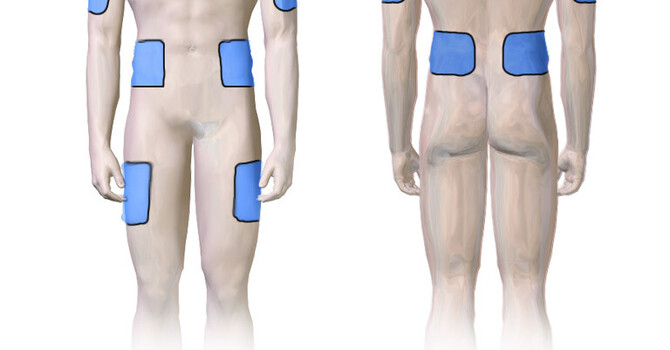
Treatment is typically administered through:
- Small injections under the skin
- Once-daily dosing
- Evening administration
- Home treatment after training
The timing is designed to mimic the body's normal nighttime release patterns.
When Is Growth Hormone Therapy Recommended?
Growth hormone therapy is only considered after a comprehensive medical evaluation.
Being short alone is not enough to qualify for treatment.
Many children who are shorter than average are completely healthy and growing normally according to their genetics.
The goal is identifying whether a true growth disorder exists.
Growth Hormone Deficiency
The most common reason for treatment is growth hormone deficiency.
In this condition, the pituitary gland does not produce enough hormone to support normal growth.
Children may experience:
- Slow growth velocity
- Delayed growth spurts
- Falling height percentiles
- Reduced predicted adult height
Families often begin researching after reading Growth Hormone Deficiency Treatment in Kids: A Complete Parent Guide and recognizing many of the warning signs.
Because hormone production is inadequate, replacing the missing hormone often leads to significant improvements.
Idiopathic Short Stature
Some children are significantly shorter than expected despite normal testing and good overall health.
This condition is known as idiopathic short stature.
Although hormone levels may be normal, selected children may still qualify for treatment.
Parents frequently review HGH Treatment for Idiopathic Short Stature: A Guide for Parents to better understand this diagnosis.
Certain Genetic Conditions
Some genetic syndromes interfere with normal growth and development.
Children with specific growth-related genetic disorders may qualify for HGH therapy.
Chronic Medical Conditions
Long-term illnesses can sometimes impair growth signaling.
In certain situations, growth hormone therapy becomes part of a broader treatment strategy.
Children Born Small for Gestational Age
Some children do not experience normal catch-up growth after birth and may be evaluated for treatment.
Why Not Every Short Child Needs Growth Hormone
One of the most important concepts parents should understand is that many short children are healthy.
Some children are naturally shorter because:
- Their parents are shorter
- Puberty occurs later
- Growth follows a different timeline
- Genetics influence adult height
Many of these children have constitutional growth delay, sometimes called being a late bloomer.
Parents frequently ask Why Is My Child the Shortest in Class? when their child appears much smaller than peers.
Children with constitutional growth delay often:
- Have delayed bone age
- Enter puberty later
- Continue growing longer
- Eventually catch up naturally
Distinguishing constitutional growth delay from true hormone deficiency is one of the most important goals of a growth evaluation.
How Doctors Evaluate Growth Concerns
Before recommending treatment, physicians perform a comprehensive assessment.
Growth Chart Review
Growth patterns over time provide valuable information.
Many parents first become concerned after reading Growth Chart Percentile Dropping in a Child: What It Means and When to Act and realizing their child's growth trend may not be normal.
Growth Velocity Assessment
Growth velocity refers to the rate of growth per year.
Children with poor growth velocity often require additional investigation.
Parents frequently encounter Child Growing Less Than 2 Inches Per Year: What It Means while researching slow growth.
Blood Testing
Laboratory studies often evaluate:
- Thyroid function
- Nutritional markers
- Growth factors
- Hormone levels
Children with low IGF-1 may undergo additional endocrine testing.
Bone Age Assessment
A bone age X-ray helps determine skeletal maturity.
Children with a delayed bone age often have more remaining growth potential than expected.
Bone age helps estimate:
- Remaining growth time
- Predicted adult height
- Potential treatment benefit
Puberty Evaluation
Puberty significantly affects growth outcomes.
Children with delayed puberty often have a longer growth window because their growth plates remain open longer.
What Results Can Parents Expect?
One of the most common questions families ask is how much growth improvement is possible.
The answer varies significantly between children.
Families often review Pediatric Growth Hormone Treatment Results: What Parents Can Expect to understand how outcomes are typically measured.
The First Year of Treatment
The largest growth acceleration often occurs during the first year.
Parents commonly notice:
- Faster height gains
- Increased appetite
- More frequent clothing changes
- Improved growth chart progression
- Increased energy
Long-Term Results
Treatment generally continues for several years.
Many children experience:
- Improved growth velocity
- Better height percentiles
- Increased adult height potential
- Progress toward family height expectations
Families often compare these outcomes with information from Child Height Improvement With HGH Therapy: What Families Can Realistically Expect.
How Much Height Can Growth Hormone Add?
There is no single answer.
Every child responds differently.
Parents frequently ask this question after reading How Much Height Can HGH Add to a Child?
Factors influencing outcomes include:
- Age at treatment start
- Diagnosis
- Bone age
- Puberty timing
- Treatment consistency
- Individual responsiveness
Children who begin treatment earlier often experience greater overall height gains because more growth time remains.
Why Timing Matters So Much
Growth hormone therapy only works while growth plates remain open.
As puberty progresses:
- Growth plates mature
- Skeletal growth slows
- Remaining height potential decreases
Eventually, growth plates close permanently.
Once this occurs:
- Height can no longer increase
- HGH therapy will not add stature
- Adult height becomes fixed
This is why many families seek answers after reading Signs Your Child May Need Growth Hormone Testing or When Is HGH Prescribed for Children?
Earlier evaluation often leads to better outcomes.
Is Growth Hormone Therapy Safe?
Growth hormone therapy has been used in pediatric medicine for more than three decades and is one of the most studied treatments in pediatric endocrinology.
Regular monitoring typically includes:
- Height measurements
- Weight tracking
- IGF-1 testing
- Bone age assessments
- Pubertal development evaluation
When prescribed appropriately and supervised by experienced providers, treatment is generally considered safe.
Growth Hormone Therapy Versus Sermorelin
Parents researching treatment options often encounter Sermorelin for Children.
Although both therapies involve growth pathways, they function differently.
Growth hormone therapy directly provides HGH.
Sermorelin stimulates the pituitary gland to increase natural hormone production.
The most appropriate treatment depends on:
- Diagnosis
- Hormone testing
- Growth potential
- Physician recommendations
Related Growth Resources for Parents
Many families find these resources helpful:
- Does Growth Hormone Make Kids Taller?
- Signs Your Child May Need Growth Hormone Testing
- Child Growing Less Than 2 Inches Per Year: What It Means
- Growth Chart Percentile Dropping in a Child: What It Means and When to Act
- How Much Height Can HGH Add to a Child?
- Pediatric Growth Hormone Treatment Results: What Parents Can Expect
- Growth Hormone Deficiency Treatment in Kids: A Complete Parent Guide
- HGH Treatment for Idiopathic Short Stature: A Guide for Parents
- Child Height Improvement With HGH Therapy: What Families Can Realistically Expect
- Why Is My Child the Shortest in Class?
- When Is HGH Prescribed for Children?
Frequently Asked Questions
Does every short child need growth hormone therapy?
No. Many short children are healthy and growing according to genetics or developmental timing.
How long does treatment last?
Treatment often continues until growth plates close or meaningful growth slows.
Can HGH make a child taller than their genetics allow?
No. The goal is helping children approach their natural height potential.
Is growth hormone therapy safe?
When appropriately prescribed and monitored, HGH therapy has a strong safety record.
What age is best for treatment?
Earlier treatment generally produces better outcomes because more growth time remains.
The Bottom Line
Human growth hormone therapy for children is a well-established medical treatment designed to help children whose bodies are not producing adequate growth signals.
For children with growth hormone deficiency and certain other growth disorders, treatment can significantly improve growth velocity, support normal development, and increase adult height potential.
The greatest benefits typically occur when growth concerns are identified early, growth plates remain open, and treatment begins before puberty is advanced.
While growth hormone therapy cannot change genetics, it can help children move closer to the height their genetics intended—and that can make a meaningful difference throughout childhood and beyond.
Medically Reviewed By
Dr. Devin Stone, ND
Dr. Devin Stone is a Doctor of Naturopathic Medicine and founder of HGHforChildren.com. His clinical focus includes pediatric growth optimization, growth hormone deficiency, delayed bone age assessment, constitutional growth delay, IGF-1 evaluation, and evidence-informed therapies designed to help children maximize healthy growth potential.
References
- Pediatric Endocrine Society. Growth Hormone Deficiency Resources.
- Growth Hormone Research Society Consensus Guidelines.
- Endocrine Society Clinical Practice Guidelines.
- National Institutes of Health (NIH).
- American Academy of Pediatrics.
- Hormone Research in Paediatrics.
- National Institute of Diabetes and Digestive and Kidney Diseases (NIDDK).