One of the first questions parents ask after hearing about growth hormone treatment is simple and understandable: Is growth hormone safe for kids?
When your child is smaller than expected, growing slowly, or being evaluated for a possible growth disorder, considering hormone therapy can feel overwhelming. Families want to know whether treatment is safe, whether there are long-term side effects, and how doctors ensure children receive the right amount of hormone throughout development.
The reassuring news is that human growth hormone (HGH) has been used in pediatric medicine for decades and remains one of the most extensively studied treatments in pediatric endocrinology. When prescribed appropriately and monitored by experienced clinicians, HGH therapy is generally considered safe, effective, and well tolerated.
The key is proper diagnosis, individualized treatment, and ongoing monitoring.
What Is Growth Hormone?
Growth hormone is a naturally occurring hormone produced by the pituitary gland, a small gland located at the base of the brain.
Its primary functions include:
- Supporting height growth
- Stimulating bone development
- Building muscle tissue
- Regulating metabolism
- Supporting healthy body composition
- Helping children progress through normal development
Children who produce insufficient amounts of growth hormone may experience slower growth and reduced height potential.
Why Would a Child Need Growth Hormone Therapy?
Growth hormone therapy is not prescribed simply because a child is shorter than classmates.
Before treatment is considered, providers perform a comprehensive evaluation to determine whether an underlying growth condition exists.
Common reasons treatment may be recommended include:
- growth hormone deficiency
- idiopathic short stature
- low IGF-1
- certain pituitary disorders
- growth delays associated with specific medical conditions
Many children who appear short actually have constitutional growth delay, meaning they simply mature later than peers.
This is why accurate diagnosis is the foundation of safe treatment.
How Doctors Determine If Treatment Is Appropriate
Before recommending therapy, specialists often perform a detailed pediatric growth evaluation appointment.
The evaluation may include:
Growth Chart Analysis
Growth trends over time are often more important than a single height measurement.
Growth Velocity Assessment
Children with poor growth velocity may require further investigation.
Family Height Review
Parental heights help estimate expected adult height.
Hormone Testing
Laboratory testing may help identify hormonal abnormalities.
Bone Age Assessment
A bone age assessment helps determine:
- Skeletal maturity
- Remaining growth potential
- Whether a child is a late bloomer
Children with delayed bone age often have more growth remaining than parents realize.
Why Growth Hormone Is Considered Safe
Growth hormone therapy has several characteristics that contribute to its favorable safety profile.
Decades of Clinical Experience
Pediatric endocrinologists have used growth hormone treatment since the 1980s.
Thousands of children worldwide have received therapy under medical supervision.
Extensive Research
Numerous studies have examined:
- Treatment effectiveness
- Side effects
- Long-term outcomes
- Metabolic health
- Adult follow-up data
Research evaluating long term outcomes growth hormone therapy children has generally shown positive safety outcomes when treatment is medically indicated.
Individualized Treatment
Growth hormone dosing is customized based on:
- Weight
- Growth response
- Hormone levels
- Puberty status
- Growth potential
This individualized approach helps maximize benefits while minimizing risk.
How Providers Keep HGH Therapy Safe
Safety does not happen by accident.
It comes from regular monitoring and ongoing adjustments.
Growth Tracking
Providers routinely measure:
- Height
- Weight
- Growth velocity
- Growth percentiles
Monitoring helps ensure growth remains balanced and appropriate.
Growth Hormone Monitoring Labs
Parents often ask about growth hormone monitoring labs because laboratory testing is a critical part of treatment.
Common monitoring tests include:
- IGF-1
- IGFBP-3
- Thyroid function
- Metabolic markers
- Blood sugar evaluation
These tests help providers determine whether dosage adjustments are needed.
Developmental Monitoring
Providers also assess:
- Puberty progression
- Skeletal maturation
- Overall development
This helps ensure children grow proportionally and appropriately.
Common Side Effects of Growth Hormone Therapy
Most children tolerate treatment very well.
When side effects occur, they are usually mild and temporary.
Injection Site Irritation
Children may occasionally experience:
- Redness
- Mild swelling
- Itching
- Tenderness
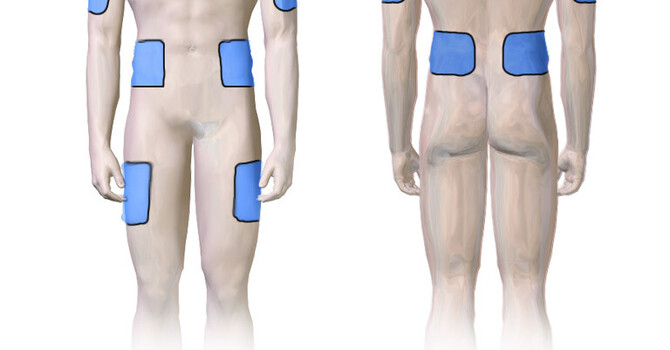
These symptoms usually improve with site rotation.
Mild Headaches
Parents frequently research headaches during growth hormone therapy in a child because headaches can occasionally occur during treatment initiation.
Most headaches:
- Are mild
- Improve with time
- Resolve without intervention
Mild Swelling
Temporary fluid retention can occasionally cause:
- Puffy hands
- Mild foot swelling
- Sensations of tightness
Symptoms typically improve as the body adapts.
Muscle or Joint Discomfort
Some children experience temporary discomfort during periods of accelerated growth.
Rare Side Effects Parents Should Know About
Serious complications are uncommon, but families should understand what providers monitor.
Growth Hormone Therapy Brain Pressure Symptoms
A rare condition known as intracranial hypertension can occasionally occur.
Parents searching growth hormone therapy brain pressure symptoms often learn to watch for:
- Persistent headaches
- Vision changes
- Morning headaches
- Nausea
- Vomiting
Early recognition typically leads to complete resolution.
Hip Pain or Limping
Rapid growth occasionally stresses developing joints.
Any persistent limping should be evaluated promptly.
Significant Swelling
Substantial fluid retention is uncommon but should be reported.
Does Growth Hormone Affect Blood Sugar?
Parents often ask about growth hormone therapy insulin resistance because growth hormone influences metabolism.
Growth hormone can temporarily reduce insulin sensitivity.
However:
- Most children maintain normal glucose regulation
- Significant problems are uncommon
- Regular monitoring helps identify concerns early
Providers often monitor blood sugar markers throughout treatment.
Does Growth Hormone Affect Puberty?
Another common concern is does HGH affect puberty timing.
Current evidence suggests HGH does not directly trigger puberty.
Puberty is controlled primarily by reproductive hormones produced through a separate hormonal system.
However, providers monitor puberty carefully because developmental timing affects final height potential.
Long-Term Safety of Growth Hormone Therapy
One of the most reassuring aspects of treatment is the amount of long-term research available.
Studies evaluating HGH side effects in children long term generally demonstrate:
- Favorable safety profiles
- Good treatment tolerance
- Low rates of serious complications
- Normal developmental outcomes
Research examining growth hormone treatment years duration safety also supports the long-term use of therapy when medically appropriate.
When Does Growth Hormone Therapy End?
Treatment is not intended to continue forever.
Providers typically stop therapy when:
- Growth plates close
- Growth slows significantly
- Height gains become minimal
- Development is complete
A bone age assessment helps determine when treatment should end.
Continuing therapy after growth plates close does not increase height.
Benefits vs Risks
Parents often evaluate the cost vs benefit of growth hormone therapy in a child when making treatment decisions.
Potential benefits may include:
- Improved growth velocity
- Better adult height prediction
- Healthier development
- Improved body composition
- Increased confidence
Potential risks are generally low when treatment is appropriately monitored.
For children with documented growth disorders, many specialists believe the benefits significantly outweigh the risks.
Frequently Asked Questions
Is growth hormone therapy safe for children?
Yes. When medically indicated and monitored appropriately, growth hormone therapy is generally considered safe.
What is the most common side effect?
Injection-site irritation, mild headaches, and temporary swelling are among the most common side effects.
Are serious complications common?
No. Serious complications are rare when therapy is supervised properly.
How often are children monitored?
Most children are evaluated every few months, especially during the first stages of treatment.
Does growth hormone make children unnaturally tall?
No. The goal is helping children achieve their natural genetic height potential.
The Bottom Line
So, is growth hormone safe for kids?
For children with documented growth disorders, the answer is generally yes.
Growth hormone therapy has been studied extensively and has a strong safety record when prescribed appropriately and monitored carefully. Providers use regular growth measurements, growth hormone monitoring labs, developmental assessments, and periodic bone age assessment studies to ensure treatment remains balanced and effective.
Children receiving treatment for growth hormone deficiency, idiopathic short stature, low IGF-1, and certain pituitary disorders often benefit from improved growth while maintaining a favorable safety profile.
The most important factor is not the medication itself—it is receiving the right diagnosis, the right treatment plan, and the right follow-up care throughout childhood and adolescence.
Medically Reviewed By
Dr. Devin Stone, ND
Dr. Devin Stone is a Doctor of Naturopathic Medicine and founder of HGHforChildren.com. His clinical focus includes pediatric growth optimization, growth hormone deficiency, delayed bone age assessment, constitutional growth delay, IGF-1 evaluation, and evidence-informed therapies designed to help children maximize healthy growth potential.
References
- Pediatric Endocrine Society. Growth Hormone Treatment Guidelines.
- Growth Hormone Research Society Consensus Statement.
- Endocrine Society Clinical Practice Guidelines.
- National Institutes of Health (NIH).
- Hormone Research in Paediatrics.
- National Institute of Diabetes and Digestive and Kidney Diseases (NIDDK).
- American Academy of Pediatrics (AAP).
- Grimberg A, et al. Guidelines for Growth Hormone and IGF-1 Treatment in Children and Adolescents.