How Families Can Decide Whether Growth Hormone Therapy Is the Right Choice
Few medical decisions feel as personal as deciding whether to start growth hormone (HGH) therapy for your child.
Parents often ask:
- Will HGH actually help my child?
- Is it worth years of daily injections?
- Are the benefits significant enough?
- Should we simply continue monitoring instead?
- Will we regret waiting too long?
These are thoughtful questions, and there is no universal answer.
For some children, growth hormone therapy can dramatically improve growth velocity and help them reach much closer to their natural genetic height potential. For others, treatment may provide little additional benefit because they are already growing normally for their individual growth pattern.
The most important question is not:
"Is HGH worth it?"
Instead, physicians first ask:
"Why is this child short?"
Once that question is answered, families can make an informed decision based on medical evidence rather than uncertainty.
What Does "Worth It" Really Mean?
Every family defines "worth it" a little differently.
Some parents focus primarily on maximizing adult height.
Others are concerned about:
- Their child's self-confidence.
- Emotional well-being.
- Future opportunities.
- Daily treatment burden.
- Long-term commitment.
- Cost and insurance coverage.
- Medical necessity.
A comprehensive Child Height Specialist Consultation helps families discuss all of these factors—not simply whether a child qualifies for treatment.
The decision should balance expected benefits, potential limitations, and the child's overall health rather than focusing only on inches gained.
Step One: Why Is Your Child Short?
Before discussing growth hormone therapy, physicians determine why growth has slowed.
Several different conditions may produce similar symptoms while requiring very different management strategies.
Growth Hormone Deficiency
Children with Growth Hormone Deficiency do not produce enough natural growth hormone to support healthy childhood growth.
Common findings include:
- Reduced annual height gain
- Declining height percentiles
- Delayed bone age
- Low growth velocity
- Abnormal growth hormone stimulation testing
Children with confirmed hormone deficiency are often among those who benefit most from recombinant human growth hormone therapy.
Constitutional Growth Delay
Children with Constitutional Growth Delay frequently concern parents because they remain much shorter than classmates throughout childhood.
However, these children often:
- Have delayed skeletal maturation.
- Enter puberty later.
- Continue growing after many friends have stopped.
- Eventually approach their expected adult height.
Because they often experience spontaneous catch-up growth, observation is frequently the safest initial recommendation.
Familial Short Stature
Some children inherit shorter height from their parents.
These children usually:
- Grow normally each year.
- Have normal hormone testing.
- Follow a consistent growth curve.
- Reach heights consistent with family genetics.
In these situations, growth hormone therapy is often less likely to provide meaningful benefit.
Idiopathic Short Stature
Some children remain significantly shorter than expected despite otherwise normal testing.
This diagnosis is known as Idiopathic Short Stature.
Treatment decisions depend on:
- Predicted adult height.
- Remaining growth potential.
- Growth velocity.
- Current height percentile.
- FDA treatment criteria.
Each child requires an individualized evaluation.
Other Medical Conditions
Short stature may also result from:
- Children born Small for Gestational Age
- Chronic medical illness
- Nutritional deficiencies
- Thyroid disease
- Certain Pituitary Disorders
- Genetic syndromes
Because these conditions require different management strategies, physicians focus on diagnosis before discussing treatment.
A Complete Evaluation Comes Before Any Decision
Parents understandably want immediate answers.
However, experienced pediatric growth specialists first perform a detailed evaluation to understand the child's overall growth pattern.
A comprehensive Pediatric Growth Assessment Clinic evaluation often includes:
- Growth chart review
- Annual growth velocity calculations
- Family height history
- Puberty assessment
- Bone age imaging
- Laboratory studies
- Predicted adult height calculation
- Nutritional review
- Sleep assessment
This information helps determine whether treatment, observation, or additional testing is most appropriate.
Why Bone Age Can Completely Change the Conversation
One of the most valuable tests in pediatric endocrinology is the Bone Age Test for Child Height.
Bone age measures skeletal maturity rather than chronological age.
Two children who are both 12 years old may have very different remaining growth potential.
For example:
One child's skeleton may resemble that of a typical 10-year-old.
Another child's skeleton may already resemble that of a 14-year-old.
Although they share the same birthday, their future growth opportunities are dramatically different.
This is why physicians carefully evaluate Delayed Bone Age before making treatment recommendations.
Growth Velocity Often Matters More Than Height
Many parents focus on percentile alone.
Specialists often pay closer attention to how quickly a child is growing.
A child who consistently remains at the 5th percentile may simply be genetically shorter.
A child whose growth rate steadily slows deserves much closer evaluation.
Children with Poor Growth Velocity frequently undergo additional endocrine testing because declining annual growth is often one of the earliest warning signs of an underlying medical condition.
Monitoring growth velocity over time provides much more useful information than a single office measurement.
When HGH Is Often Worth Considering
Growth hormone therapy is generally most beneficial when physicians identify an approved medical indication.
Examples include:
- Confirmed Growth Hormone Deficiency
- Turner syndrome
- Chronic kidney disease
- Prader-Willi syndrome
- Children born Small for Gestational Age without adequate catch-up growth
- Selected children with Idiopathic Short Stature who meet established treatment criteria
In these situations, treatment often produces significant improvements in growth velocity and may improve predicted adult height.
The goal is not to create extraordinary height.
The goal is to help children reach as much of their own genetic growth potential as possible.
When HGH May Not Be Worth It
Growth hormone therapy is not the right answer for every child.
Treatment may provide limited benefit when:
- Growth velocity remains normal.
- Height follows family genetics.
- Puberty is progressing appropriately.
- Remaining growth potential is limited.
- Growth plates are nearly closed.
- No qualifying medical diagnosis is present.
For many children, careful observation remains the most appropriate approach.
Understanding Growth Hormone Therapy Medical Necessity Criteria helps families appreciate why physicians do not recommend growth hormone simply because a child is shorter than average.
Why Parents Shouldn't Rush the Decision
One of the biggest fears parents have is waiting too long.
Another is starting treatment unnecessarily.
Both concerns are understandable.
Rather than rushing toward medication—or avoiding it completely—the goal is to collect enough information to make the best possible decision for the individual child.
Sometimes that means treatment.
Sometimes that means observation.
Sometimes it means repeating growth measurements over the next six months before deciding.
The right decision is almost always based on accurate diagnosis rather than emotion alone.
What Benefits Can Families Realistically Expect?
For children who meet established medical criteria, growth hormone therapy can produce meaningful improvements in growth. However, understanding realistic expectations is one of the most important parts of deciding whether treatment is worth pursuing.
When prescribed appropriately and monitored by an experienced pediatric endocrinology team, HGH therapy may:
- Increase annual growth velocity.
- Improve predicted adult height.
- Support healthier bone development.
- Improve lean body mass.
- Help children move closer to their inherited genetic height potential.
Many families notice the greatest improvement during the first year of treatment, when growth velocity often accelerates most dramatically.
Parents who want a better understanding of what this timeline looks like often benefit from reviewing First Year Growth Hormone Height Gain, which explains the changes physicians commonly monitor throughout the first year of therapy.
How Long Does Treatment Usually Last?
One of the biggest surprises for families is that HGH therapy is not a short-term treatment.
Most children continue therapy for several years until one or more of the following occurs:
- Growth plates begin closing.
- Adult height is reached.
- Growth velocity slows significantly.
- Treatment goals have been achieved.
- The pediatric endocrinologist recommends stopping therapy.
Parents frequently ask how long children remain on treatment, making How Long Do Kids Stay on Growth Hormone a helpful resource when planning long-term expectations.
Understanding the overall commitment allows families to make a more informed decision before beginning therapy.
Daily Treatment: What Families Should Know
Growth hormone therapy generally involves:
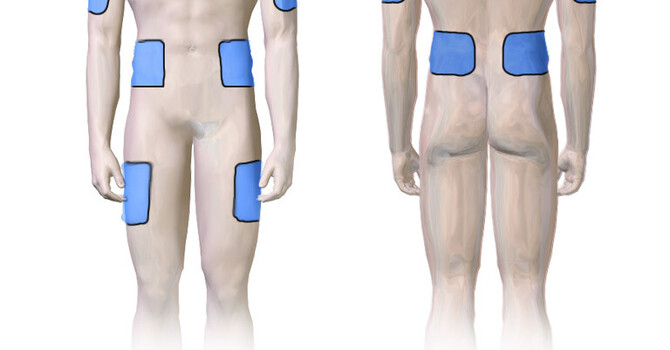
- Daily subcutaneous injections.
- Regular follow-up appointments.
- Periodic laboratory monitoring.
- Height and weight measurements.
- Dose adjustments as children grow.
Although many children become comfortable with injections over time, parents should consider whether both they and their child are emotionally prepared for a long-term treatment plan.
Learning about HGH Injections Nightly in Children often helps families understand what daily therapy realistically involves.
Insurance and Financial Considerations
Medical decisions should never be based solely on finances, but practical considerations are still important.
Parents frequently ask:
- Will insurance approve treatment?
- What diagnosis is required?
- How long does approval take?
- What if insurance denies coverage?
Coverage varies depending on the child's diagnosis and insurance plan.
Conditions with established FDA-approved indications generally have clearer coverage pathways than situations where treatment is not medically indicated.
Families interested in understanding the financial aspect of therapy often review Cost of Growth Hormone Therapy in Children before making long-term decisions.
Timing Makes a Difference
One of the most important concepts in pediatric growth medicine is that timing influences outcomes.
Growth occurs while specialized cartilage structures called growth plates remain open.
As puberty progresses:
- Growth plates gradually mature.
- Bone age advances.
- Remaining growth potential decreases.
Because of this, physicians emphasize early evaluation—not because every child needs treatment, but because earlier diagnosis preserves more options.
Parents often find Peak Response Age for Growth Hormone Therapy helpful for understanding why treatment response frequently depends on the amount of remaining growth.
What Are the Limitations of HGH?
Growth hormone therapy can be extremely effective for appropriately selected children, but it is not a miracle treatment.
Parents should understand several important limitations.
HGH cannot:
- Change a child's genetics.
- Reopen closed growth plates.
- Guarantee a specific adult height.
- Make every child exceptionally tall.
Instead, treatment helps eligible children maximize the growth potential already programmed within their own biology.
Setting realistic expectations before starting therapy often leads to greater satisfaction with treatment.
Emotional Benefits Can Be Important Too
Although physicians focus on medical indications, many parents are equally concerned about their child's emotional well-being.
Children with significant short stature sometimes experience:
- Bullying.
- Reduced confidence.
- Avoidance of sports.
- Social comparison.
- Feeling younger than classmates.
Others experience none of these concerns.
Every child is different.
For families considering treatment, discussions should include both the physical and emotional aspects of growth.
Parents may also find Growth Hormone Treatment Expectations for Parents helpful for understanding the broader impact of therapy beyond height alone.
Questions Every Family Should Ask Before Starting HGH
Before beginning treatment, consider asking your child's growth specialist:
- Does my child have a confirmed diagnosis?
- What is their current Poor Growth Velocity?
- How much growth potential remains?
- What does the bone age show?
- What is my child's predicted adult height?
- How many additional inches are realistically expected?
- What are the risks and benefits?
- How will progress be monitored?
- What happens if we choose observation instead?
These questions often lead to a much more productive discussion than simply asking whether HGH is "worth it."
Frequently Asked Questions
Is HGH worth it for every short child?
No. Growth hormone therapy is most beneficial for children with approved medical indications or carefully selected diagnoses. Many healthy children with familial short stature or constitutional growth delay do not require treatment.
Will HGH make my child very tall?
No. Growth hormone helps eligible children approach their natural genetic height potential. It cannot override inherited genetics.
Is earlier treatment better?
When treatment is medically indicated, beginning while significant growth potential remains often produces better outcomes than waiting until growth plates are nearly closed.
How quickly will we see results?
Most children who respond to treatment show increased growth velocity within the first year, although individual responses vary.
Can we wait before deciding?
In many situations, yes. Observation with regular follow-up is an appropriate recommendation for numerous children. The decision depends on the underlying diagnosis, growth pattern, and remaining growth potential.
The Bottom Line
Whether HGH is "worth it" depends entirely on the individual child.
For children with Growth Hormone Deficiency, approved medical indications, or carefully selected cases of Idiopathic Short Stature, treatment may significantly improve growth velocity and help them reach closer to their natural genetic height potential.
For children who are healthy, growing normally, and simply following their inherited growth pattern, careful observation may be the better choice.
The most important step is not deciding whether to start HGH.
It is obtaining an accurate diagnosis through a comprehensive pediatric growth evaluation.
Once families understand why their child is growing the way they are, they can make confident decisions based on evidence, realistic expectations, and their child's unique medical needs.
Medically Reviewed By
Dr. Devin Stone, ND
Dr. Devin Stone is a Doctor of Naturopathic Medicine and founder of HGHforChildren.com. His clinical focus includes pediatric growth optimization, growth hormone deficiency, delayed bone age assessment, constitutional growth delay, IGF-1 evaluation, and evidence-informed therapies designed to help children maximize healthy growth potential.
References
- Pediatric Endocrine Society
- Growth Hormone Research Society
- Endocrine Society
- American Academy of Pediatrics
- National Institutes of Health (NIH)
- National Institute of Diabetes and Digestive and Kidney Diseases (NIDDK)
- Hormone Research in Paediatrics
- Journal of Clinical Endocrinology & Metabolism
Devin Stone
Contact Me