Hearing that your child is significantly shorter than classmates can be both confusing and emotional. Many parents immediately begin searching for answers online and quickly encounter countless recommendations ranging from vitamins and nutrition plans to growth hormone injections and specialized therapies. Unfortunately, much of this information lacks important context, making it difficult to know what is truly appropriate for your child.
The reality is that short stature is not a diagnosis—it is a symptom.
Some children are naturally shorter because of their genetics. Others may simply be late bloomers who will eventually experience a normal growth spurt. However, some children have an underlying medical condition that requires treatment to maximize healthy growth.
This is why every decision should begin with a careful evaluation—not with treatment.
This step-by-step guide will help parents understand how pediatric growth specialists evaluate short stature, when monitoring is appropriate, when additional testing is recommended, and when medical treatment may offer meaningful benefits.
Why Proper Diagnosis Matters
Many parents naturally ask:
"Should my child start growth hormone?"
The better question is:
"Why isn't my child growing as expected?"
Children who appear similar in height may have completely different underlying causes.
For example, one child may have:
- Familial short stature
- Constitutional growth delay
- Growth Hormone Deficiency
- Poor nutrition
- A thyroid disorder
- Celiac disease
- A chronic inflammatory condition
- A genetic syndrome
Each condition requires a different management plan.
Beginning treatment before identifying the underlying cause may delay the correct diagnosis and expose children to therapies they do not need.
The goal of pediatric endocrinology is not simply making children taller—it's helping every child safely reach their own genetic growth potential.
Step 1: Confirm That There Is a True Growth Concern
One of the biggest misconceptions is that every short child has a growth disorder.
Many healthy children are naturally shorter than average.
Instead of looking at height alone, pediatric growth specialists evaluate several important measurements.
Height Percentile
The first measurement reviewed is where a child's height falls on standardized growth charts.
Children below the 3rd percentile deserve closer evaluation, particularly if:
- Height continues falling over time
- Growth has slowed
- Family history does not explain the child's stature
However, percentile alone never determines whether treatment is needed.
A child consistently following the 2nd percentile since infancy may actually be growing completely normally.
Growth Velocity
Perhaps the single most important measurement is poor growth velocity.
Growth velocity measures how many inches a child grows each year.
A child who remains short but grows at a normal yearly rate often has a very different outlook than a child whose yearly growth is slowing.
Examples include:
- Normal childhood growth
- Slowed growth over several years
- Sudden changes after previously normal development
Because growth velocity reflects how actively the body is growing, physicians often consider it even more valuable than height percentile.
Family Height
Parents' heights provide important information when estimating a child's expected adult stature.
Doctors calculate a child's mid-parental target height to estimate genetic growth potential.
Children with familial short stature frequently:
- Have shorter parents
- Grow steadily
- Reach an adult height consistent with family genetics
However, family history should never be used as the only explanation.
Children with short parents can still develop endocrine disorders or other medical conditions affecting growth.
Puberty Stage
Puberty dramatically influences height gain.
Children entering puberty too early may have less remaining time to grow.
Children with delayed puberty often continue growing longer than peers.
Evaluating pubertal development helps physicians understand whether growth is occurring at the expected pace.
Looking Beyond Height
Pediatric specialists also consider:
- Weight
- Body mass index
- Nutrition
- Chronic illness
- Physical activity
- Sleep quality
- Birth history
- Developmental milestones
Growth reflects the health of the entire body—not just the bones.
Step 2: Perform a Comprehensive Growth Evaluation
Once physicians determine that further evaluation is appropriate, the next step is identifying why growth has slowed.
This involves combining multiple sources of information rather than relying on a single laboratory test.
A comprehensive pediatric growth evaluation allows physicians to distinguish between normal variations in growth and medical conditions requiring treatment.
Growth Chart Review
Years of previous height measurements often tell the story more clearly than any laboratory result.
Doctors look for patterns such as:
- Consistent growth along one percentile
- Gradual decline across percentiles
- Sudden slowing
- Catch-up growth
- Growth acceleration
Each pattern suggests different possible diagnoses.
Medical History
A detailed medical history includes:
- Pregnancy complications
- Birth weight and length
- Prematurity
- Previous illnesses
- Chronic medications
- Appetite
- Sleep
- Family history
- Puberty timing
- Exercise habits
Sometimes the medical history alone provides the first clue to an underlying diagnosis.
Physical Examination
The examination evaluates much more than height.
Physicians assess:
- Body proportions
- Muscle development
- Pubertal stage
- Skeletal abnormalities
- Signs of chronic disease
- Nutritional status
These findings help narrow the differential diagnosis before additional testing is performed.
Laboratory Evaluation
Laboratory testing is individualized based on each child's presentation.
Common studies may include evaluation of:
- Low IGF-1
- Thyroid function
- Complete blood count
- Comprehensive metabolic panel
- Celiac disease screening
- Iron studies
- Vitamin D
- Inflammatory markers
Normal laboratory testing helps reassure families when no evidence of systemic disease is present.
Abnormal results help guide additional evaluation.
Why Bone Age Is One of the Most Important Tests
One of the most valuable tools in pediatric endocrinology is the bone age test for child height.
This simple X-ray compares skeletal maturity with chronological age.
Bone age provides important information about:
- Remaining growth potential
- Puberty timing
- Future adult height prediction
- Underlying diagnosis
Examples include:
Normal Bone Age
Children with familial short stature often have bone ages matching their chronological age.
Delayed Bone Age
Children with Constitutional Growth Delay frequently have delayed skeletal maturation, allowing additional time for future growth.
Advanced Bone Age
Children entering puberty early may have advanced bone maturation, shortening the remaining growth window.
Bone age helps physicians determine not only why growth differs—but also how much opportunity remains.
Step 3: Determine Whether Monitoring Is the Best Option
Many parents assume that every evaluation ends with medication.
In reality, careful observation is often the most appropriate treatment.
Monitoring allows physicians to distinguish between children who are simply developing normally and those whose growth patterns begin changing over time.
Which Children Can Often Be Monitored?
Children may be good candidates for observation when they have:
- Normal yearly growth
- Stable height percentile
- Normal laboratory findings
- Consistent family history
- Healthy nutrition
- Delayed bone age consistent with delayed maturation
- No signs of chronic illness
These children frequently continue growing appropriately without medical intervention.
Constitutional Growth Delay
One of the most common reasons for observation is Constitutional Growth Delay.
These children often:
- Are among the shortest in class
- Enter puberty later
- Have delayed bone age
- Continue growing after peers have stopped
Many eventually achieve adult heights close to their genetic expectations.
This is why premature treatment decisions should be avoided.
Why Monitoring Is Active—not Passive
Observation does not mean "doing nothing."
Instead, physicians continue evaluating:
- Height every 3–6 months
- Weight changes
- Growth velocity
- Puberty progression
- Bone age progression
- Laboratory findings when indicated
Monitoring ensures that children remain on a healthy developmental trajectory.
Step 4: Consider Medical Treatment When Appropriate
When evaluation identifies an underlying medical condition, treatment discussions become much more focused.
Rather than treating "short stature," physicians treat the specific disorder causing impaired growth.
Conditions That May Benefit From Growth Hormone Therapy
Recombinant human growth hormone (somatropin) is approved in the United States for several pediatric conditions under established medical guidelines.
These include:
- Growth Hormone Deficiency
- Idiopathic Short Stature
- Turner Syndrome
- Small for Gestational Age
- Chronic kidney disease
- Prader-Willi syndrome
- Additional approved pediatric indications
Each diagnosis has specific eligibility criteria.
Treatment decisions are individualized after reviewing growth history, laboratory findings, imaging studies, and predicted adult height.
Understanding What Growth Hormone Can Do
Growth hormone therapy stimulates growth by increasing production of insulin-like growth factor-1 (IGF-1), which acts on the growth plates of developing bones.
When appropriately prescribed, treatment may:
- Increase yearly growth velocity
- Improve height percentile
- Support healthier bone development
- Increase the likelihood of reaching genetic height potential
However, it is equally important to understand what treatment cannot accomplish.
Growth hormone cannot:
- Completely override genetics
- Guarantee a specific adult height
- Replace good nutrition
- Correct every cause of short stature
The best outcomes occur when treatment is based on an accurate diagnosis and started while meaningful growth potential remains.
Step 5: Evaluate Puberty Timing and Remaining Growth Potential
One of the most overlooked factors in childhood height is puberty timing.
Many parents focus only on how tall their child is today, but pediatric endocrinologists also want to know how much growing time remains. Two children who are the same height at age 12 may have completely different adult height outcomes depending on their stage of puberty and skeletal maturity.
This is why assessing puberty is a critical part of every treatment decision.
Why Puberty Matters
Puberty triggers a dramatic increase in growth hormone, sex hormones, and IGF-1, leading to the familiar adolescent growth spurt.
During this period:
- Growth velocity accelerates.
- Bones lengthen rapidly.
- Muscle mass increases.
- Growth plates gradually mature.
- Eventually, growth plates close, ending height growth.
The challenge is that while puberty initially speeds growth, it also starts the countdown toward the end of growing.
Early Puberty
Children who enter puberty earlier than average often experience:
- Earlier growth spurts
- Faster bone maturation
- Earlier growth plate closure
- Less remaining time for future growth
Without proper evaluation, families may incorrectly assume their child is growing well because of the rapid early height gain, even though adult height potential may actually become limited.
Delayed Puberty
Children with Delayed Puberty often follow a different pattern.
They may:
- Remain shorter than classmates for several years.
- Have delayed bone age.
- Begin puberty later.
- Continue growing after many peers have stopped.
Many children eventually experience normal catch-up growth without requiring aggressive medical intervention.
Understanding whether delayed puberty is a normal developmental variation or part of another medical condition requires careful evaluation.
How Bone Age Guides Treatment Decisions
A child's chronological age does not always reflect biological maturity.
This is why physicians rely heavily on bone age assessment when estimating remaining growth potential.
Bone age helps answer several important questions:
- How much growth is likely to remain?
- Is skeletal development occurring normally?
- Is puberty progressing appropriately?
- Is intervention still likely to be effective?
Children with significantly delayed bone age often have more remaining opportunity for growth than their chronological age alone would suggest.
Conversely, children whose bone age is advanced may have a shorter window during which treatment can influence final adult height.
Because treatment effectiveness often depends on remaining growth plate activity, bone age frequently influences both the timing and urgency of medical decisions.
Is Earlier Treatment Better?
Parents often ask whether they should "wait and see" or begin treatment immediately.
The answer depends entirely on the diagnosis.
For some children, observation is the safest and most appropriate option.
For others, early intervention may preserve valuable growth potential before the growth plates begin closing.
In general, earlier diagnosis provides more flexibility because physicians have more time to monitor progress, repeat testing if needed, and discuss treatment options before growth opportunities become limited.
Early evaluation does not always mean early medication—it simply allows families to make informed decisions while options remain available.
Step 6: Carefully Weigh the Benefits and Risks of Treatment
Once a diagnosis has been established, families and physicians work together to determine whether treatment offers meaningful benefits.
This decision should never be based on height alone.
Instead, multiple factors are considered.
Predicted Adult Height
One of the first questions physicians ask is:
How tall is this child expected to become without treatment?
Predicted adult height is estimated using:
- Current height
- Growth velocity
- Bone age
- Puberty stage
- Family height
- Mid-parental target height
These estimates help families understand realistic expectations while recognizing that no prediction is perfect.
Quality of Life
Height is only one part of childhood development.
Some children are emotionally unaffected by being shorter than peers.
Others experience:
- Low self-confidence
- Social anxiety
- Bullying
- Difficulty participating in activities
- Emotional distress
Psychosocial well-being becomes an important part of treatment discussions.
Families should feel comfortable discussing these concerns openly with their pediatric growth specialist.
Commitment Required for Treatment
Growth hormone therapy is not a short-term intervention.
Treatment typically involves:
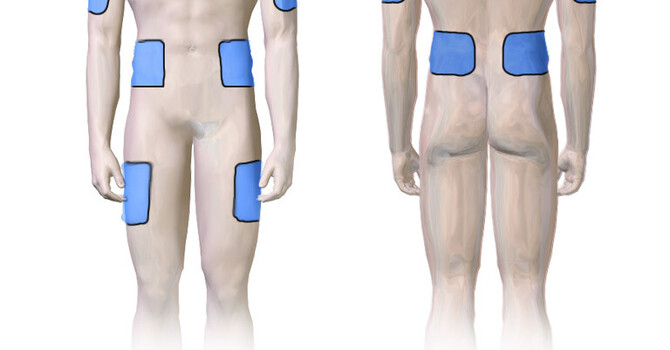
- Daily injections
- Regular office visits
- Periodic laboratory testing
- Repeat height measurements
- Bone age monitoring
- Ongoing dose adjustments
Families should understand these commitments before beginning therapy.
Long-Term Safety
Modern recombinant human growth hormone has been extensively studied over several decades.
When prescribed appropriately and monitored carefully, growth hormone therapy has demonstrated a favorable safety profile for approved pediatric indications.
However, every medical treatment carries potential risks.
Monitoring helps physicians identify uncommon side effects while ensuring treatment continues to provide meaningful benefit.
This ongoing supervision is one reason therapy should always be managed by experienced clinicians familiar with pediatric growth disorders.
Step 7: Continue Reassessing Growth Over Time
Growth decisions are rarely made during a single appointment.
Instead, pediatric growth care is an ongoing process.
Children change rapidly throughout childhood, and new information becomes available with each follow-up visit.
Monitoring allows physicians to answer important questions such as:
- Is growth velocity improving?
- Has puberty progressed as expected?
- Is bone age advancing appropriately?
- Do laboratory values remain stable?
- Is treatment still appropriate?
- Have new symptoms developed?
These regular reassessments help ensure every child receives the most appropriate care at every stage of development.
Why Follow-Up Is So Important
Some children initially thought to have Familial Short Stature later develop slowing growth that warrants additional evaluation.
Others diagnosed with Constitutional Growth Delay begin puberty and demonstrate the expected catch-up growth without requiring medication.
Still others receiving treatment may require dose adjustments as they grow.
Because childhood growth is dynamic, continued follow-up remains one of the most valuable aspects of pediatric endocrinology.
When Should Parents Seek a Pediatric Growth Specialist?
Parents should consider scheduling a comprehensive evaluation if their child:
- Falls below the 3rd percentile for height.
- Drops across multiple growth percentiles.
- Grows fewer inches each year than expected.
- Has delayed or unusually early puberty.
- Has a predicted adult height significantly below family expectations.
- Has abnormal laboratory findings.
- Has chronic medical conditions affecting nutrition or growth.
- Has persistent concerns despite reassurance.
Seeking evaluation early does not necessarily mean treatment will be recommended.
It simply provides families with accurate information while preserving the greatest number of future options.
A Step-by-Step Process Leads to Better Decisions
Every child deserves an individualized approach to growth evaluation.
Rather than rushing into treatment—or dismissing concerns too quickly—the best strategy follows a logical sequence:
- Confirm there is a true growth concern.
- Complete a comprehensive evaluation.
- Identify the underlying diagnosis.
- Determine whether observation or treatment is appropriate.
- Consider remaining growth potential.
- Weigh benefits and risks carefully.
- Continue monitoring over time.
This process ensures that treatment decisions are based on evidence rather than uncertainty.
At HGH for Children, we believe every family deserves clear answers, realistic expectations, and compassionate guidance throughout their child's growth journey.
Our comprehensive evaluations combine growth history, nutrition, laboratory testing, bone age assessment, and pediatric endocrine expertise to help each child reach their healthiest possible growth potential.
Whether the recommendation is continued monitoring, lifestyle optimization, or medically supervised treatment, our goal is always the same: providing personalized, evidence-based care that supports long-term health and development.
Frequently Asked Questions
Does every child with short stature need treatment?
No. Many children with short stature are healthy and simply have inherited shorter stature or constitutional growth delay. Treatment depends on the underlying diagnosis rather than height alone.
How long does a pediatric growth evaluation take?
Most evaluations begin with a detailed medical history, physical examination, growth chart review, and discussion. Additional laboratory testing or imaging may be completed over the following days or weeks.
Can growth hormone therapy help every short child?
No. Growth hormone therapy is recommended only for children who meet established medical criteria. Many children with short stature do not require hormone treatment.
Why is bone age so important?
Bone age estimates skeletal maturity and remaining growth potential, helping physicians determine diagnosis, timing, and expected response to treatment.
Is it ever too early to seek an evaluation?
No. Early evaluation often provides more options and allows physicians to monitor growth before significant height potential is lost.
Medically Reviewed By
Dr. Devin Stone, ND
Dr. Devin Stone is a Doctor of Naturopathic Medicine and founder of HGHforChildren.com. His clinical focus includes pediatric growth optimization, growth hormone deficiency, delayed bone age assessment, constitutional growth delay, IGF-1 evaluation, and evidence-informed therapies designed to help children maximize healthy growth potential.
References
- American Academy of Pediatrics. Evaluation of Short Stature in Children.
- Pediatric Endocrine Society. Clinical Resources for Growth Disorders.
- Growth Hormone Research Society. Consensus Guidelines for Pediatric Growth Hormone Therapy.
- Endocrine Society Clinical Practice Guidelines.
- National Institute of Diabetes and Digestive and Kidney Diseases (NIDDK). Growth Disorders in Children.
- National Institutes of Health (NIH). Human Growth and Development.
- Hormone Research in Paediatrics. Evaluation and Management of Pediatric Short Stature.