When parents first learn that their child may need treatment for a growth disorder, one of the first questions they ask is about safety. Searches for risks of growth hormone therapy in kids are common because families want to understand both the benefits and the potential side effects before making a long-term commitment.
The reassuring news is that growth hormone therapy has been used in pediatric medicine for more than three decades and has one of the most extensively studied safety records in pediatric endocrinology. When treatment is prescribed appropriately, monitored regularly, and tailored to a child's individual needs, serious complications are uncommon.
That said, no medical treatment is completely risk-free.
Understanding potential side effects, how doctors monitor children during therapy, and when parents should contact their provider can help families make informed decisions with confidence.
Understanding the Goal of Growth Hormone Therapy
Before discussing risks, it is important to understand the purpose of treatment.
Growth hormone therapy is not intended to make children unnaturally tall or push growth beyond normal limits.
Instead, treatment is designed to:
- Restore normal growth patterns
- Improve growth velocity
- Help children reach their genetic height potential
- Support healthy development
Children receiving treatment often have conditions such as:
- growth hormone deficiency
- idiopathic short stature
- low IGF-1
- certain pituitary disorders
- growth-related medical conditions
The goal is physiologic growth—not excessive growth.
Why Proper Diagnosis Matters
One of the biggest ways providers reduce risk is by ensuring treatment is appropriate before it begins.
A comprehensive pediatric growth evaluation appointment may include:
- Growth chart analysis
- Family height assessment
- Growth velocity review
- Hormone testing
- Bone age evaluation
- Medical history review
Many children who appear short simply have constitutional growth delay or normal variations in growth timing.
Treating the right child for the right reason is one of the most important safety measures in pediatric endocrinology.
Why Monitoring Reduces Risk
Growth hormone therapy is carefully monitored throughout treatment.
Providers regularly evaluate:
- Height progression
- Weight changes
- Puberty status
- Growth velocity
- Hormone levels
- Metabolic markers
These follow-ups allow small adjustments before larger problems develop.
This ongoing supervision is one reason studies examining growth hormone treatment years duration safety continue to show favorable outcomes.
Common Mild Side Effects
Most side effects reported during therapy are mild and temporary.
Injection Site Irritation
Children may occasionally experience:
- Redness
- Tenderness
- Mild swelling
- Itching
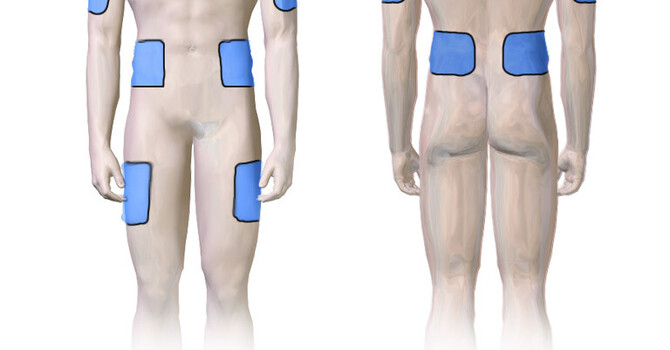
Rotating injection sites often minimizes these symptoms.
Mild Headaches
Some children develop temporary headaches, especially during the early stages of treatment.
Parents concerned about this symptom often research headaches during growth hormone therapy in a child to better understand what is normal.
Most treatment-related headaches:
- Are mild
- Improve over time
- Respond to hydration and rest
Mild Fluid Retention
Temporary fluid retention can occasionally occur as the body adapts to treatment.
This may cause:
- Mild puffiness
- Temporary swelling
- Sensations of tightness
Symptoms usually improve as the body adjusts.
Joint or Muscle Discomfort
Rapid growth can occasionally produce mild aches similar to those experienced during natural growth spurts.
Less Common Risks
Although uncommon, several side effects deserve additional attention.
Joint and Hip Problems
Rapid growth places additional stress on developing bones and joints.
Children should be evaluated if they develop:
- Persistent limping
- Hip pain
- Difficulty walking
- Ongoing joint discomfort
Prompt evaluation helps identify concerns early.
Thyroid Hormone Changes
Growth hormone interacts closely with thyroid hormones.
Providers often monitor thyroid function because abnormal thyroid levels can affect:
- Growth velocity
- Development
- Treatment response
This is one reason growth hormone monitoring labs remain an important part of follow-up care.
Blood Sugar Changes
Growth hormone affects metabolism.
Parents frequently ask about growth hormone therapy insulin resistance because growth hormone can influence how the body uses glucose.
Most children maintain normal blood sugar levels during treatment.
Routine monitoring helps identify rare metabolic concerns early.
Rare Complications
Serious complications are uncommon but important for families to understand.
Increased Pressure Around the Brain
A rare condition known as intracranial hypertension can occasionally occur.
Parents researching growth hormone therapy brain pressure symptoms often learn that symptoms may include:
- Persistent headaches
- Morning headaches
- Nausea
- Vomiting
- Vision changes
When recognized early, the condition is typically reversible.
Significant Swelling
Severe fluid retention is uncommon but should be reported.
Vision Changes
Any new visual symptoms deserve prompt medical evaluation.
How Bone Age Monitoring Improves Safety
One of the most valuable tools used during treatment is a bone age assessment.
Bone age studies help providers evaluate:
- Skeletal maturity
- Growth plate status
- Remaining growth potential
- Treatment timing
Children with delayed bone age often have additional growth years remaining, while advanced bone age may indicate a shorter growth window.
Monitoring bone age helps ensure treatment remains appropriately timed.
Puberty Monitoring During Therapy
Parents frequently ask does HGH affect puberty timing because they worry treatment could accelerate maturation.
Current evidence suggests growth hormone does not directly start puberty.
However, puberty significantly influences growth potential, which is why providers monitor:
- Developmental progression
- Skeletal maturation
- Growth plate closure
Careful monitoring helps maintain balanced development.
Conditions That May Require Closer Monitoring
Some children benefit from additional follow-up.
Growth Hormone Deficiency
Children with growth hormone deficiency often undergo routine endocrine monitoring throughout treatment.
Pituitary Disorders
Children with pituitary disorders may have abnormalities affecting multiple hormone systems.
Low IGF-1
Children with low IGF-1 often require periodic reassessment of treatment response.
Complex Endocrine Conditions
Some children require individualized monitoring plans based on their diagnosis.
Long-Term Safety Data
One of the most reassuring aspects of pediatric growth hormone therapy is the large amount of long-term research available.
Studies evaluating long term outcomes growth hormone therapy children have generally shown:
- Normal physical development
- Favorable safety profiles
- Good treatment tolerance
- Low rates of serious complications
These findings support the continued use of therapy in appropriately selected children.
When Growth Hormone Therapy Is Not Appropriate
Treatment is generally avoided when:
Growth Plates Have Closed
Once skeletal growth is complete, additional height gain is unlikely.
No Growth Disorder Exists
Children without a medical indication may not benefit from therapy.
Another Condition Explains Short Stature
Some causes of short stature require different treatment approaches.
This is why a thorough evaluation remains essential before starting therapy.
Balancing Risks and Benefits
Every medical decision involves weighing potential benefits against potential risks.
Families often discuss the cost vs benefit of growth hormone therapy in a child because treatment is both a medical and long-term commitment.
For children with documented growth disorders, the potential benefits often include:
- Improved growth velocity
- Better adult height outcomes
- Healthier development
- Improved quality of life
When treatment is medically indicated, many specialists believe these benefits outweigh the relatively low risks associated with supervised therapy.
Frequently Asked Questions
Is growth hormone therapy safe for children?
When medically appropriate and properly monitored, growth hormone therapy is generally considered safe.
What is the most common side effect?
Injection-site irritation and mild headaches are among the most commonly reported side effects.
Are serious complications common?
No. Serious complications are uncommon under specialist supervision.
Why are follow-up visits necessary?
Monitoring helps ensure treatment remains effective and safe.
Can treatment continue for many years safely?
Research examining growth hormone treatment years duration safety suggests that long-term therapy can be safe when appropriately monitored.
The Bottom Line
Understanding the risks of growth hormone therapy in kids helps families make informed treatment decisions while maintaining realistic expectations.
Most side effects are mild and manageable, including:
- Injection-site irritation
- Temporary headaches
- Mild swelling
- Occasional joint discomfort
Less common concerns such as growth hormone therapy brain pressure symptoms, metabolic changes, or thyroid abnormalities are monitored closely through routine follow-up visits and growth hormone monitoring labs.
Children receiving treatment for growth hormone deficiency, low IGF-1, idiopathic short stature, or certain pituitary disorders benefit from individualized care plans designed to maximize growth while minimizing risk.
With proper diagnosis, careful monitoring, and open communication between families and providers, growth hormone therapy continues to be one of the safest and most effective treatments available for children with documented growth disorders.
Medically Reviewed By
Dr. Devin Stone, ND
Dr. Devin Stone is a Doctor of Naturopathic Medicine and founder of HGHforChildren.com. His clinical focus includes pediatric growth optimization, growth hormone deficiency, delayed bone age assessment, constitutional growth delay, IGF-1 evaluation, and evidence-informed therapies designed to help children maximize healthy growth potential.
References
- Pediatric Endocrine Society. Growth Hormone Treatment Guidelines.
- Growth Hormone Research Society Consensus Statement.
- Endocrine Society Clinical Practice Guidelines.
- National Institutes of Health (NIH).
- Hormone Research in Paediatrics.
- National Institute of Diabetes and Digestive and Kidney Diseases (NIDDK).
- American Academy of Pediatrics. Pediatric Growth Disorders.
- Grimberg A, et al. Guidelines for Growth Hormone and IGF-1 Treatment in Children and Adolescents.
Devin Stone
Contact Me