For many parents, the decision to pursue treatment for a child's growth concerns comes down to one question: Is it safe?
Whether families are exploring growth hormone deficiency, sermorelin for children, or other hormone-based treatments, concerns about long-term safety are completely understandable.
The good news is that hormone therapies used for pediatric growth have been studied extensively and have been part of pediatric endocrinology for decades. When prescribed appropriately, carefully monitored, and matched to the child's diagnosis, these therapies are generally considered safe and effective.
Most importantly, pediatric hormone therapy is not designed to make children unnaturally tall. The goal is to help children achieve healthy development and reach their natural genetic height potential.
Understanding how treatment is monitored and why safety protocols exist can help families make informed decisions with confidence.
What Is Pediatric Hormone Therapy for Height?
Pediatric hormone therapy refers to medical treatments used to support growth in children with documented growth concerns.
These treatments may include:
- Growth hormone replacement therapy
- Growth hormone stimulation therapy
- Hormone-based interventions for specific endocrine conditions
Treatment is typically considered only after a comprehensive evaluation identifies a medical reason for slow growth.
Children undergoing evaluation may have:
- growth hormone deficiency
- idiopathic short stature
- constitutional growth delay
- low IGF-1
- certain pituitary disorders
- other growth-related conditions
The specific therapy depends on the underlying cause.
Why Accurate Diagnosis Is the Foundation of Safety
One of the biggest misconceptions parents have is that treatment decisions are based solely on height.
In reality, safety begins long before medication is prescribed.
During a pediatric growth evaluation appointment, providers evaluate:
- Growth charts
- Growth velocity
- Family height patterns
- Puberty status
- Hormone levels
- Medical history
- Bone maturation
This evaluation helps determine whether treatment is actually necessary.
Many children who are shorter than classmates are completely healthy and may simply have constitutional growth delay or a family history of late maturation.
When treatment is unnecessary, avoiding treatment is often the safest option.
Why Most Short Children Do Not Need Hormone Therapy
Parents are often surprised to learn that many children referred for growth concerns ultimately do not require treatment.
Children may simply be:
- Late bloomers
- Following family growth patterns
- Experiencing normal growth variation
- Developing at a different pace than peers
This is one reason providers frequently discuss reasons a child is not hitting growth spurts before considering therapy.
A careful evaluation helps distinguish normal variation from true growth disorders.
How Providers Keep Treatment Safe
Modern pediatric growth programs rely on ongoing monitoring rather than simply prescribing medication and hoping for results.
Children receiving treatment undergo regular follow-up visits designed to ensure therapy remains both effective and safe.
Growth Monitoring
Providers track:
- Height progression
- Weight changes
- Growth velocity
- Percentile trends
Children with poor growth velocity often require especially careful observation.
Hormone Monitoring
Blood testing may be used to evaluate:
- Growth hormone response
- IGF-1 levels
- Metabolic markers
- Other endocrine functions
Children with low IGF-1 often require additional monitoring during treatment.
Skeletal Monitoring
A bone age assessment is frequently used to evaluate:
- Remaining growth potential
- Skeletal maturity
- Growth plate status
Children with delayed bone age may have significantly more growth time remaining than their chronological age suggests.
Developmental Monitoring
Providers also assess:
- Puberty progression
- Overall health
- Physical development
- Treatment tolerance
This is important because families often ask questions such as does HGH affect puberty timing during treatment planning.
Common Temporary Side Effects
Most children tolerate therapy extremely well.
However, as the body adapts to increased growth signaling, some mild symptoms can occur.
These may include:
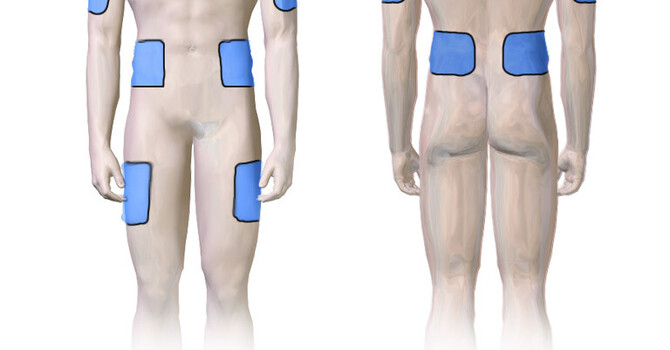
Injection Site Irritation
Mild redness or tenderness at injection sites may occur.
Headaches
Occasional headaches can occur during treatment adjustment.
Mild Fluid Retention
Some children experience temporary swelling.
Muscle or Joint Discomfort
Rapid growth may occasionally cause mild discomfort.
These symptoms are typically temporary and often improve with time or minor treatment adjustments.
Less Common Issues Providers Monitor
One reason pediatric growth therapy has maintained a strong safety record is that providers actively monitor for uncommon complications.
Blood Sugar Changes
Growth hormone naturally affects metabolism.
Families often research growth hormone therapy insulin resistance because growth hormone can temporarily influence how the body uses glucose.
Most children maintain normal blood sugar regulation throughout treatment.
Bone and Joint Concerns
Rapid growth occasionally places additional stress on bones and joints.
Providers monitor for:
- Hip pain
- Joint discomfort
- Mobility changes
Thyroid Changes
Growth can influence other hormone systems.
Periodic thyroid evaluation may be recommended.
Neurologic Symptoms
Rarely, providers monitor for symptoms discussed in growth hormone therapy brain pressure symptoms evaluations.
These events are uncommon and usually reversible when recognized early.
Why Long-Term Safety Data Is Reassuring
Parents frequently worry about treatment that lasts for years.
Fortunately, growth hormone has one of the longest safety records in pediatric endocrinology.
Research examining growth hormone treatment years duration safety has followed children for decades.
Studies generally show:
- Normal development
- Favorable safety outcomes
- Low rates of serious complications
- Good long-term tolerance
This long history of use provides valuable reassurance for families considering treatment.
Understanding Long-Term Outcomes
Safety is not simply about avoiding side effects.
Providers also evaluate whether treatment supports healthy development over time.
Research on long term outcomes growth hormone therapy children demonstrates that appropriately selected children often experience:
- Improved growth velocity
- Better height outcomes
- Healthy physical development
- Normal maturation patterns
The goal is restoration of normal growth—not enhancement beyond natural limits.
When Hormone Therapy Is Not Appropriate
Despite its benefits, treatment is not appropriate for every child.
Providers may avoid therapy when:
Growth Plates Have Closed
Once skeletal growth is complete, additional height gain is generally not possible.
No Growth Disorder Exists
Children without a medical indication may not benefit from treatment.
Another Diagnosis Explains Short Stature
Some conditions require entirely different interventions.
Risks Outweigh Potential Benefits
Every treatment decision involves individualized risk-benefit analysis.
This is why providers often discuss cost vs benefit of growth hormone therapy in a child before initiating long-term treatment.
The Importance of Individualized Treatment
No two children have identical growth patterns.
A child with:
- growth hormone deficiency
- idiopathic short stature
- constitutional growth delay
- pituitary disorders
may each require a different treatment strategy.
This individualized approach improves both effectiveness and safety.
Questions Parents Should Ask
During a child height specialist consultation, families often ask:
Why Is Treatment Being Recommended?
Understanding the diagnosis is critical.
What Monitoring Will Be Required?
Regular follow-up is a key component of safe therapy.
What Results Are Realistic?
Setting appropriate expectations improves satisfaction.
What Symptoms Should Be Reported?
Knowing what to watch for helps families participate in care.
How Long Might Treatment Continue?
The answer depends on growth potential and skeletal maturity.
Frequently Asked Questions
Is pediatric hormone therapy safe?
When medically indicated and properly monitored, it is generally considered safe.
Can treatment cause abnormal growth?
No. The goal is supporting normal growth patterns, not creating excessive growth.
Why are follow-up visits necessary?
Monitoring helps ensure treatment remains effective and safe.
Are serious side effects common?
Serious complications are uncommon when treatment is supervised appropriately.
Does treatment continue forever?
No. Therapy usually ends when growth goals are achieved or growth plates close.
The Bottom Line
The safety of pediatric hormone therapy for height depends on three essential factors:
- Accurate diagnosis
- Individualized treatment planning
- Consistent monitoring
Children receiving treatment for growth hormone deficiency, idiopathic short stature, constitutional growth delay, low IGF-1, or certain pituitary disorders benefit from structured follow-up that helps ensure therapy remains both effective and safe.
Through growth tracking, hormone monitoring, bone age assessment, developmental evaluation, and regular communication with families, pediatric growth specialists work to support healthy development while minimizing risk.
When used appropriately, hormone therapy is not about creating unnatural growth—it is about helping children reach the height and development their biology was designed to achieve.
Medically Reviewed By
Dr. Devin Stone, ND
Dr. Devin Stone is a Doctor of Naturopathic Medicine and founder of HGHforChildren.com. His clinical focus includes pediatric growth optimization, growth hormone deficiency, delayed bone age assessment, constitutional growth delay, IGF-1 evaluation, and evidence-informed therapies designed to help children maximize healthy growth potential.
References
- Pediatric Endocrine Society. Growth Hormone Treatment Guidelines.
- Growth Hormone Research Society Consensus Statement.
- Endocrine Society Clinical Practice Guidelines.
- National Institute of Diabetes and Digestive and Kidney Diseases (NIDDK).
- Hormone Research in Paediatrics.
- National Institutes of Health (NIH). Human Growth Hormone Information.
- American Academy of Pediatrics. Pediatric Endocrine Disorders.
- Grimberg A, et al. Guidelines for Growth Hormone and IGF-1 Treatment in Children and Adolescents.
Devin Stone
Contact Me