When parents begin researching treatments for slow growth, short stature, or delayed development, they often encounter unfamiliar medical terms. One of the most common is sermorelin growth hormone releasing hormone therapy in a child.
At first glance, the name sounds complicated. However, the concept is actually quite simple.
Sermorelin is not growth hormone.
Instead, it is a medication designed to encourage the body to release its own natural growth hormone. Rather than replacing a hormone from the outside, sermorelin works with the body's existing growth system and supports the natural signaling pathway responsible for healthy childhood growth.
For some children with reduced growth hormone signaling, this approach may help improve growth velocity while maintaining normal physiologic regulation.
What Is Sermorelin?
Sermorelin is a synthetic version of Growth Hormone Releasing Hormone (GHRH).
GHRH is a naturally occurring hormone produced by the hypothalamus, a region of the brain that helps regulate growth, development, metabolism, and hormone production.
Its job is simple:
Tell the pituitary gland when to release growth hormone.
When this signal is sent effectively, growth hormone is released in pulses, especially during sleep.
Parents researching Sermorelin for Children are often surprised to learn that the medication does not contain growth hormone itself.
Instead, it stimulates the body's own production.
How Growth Happens in the Body
To understand sermorelin, it helps to understand the normal growth process.
Growth occurs through a chain of hormonal signals.
Step 1: The Brain Releases GHRH
The hypothalamus produces Growth Hormone Releasing Hormone.
Step 2: The Pituitary Gland Releases Growth Hormone
The pituitary responds by producing growth hormone.
Children diagnosed with Growth Hormone Deficiency may have disruptions somewhere in this process.
Step 3: The Liver Produces IGF-1
Growth hormone signals the liver to produce IGF-1.
Children with Low IGF-1 often have reduced growth signaling despite otherwise normal development.
Step 4: Growth Plates Respond
Growth plates located at the ends of long bones receive these growth signals.
As long as growth plates remain open, bones can lengthen and height can increase.
This is why providers frequently evaluate bone age test for child height and growth hormone therapy before growth plates close when assessing treatment options.
How Sermorelin Differs From Growth Hormone Therapy
One of the biggest misconceptions parents have is assuming sermorelin and HGH are the same thing.
They are not.
Sermorelin
- Stimulates natural hormone release
- Uses the body's own feedback systems
- Supports physiologic hormone rhythms
- Relies on pituitary function
Growth Hormone Therapy
- Replaces growth hormone directly
- Provides hormone from an external source
- Does not depend on pituitary stimulation
- May be used for more significant deficiencies
Parents often compare:
- Sermorelin for Children
- HGH for Children to Grow Taller
- sermorelin vs HGH for kids height
- sermorelin vs growth hormone injections child height
The most appropriate option depends on the child's diagnosis and growth evaluation.
Why Is Sermorelin Given at Night?
Growth hormone is released primarily during sleep.
The largest growth hormone pulse typically occurs shortly after a child falls asleep.
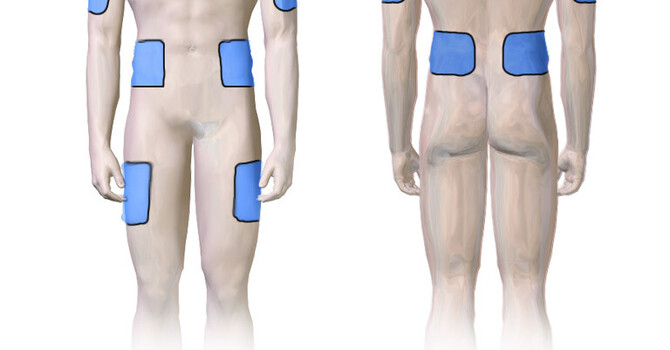
Because of this, providers usually recommend sermorelin injections nightly in children.
Administering the medication before bedtime helps align treatment with the body's natural hormone cycle.
Families interested in this topic often explore:
- sleep and growth hormone children
- does sleep help kids grow taller
- sleep optimization growth hormone therapy child
Healthy sleep and hormone signaling work together to support growth.
Which Children May Be Evaluated for Sermorelin?
Not every child who is shorter than average requires treatment.
Many children are simply late bloomers.
However, further evaluation may be appropriate when a child experiences:
- Poor Growth Velocity
- Falling height percentiles
- Delayed puberty
- Delayed skeletal maturation
- Predicted short adult height
- Slower-than-expected development
Conditions sometimes associated with reduced growth signaling include:
Growth Hormone Deficiency
The body produces insufficient growth hormone.
Constitutional Growth Delay
Children with Constitutional Growth Delay often mature later than peers but may have significant growth remaining.
Delayed Bone Age
Children with Delayed Bone Age frequently have additional years of growth potential because skeletal maturation occurs more slowly.
Delayed Puberty
Children with Delayed Puberty often experience later growth spurts and prolonged growth opportunities.
Idiopathic Short Stature
Children with Idiopathic Short Stature are significantly shorter than average despite the absence of a clear medical cause.
Pituitary Disorders
Certain Pituitary Disorders can interfere with hormone production and growth regulation.
What Does Treatment Involve?
For most children, treatment follows a relatively straightforward routine.
Typical treatment includes:
- Small nightly injections
- Consistent administration schedule
- Regular follow-up appointments
- Growth monitoring
- Periodic laboratory testing
Because growth occurs gradually, families should not expect immediate height changes.
Instead, progress is measured over months and years.
What Parents May Notice Over Time
When growth signaling improves, changes usually occur gradually.
Families may observe:
- Faster yearly growth
- Increased appetite
- Improved sleep quality
- More energy
- Better growth chart progression
- Improved confidence
Many parents find articles such as sermorelin height increase timeline, sermorelin catch-up growth in children, and sermorelin treatment duration in pediatrics helpful for understanding what realistic progress looks like.
Growth typically accumulates slowly rather than appearing suddenly.
Why Growth Plates Matter
Even when hormone signaling improves, growth can only occur while growth plates remain open.
Growth plates are areas of cartilage located near the ends of long bones.
When they eventually close:
- Height growth stops
- Bones can no longer lengthen
- Additional height gains become unlikely
This is why providers often discuss:
- growth plate closure age in children
- growth hormone therapy before growth plates close
- growth hormone therapy until growth plates close
The timing of treatment can significantly affect remaining growth opportunities.
Why a Complete Evaluation Is Essential
Two children may appear equally short but have entirely different causes for their growth pattern.
One child may have:
- Normal growth
- Delayed development
- No treatment need
Another may have:
- Reduced growth hormone signaling
- Delayed bone age
- Slowed growth velocity
This is why a comprehensive evaluation is critical.
Many parents begin by reviewing Signs Your Child May Need Growth Hormone Testing and completing a pediatric growth evaluation checklist before making treatment decisions.
Frequently Asked Questions
Is sermorelin the same as growth hormone?
No. Sermorelin stimulates natural growth hormone production, while HGH therapy directly replaces growth hormone.
Can sermorelin help children grow taller?
In selected children with open growth plates and reduced hormone signaling, it may support improved growth velocity.
Does every short child need treatment?
No. Many children simply have normal growth variations and require monitoring rather than intervention.
How long does treatment last?
Treatment duration varies depending on growth potential, diagnosis, and treatment response.
Is growth immediate?
No. Growth occurs gradually over months and years.
Why do doctors check bone age?
Bone age helps estimate remaining growth potential and determine whether growth plates are still open.
The Bottom Line
Sermorelin growth hormone releasing hormone therapy in a child works by stimulating the body's own growth hormone production rather than replacing the hormone directly.
For selected children with reduced growth signaling, this approach may support healthier growth patterns while maintaining normal physiologic regulation.
Conditions such as Growth Hormone Deficiency, Low IGF-1, Constitutional Growth Delay, Delayed Bone Age, Delayed Puberty, and Poor Growth Velocity may all contribute to slowed growth and warrant further evaluation.
The goal of treatment is not to create abnormal height.
The goal is helping children follow their natural growth trajectory and maximize the growth potential already built into their genetics.
Medically Reviewed By
Dr. Devin Stone, ND
Dr. Devin Stone is a Doctor of Naturopathic Medicine and founder of HGHforChildren.com. His clinical focus includes pediatric growth optimization, growth hormone deficiency, delayed bone age assessment, constitutional growth delay, IGF-1 evaluation, and evidence-informed therapies designed to help children maximize healthy growth potential.
References
- Pediatric Endocrine Society
- Growth Hormone Research Society
- Endocrine Society Clinical Practice Guidelines
- NIH Child Growth and Development Resources
- NIDDK
- Hormone Research in Paediatrics
- American Academy of Pediatrics
- Journal of Clinical Endocrinology & Metabolism