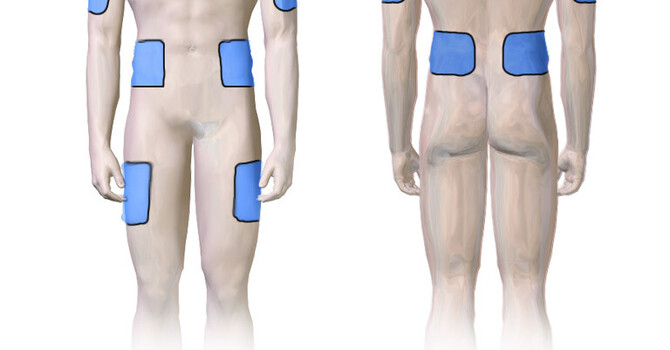
One of the first questions parents ask after starting treatment is:
"Why does my child need to take sermorelin at night?"
At first glance, it may seem like an arbitrary recommendation. After all, many medications can be taken at any convenient time during the day. However, sermorelin injections nightly in children are intentionally timed to match the body's natural growth hormone cycle.
The reason comes down to how children naturally produce growth hormone.
Unlike many hormones that remain relatively stable throughout the day, growth hormone is released in powerful bursts. The largest of these bursts typically occurs shortly after a child falls asleep. By administering sermorelin before bedtime, providers aim to support and enhance the body's normal growth hormone rhythm.
For children being evaluated for Growth Hormone Deficiency, Poor Growth Velocity, or other growth concerns, understanding why nighttime dosing matters can help families stay consistent with treatment and maximize potential benefits.
Quick Answer: Why Is Sermorelin Given at Night?
Sermorelin is typically administered before bedtime because the body naturally releases its largest growth hormone surge during deep sleep.
Taking sermorelin at night may help:
- Support natural hormone rhythms
- Enhance physiologic growth hormone release
- Improve overnight growth signaling
- Coordinate with normal sleep cycles
- Maintain healthy hormone regulation
Rather than forcing the body to grow, sermorelin works with the body's existing biology.
How Growth Hormone Is Naturally Released
Many parents assume growth hormone is produced continuously throughout the day.
In reality, growth hormone is released in pulses.
The largest pulse usually occurs during the first phase of deep sleep.
During a typical night:
- The brain releases Growth Hormone Releasing Hormone (GHRH)
- The pituitary gland responds
- Growth hormone enters circulation
- The liver produces IGF-1
- Growth signals reach bones and tissues
This process is one reason articles like sleep and growth hormone children and does sleep help kids grow taller continue to attract attention from parents concerned about height development.
Research consistently shows that healthy sleep plays a major role in normal childhood growth.
Why Sermorelin Works Best at Bedtime
Sermorelin is a synthetic version of GHRH, the same signaling molecule the brain naturally uses to stimulate growth hormone release.
Because sermorelin mimics this natural signal, providers generally recommend administering it shortly before sleep.
This allows treatment to align with the body's natural growth hormone surge.
Parents interested in understanding the science often explore sermorelin growth hormone releasing hormone therapy in a child and sermorelin stimulates natural growth hormone in kids for a more detailed explanation.
Unlike direct growth hormone injections, sermorelin works by encouraging the pituitary gland to release growth hormone naturally.
What Happens After a Nightly Injection?
Once the injection is administered, a sequence of biologic events begins.
Step 1: Brain Receives the Signal
Sermorelin acts similarly to naturally produced GHRH.
Step 2: Pituitary Releases Growth Hormone
The pituitary gland responds by increasing growth hormone secretion.
Children with Growth Hormone Deficiency may have impaired signaling within this pathway, which is why further evaluation is sometimes necessary.
Step 3: IGF-1 Production Increases
Growth hormone stimulates the liver to produce IGF-1.
Children with Low IGF-1 may have reduced growth signaling that contributes to slower growth patterns.
Step 4: Growth Signals Reach Growth Plates
The body's growth centers receive signals that support healthy growth and development.
For children with open growth plates, these signals may contribute to ongoing height growth.
Why Sleep Quality Matters During Treatment
The effectiveness of sermorelin is closely tied to healthy sleep habits.
Even though the medication provides a growth signal, the body still relies on normal sleep physiology to optimize hormone release.
This is why many pediatric growth specialists emphasize sleep hygiene alongside treatment.
Helpful habits include:
- Consistent bedtime routines
- Dark sleeping environments
- Limiting screens before bed
- Maintaining adequate sleep duration
- Avoiding excessive caffeine
Families often learn more about these strategies through articles such as sleep optimization growth hormone therapy child, how to help children grow taller naturally, and height maximizing strategies pediatrics.
Good sleep and effective treatment often work together.
Does Taking Sermorelin Earlier Reduce Effectiveness?
Parents occasionally ask whether injections can be given immediately after school or in the late afternoon.
While occasional timing adjustments are usually not problematic, consistently administering sermorelin far earlier than bedtime may reduce its ability to align with the body's natural hormone rhythm.
Because growth hormone peaks during sleep, bedtime administration remains the preferred approach for most children.
Consistency is generally more important than achieving a perfect minute-by-minute schedule.
Which Children May Be Candidates for Sermorelin?
Not every child with short stature requires treatment.
Many children simply grow at their own pace.
However, further evaluation may be considered in children with:
- Growth Hormone Deficiency
- Idiopathic Short Stature
- Poor Growth Velocity
- Constitutional Growth Delay
- Delayed Bone Age
- Delayed Puberty
- Low IGF-1
- Certain Pituitary Disorders
Parents frequently begin the evaluation process after reading Signs Your Child May Need Growth Hormone Testing or noticing that their child is significantly shorter than peers.
Why Growth Plates Still Matter
Even when growth hormone signaling improves, height increases are only possible if growth plates remain open.
This is why providers frequently monitor:
- Bone age
- Puberty progression
- Skeletal maturity
- Growth velocity
Families often learn more from articles such as growth hormone therapy before growth plates close and bone age test for child height.
Once growth plates close, additional height gains become unlikely regardless of hormone levels.
How Long Does Nightly Treatment Continue?
Many families wonder how long nightly injections remain part of the treatment plan.
The answer depends on:
- Remaining growth potential
- Growth plate status
- Puberty timing
- Treatment response
- Underlying diagnosis
Children may remain on therapy for months or several years depending on their individual circumstances.
Parents often explore sermorelin treatment duration in pediatrics and sermorelin height increase timeline to understand what long-term treatment may involve.
Sermorelin vs HGH: Does Timing Matter for Both?
Parents comparing therapies often ask whether timing is important for both treatments.
In many cases, yes.
Both sermorelin and growth hormone therapies are frequently administered at night because they aim to work alongside the body's natural growth physiology.
Families researching options often compare:
- Sermorelin for Children
- HGH for Children to Grow Taller
- sermorelin vs HGH for kids height
- sermorelin vs growth hormone injections child height
The most appropriate option depends on a child's specific diagnosis and growth evaluation.
Frequently Asked Questions
Why is sermorelin given before bed?
Because growth hormone is naturally released during deep sleep, bedtime dosing helps align treatment with the body's normal hormone cycle.
Can my child take sermorelin earlier in the day?
Occasional schedule adjustments are usually acceptable, but bedtime remains the preferred timing.
Does sleep really affect height growth?
Yes. Sleep is one of the most important factors influencing growth hormone production and childhood growth.
What happens if a dose is missed?
Parents should follow the guidance of their healthcare provider regarding missed doses.
Is consistency important?
Yes. Consistent nightly dosing helps maintain stable hormone signaling patterns over time.
How soon do children see results?
Height changes occur gradually. Families often notice progress over months rather than weeks.
The Bottom Line
The reason sermorelin injections nightly in children are given at bedtime is simple: the body naturally releases most of its growth hormone during sleep.
By timing treatment to coincide with this natural hormone surge, sermorelin works with the body's physiology rather than against it.
Combined with healthy sleep habits, appropriate evaluation, and consistent treatment, bedtime dosing helps support the natural growth processes that occur throughout childhood and adolescence.
Medically Reviewed By
Dr. Devin Stone, ND
Dr. Devin Stone is a Doctor of Naturopathic Medicine and founder of HGHforChildren.com. His clinical focus includes pediatric growth optimization, growth hormone deficiency, delayed bone age assessment, constitutional growth delay, IGF-1 evaluation, and evidence-informed therapies designed to help children maximize healthy growth potential.
References
- Pediatric Endocrine Society
- Endocrine Society Clinical Practice Guidelines
- Growth Hormone Research Society
- NIH Child Growth Resources
- NIDDK
- Hormone Research in Paediatrics
- American Academy of Pediatrics
- Journal of Clinical Endocrinology & Metabolism