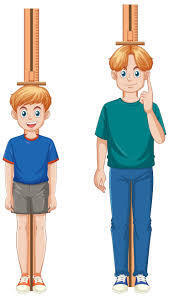
Few things worry parents more than watching their child grow noticeably slower than classmates.
Many families first become concerned when a child appears smaller than peers, experiences a height percentile drop, or seems to be following a different developmental timeline than other children their age.
When these concerns arise, parents often begin researching treatment options and may come across information about Sermorelin therapy for pediatric growth delay.
Sermorelin is not growth hormone itself. Instead, it works by stimulating the body's natural production of growth hormone through the normal hormone signaling pathway.
For certain children, this may help improve growth velocity and support healthier growth patterns while maintaining natural hormone regulation.
Understanding what pediatric growth delay is, why it occurs, and how Sermorelin may fit into treatment can help parents make informed decisions about their child's development.
What Is Pediatric Growth Delay?
Pediatric growth delay describes a situation in which a child's growth rate is slower than expected based on age, sex, and family genetics.
A child does not necessarily need to be extremely short to have a growth concern.
In many cases, the earliest warning sign is a change in growth velocity rather than current height.
Common signs may include:
- Slower-than-expected annual growth
- Falling growth percentiles
- Delayed physical development
- Appearing younger than peers
- Delayed puberty
- Short stature compared with family expectations
Many parents begin seeking answers after wondering:
These concerns are often appropriate reasons to pursue a growth evaluation.
What Causes Growth Delay?
Not every child with delayed growth has the same diagnosis.
Several conditions may contribute to slow growth in children, including:
- constitutional growth delay
- idiopathic short stature
- growth hormone deficiency
- low IGF-1 levels
- delayed puberty
- pituitary disorders
- nutritional deficiencies
- chronic medical conditions
Some children are simply a late bloomer child and eventually catch up naturally.
Others may have reduced hormone signaling that affects growth velocity.
Determining the underlying cause is one of the most important parts of pediatric growth medicine.
How Normal Growth Happens
Height growth depends on a complex hormone pathway.
Step 1: The Brain Releases GHRH
The hypothalamus produces Growth Hormone Releasing Hormone (GHRH).
Step 2: The Pituitary Releases Growth Hormone
The pituitary gland responds by releasing growth hormone.
Step 3: The Liver Produces IGF-1
Growth hormone stimulates production of IGF-1.
Step 4: Growth Plates Respond
IGF-1 acts on growth plates and supports bone lengthening.
Disruptions anywhere within this pathway may affect growth.
What Is Sermorelin?
Sermorelin is a synthetic version of Growth Hormone Releasing Hormone.
Rather than providing growth hormone directly, it stimulates the pituitary gland to release the body's own growth hormone.
Because it works through natural hormone pathways, many families researching growth delay treatment are interested in Sermorelin as a physiologic approach to supporting growth.
Potential benefits include:
- Supporting natural growth hormone release
- Preserving hormone feedback regulation
- Improving growth hormone signaling
- Supporting healthy growth patterns
- Enhancing nighttime growth hormone pulses
Why Stimulation May Help Certain Children
Some children do not have complete growth hormone deficiency.
Instead, they may have reduced growth hormone signaling.
In these situations, the pituitary gland retains the ability to produce growth hormone but may not release optimal amounts consistently.
For these children, stimulating natural production may help improve:
- Growth velocity
- IGF-1 production
- Growth chart progression
- Developmental timing
This is one reason Sermorelin for children may be considered before direct hormone replacement in select cases.
How Sermorelin Differs From Growth Hormone Therapy
Parents frequently compare Sermorelin and HGH.
While both target growth, they work differently.
| Sermorelin | Growth Hormone Therapy |
|---|---|
| Stimulates natural hormone release | Supplies hormone directly |
| Requires functioning pituitary gland | Works despite deficiency |
| Maintains hormone feedback regulation | Dose controls hormone levels |
| Supports physiologic hormone rhythms | Direct hormone replacement |
| Encourages natural production | Replaces production |
Families comparing Sermorelin vs HGH for kids height often learn that treatment selection depends primarily on the cause of growth delay.
Who May Be Considered for Sermorelin Therapy?
A child may be evaluated for Sermorelin if they demonstrate:
Reduced Growth Velocity
Children experiencing poor growth velocity may warrant further investigation.
Delayed Developmental Timing
Children with delayed maturation sometimes retain significant growth potential.
Predicted Adult Height Below Expectations
Growth projections may suggest future height concerns.
Open Growth Plates
Significant growth opportunity must remain.
Functional Pituitary Gland
The pituitary must be capable of responding to stimulation.
Evaluation helps determine whether growth hormone stimulation or observation is the most appropriate path.
What Treatment Typically Involves
Sermorelin therapy usually consists of:
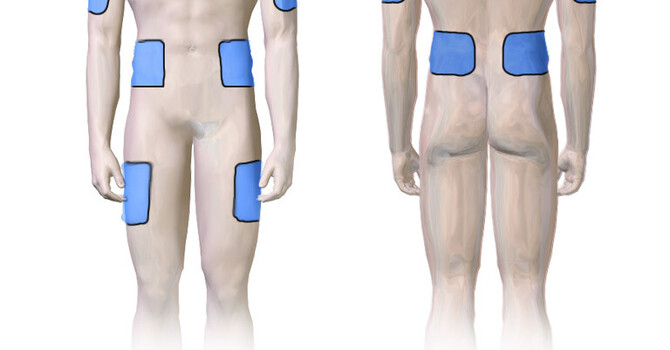
- Small subcutaneous injections
- Evening administration
- Long-term consistency
- Regular follow-up monitoring
Nighttime dosing is commonly used because natural growth hormone release occurs primarily during sleep.
Families frequently ask about pediatric Sermorelin treatment results, but it is important to understand that growth occurs gradually over time.
What Parents May Notice During Treatment
The first signs of improvement are often subtle.
Most children do not experience dramatic overnight changes.
Instead, families may notice:
Improved Annual Growth Rate
Growth velocity often improves before major height changes become obvious.
Better Sleep Quality
Growth hormone secretion is closely tied to sleep.
Increased Appetite
Growing children often require more calories.
Improved Growth Monitoring Results
Providers may observe healthier growth trends over time.
Movement Upward on Growth Charts
Children may gradually improve their position on growth curves.
These changes are typically measured over months and years rather than weeks.
Why Bone Age Testing Matters
One of the most important tools used during a growth evaluation for kids is a bone age assessment.
A bone age test helps determine:
- Skeletal maturity
- Growth plate status
- Remaining growth potential
- Predicted adult height
Children with delayed bone age often have additional growth opportunity available.
This information frequently influences treatment recommendations.
Why Early Evaluation Is Important
One of the most important concepts in pediatric endocrinology is timing.
Growth potential decreases as growth plates mature.
Once growth plate closure occurs, meaningful height gains become extremely limited.
This is why families should not ignore ongoing pediatric growth concerns, especially when a child:
- Falls off growth curves
- Grows slowly
- Demonstrates delayed puberty
- Shows signs of hormone imbalance
Early evaluation often provides more opportunities for monitoring and treatment.
Frequently Asked Questions
Does every child with growth delay need treatment?
No. Some children simply mature later than peers and require monitoring rather than intervention.
What is the first sign treatment may be working?
Improved growth velocity is often the earliest measurable change.
How quickly does Sermorelin work?
Most improvements develop gradually over months and years.
Can Sermorelin help all short children?
No. Results depend on the cause of growth delay, hormone function, and remaining growth potential.
Is growth delay always caused by hormone problems?
No. Growth delay may result from genetics, constitutional growth delay, nutritional factors, or other medical conditions.
The Bottom Line
Sermorelin therapy for pediatric growth delay works by stimulating the body's natural production of growth hormone rather than replacing hormone directly.
For children with reduced growth signaling—but not complete growth hormone deficiency—this approach may help improve growth velocity, support healthy development, and encourage more normal growth patterns over time.
The most important step is identifying why growth has slowed.
Through growth chart review, bone age assessment, hormone testing, and ongoing growth monitoring, providers can determine whether observation, Sermorelin therapy, or another treatment approach is most appropriate.
Early evaluation remains one of the best ways to preserve growth potential while growth plates remain open.
Medically Reviewed By
Dr. Devin Stone, ND
Dr. Devin Stone is a Doctor of Naturopathic Medicine and founder of HGHforChildren.com. His clinical focus includes pediatric growth optimization, short stature evaluation, growth hormone signaling, delayed bone age assessment, constitutional growth delay, IGF-1 evaluation, and evidence-informed therapies designed to help children maximize healthy growth potential.
References
Grimberg A, DiVall SA, Polychronakos C, et al. Guidelines for Growth Hormone and IGF-I Treatment in Children. Hormone Research in Paediatrics.
Growth Hormone Research Society. Consensus Guidelines for Pediatric Growth Disorders.
American Academy of Pediatrics. Evaluation and Management of Short Stature in Children.
National Institute of Diabetes and Digestive and Kidney Diseases (NIDDK). Growth Disorders and Growth Hormone Deficiency.
National Institutes of Health (NIH). Pediatric Endocrinology and Growth Assessment Resources.