When parents begin researching treatment options for a child with short stature, one of the most common questions they ask is:
"Is Sermorelin safe for children?"
This is an important question and one that deserves a detailed answer.
Any treatment involving growth hormone signaling should be approached carefully, particularly when a child is still growing and developing. Parents naturally want reassurance that a therapy is not only effective but also safe for long-term use.
Sermorelin has been used in pediatric endocrinology as a way to support the body's natural growth hormone production rather than replacing growth hormone directly. Because it works through normal physiologic pathways, many providers view it differently than traditional growth hormone replacement therapy.
However, like any medical treatment, proper evaluation, monitoring, and follow-up remain essential.
In this guide, we'll discuss how Sermorelin works, why monitoring is important, common side effects, long-term safety considerations, and what parents should know before starting therapy.
What Is Sermorelin?
Sermorelin is a synthetic version of Growth Hormone Releasing Hormone (GHRH), the natural hormone produced by the brain that signals the pituitary gland to release growth hormone.
Under normal circumstances, the body follows a carefully regulated pathway:
- The hypothalamus releases GHRH
- The pituitary gland releases growth hormone
- The liver produces IGF-1
- Growth plates respond to IGF-1 signaling
- Bones lengthen and children grow taller
Sermorelin supports the first step of this process by encouraging natural growth hormone release.
Unlike direct growth hormone therapy, Sermorelin does not replace hormone levels from outside the body. Instead, it stimulates the body's own production and works through normal feedback mechanisms.
Parents interested in learning more about Sermorelin for children often appreciate that the therapy supports natural hormone production rather than overriding the body's regulatory systems.
Why Parents Often Ask About Safety
Growth is one of the most important developmental processes occurring during childhood.
When a child is being evaluated for poor growth velocity, growth hormone deficiency, or idiopathic short stature, parents understandably want to know:
- Will treatment affect normal development?
- Could it cause hormone imbalances?
- Are there long-term risks?
- Is monitoring required?
These are appropriate questions and should be discussed thoroughly before beginning treatment.
Fortunately, when properly prescribed and monitored, Sermorelin has generally demonstrated a favorable safety profile.
How Sermorelin Works Within the Body's Natural Feedback System
One reason many clinicians consider Sermorelin physiologic is because the body maintains control over hormone release.
When the pituitary gland receives a signal from Sermorelin, it still determines how much growth hormone is released.
This differs from directly administering growth hormone.
Because natural regulatory systems remain active, hormone levels generally stay within physiologic ranges.
This is one reason many providers prefer a comprehensive evaluation before deciding whether a child may benefit from HGH for children to grow taller or a growth hormone–stimulating therapy.
Why Monitoring Is Essential During Treatment
Even though Sermorelin works through natural pathways, routine monitoring remains critical.
Regular follow-up allows providers to evaluate:
- Growth progression
- Height velocity
- Weight changes
- Pubertal development
- Bone maturation
- IGF-1 levels
- Treatment response
Monitoring helps ensure that growth remains proportional and age-appropriate.
Children receiving therapy are commonly evaluated every few months to assess progress and determine whether treatment goals are being achieved.
Reviewing growth chart percentiles over time helps providers understand whether growth is improving as expected.
The Importance of Bone Age Monitoring
One of the most important tools used during pediatric growth assessment is a bone age test.
Bone age evaluates skeletal maturity using an X-ray of the hand and wrist.
Monitoring bone age can help determine:
- Remaining growth potential
- Growth plate status
- Predicted adult height
- Whether growth is occurring appropriately
Children with delayed bone age often have additional growth potential remaining, making this information valuable when evaluating treatment response.
Providers frequently compare changes in bone age with changes in growth velocity to ensure healthy development.
Common Mild Side Effects of Sermorelin
Most children tolerate Sermorelin well.
However, as with any medication, some mild side effects may occur.
These can include:
Injection Site Reactions
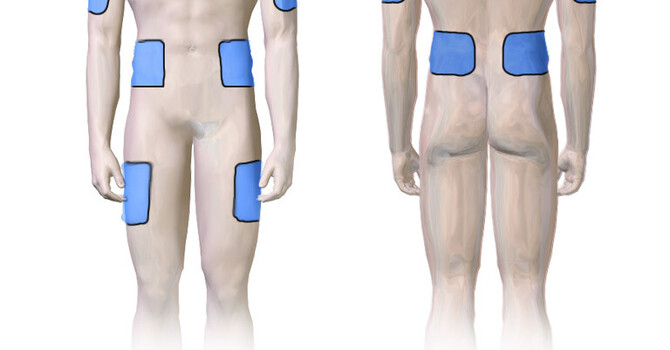
The most common complaint is mild redness, irritation, or soreness at the injection site.
These symptoms are typically temporary and improve quickly.
Mild Headaches
Some children report occasional headaches when starting therapy.
These are usually short-lived and often resolve without intervention.
Temporary Flushing
A brief sensation of warmth or facial flushing may occasionally occur.
Mild Restlessness
Some children experience temporary changes in sleep patterns during the initial adjustment period.
In most cases, these effects are mild and self-limited.
Rare Symptoms That Should Be Reported
Although uncommon, certain symptoms should prompt evaluation by a healthcare provider.
Parents should contact their provider if a child experiences:
- Persistent headaches
- Significant vision changes
- Unusual swelling
- Ongoing joint discomfort
- Changes in balance or coordination
- New neurologic symptoms
While these events are rare, early communication helps ensure appropriate assessment.
Long-Term Safety Considerations
One of the most important questions families ask is whether long-term therapy is safe.
The goal of treatment is not simply increasing height.
The goal is supporting healthy, proportional development.
Providers therefore monitor several important factors throughout treatment.
Growth Velocity
Improved growth should occur at a healthy pace.
Monitoring child growing less than 2 inches per year concerns often helps determine whether intervention is appropriate.
Bone Maturation
Rapid advancement of skeletal age can reduce future growth potential.
Regular monitoring helps ensure growth remains balanced.
Developmental Timing
Providers carefully assess for signs of delayed puberty or unusually accelerated development.
IGF-1 Levels
Children with low IGF-1 levels may benefit from monitoring to ensure growth signaling remains within expected ranges.
These measurements help guide treatment decisions and maintain safety.
Who May Not Be a Candidate for Sermorelin?
Not every child with short stature is an ideal candidate.
Treatment may be less appropriate when:
- Growth plates have closed
- Significant medical conditions explain growth failure
- Severe pituitary dysfunction is present
- Alternative diagnoses better explain symptoms
Children with certain pituitary disorders may require a different treatment approach.
Likewise, children diagnosed with true growth hormone deficiency may require different evaluation and management strategies.
This is why a complete pediatric growth assessment is essential before starting therapy.
Why Early Evaluation Improves Outcomes
One of the most common mistakes families make is waiting too long to investigate growth concerns.
Parents sometimes assume their child will eventually catch up.
While this can occur in children with constitutional growth delay, waiting may reduce available treatment options.
Children who are experiencing:
- Slow growth velocity
- Significant short stature
- Delayed puberty
- Low IGF-1 levels
- Delayed bone age
should be evaluated promptly.
The earlier growth concerns are identified, the more opportunities exist to optimize outcomes before growth plates begin closing.
Parents who wonder is my child too short for their age should seek evaluation rather than relying solely on comparison with classmates.
Likewise, concerns such as why is my child the shortest in class often warrant a comprehensive growth assessment.
Frequently Asked Questions
Is Sermorelin FDA-approved for children?
Sermorelin has historically been used within pediatric endocrinology to support growth hormone release, though treatment decisions should always be individualized and supervised by a qualified healthcare provider.
Is Sermorelin safer than growth hormone?
They are different therapies that work through different mechanisms. Determining which approach is appropriate depends on the child's diagnosis and clinical evaluation.
Does every child with short stature need treatment?
No. Some children simply require monitoring and reassurance.
For example, children with constitutional growth delay often continue growing later than their peers and may ultimately achieve normal adult height.
Can Sermorelin be used if a child has idiopathic short stature?
In selected cases, children with idiopathic short stature may be candidates for therapy following appropriate evaluation.
When should parents seek growth hormone testing?
Parents concerned about growth should review the signs your child may need growth hormone testing and consider a professional evaluation if concerns are present.
The Bottom Line
Many parent wonder how tall will my child be? When parents research Sermorelin therapy safety pediatric considerations, the most important takeaway is that treatment should always occur under professional supervision with ongoing monitoring.
Sermorelin works by supporting the body's natural growth hormone release rather than replacing growth hormone directly. Because it functions through normal physiologic pathways, providers focus on monitoring growth velocity, developmental progress, bone age, and hormone signaling to ensure healthy outcomes.
For appropriately selected children, therapy may help support healthy growth while maintaining normal developmental patterns.
If you have concerns about your child's growth, height, growth chart progression, bone age, puberty, or growth hormone signaling, a comprehensive pediatric growth evaluation can help determine the most appropriate next steps.
Medically Reviewed By
Dr. Devin Stone, ND
Dr. Devin Stone is a Doctor of Naturopathic Medicine and founder of HGHforChildren.com. His clinical focus includes pediatric growth optimization, short stature evaluation, growth hormone signaling, delayed bone age assessment, constitutional growth delay, IGF-1 evaluation, and evidence-informed therapies designed to help children maximize healthy growth potential.
References
Grimberg A, DiVall SA, Polychronakos C, et al. Guidelines for Growth Hormone and IGF-I Treatment in Children. Hormone Research in Paediatrics.
Growth Hormone Research Society. Consensus Guidelines for Pediatric Growth Disorders.
American Academy of Pediatrics. Evaluation and Management of Short Stature in Children.
National Institute of Diabetes and Digestive and Kidney Diseases (NIDDK). Growth Disorders and Growth Hormone Deficiency.
National Institutes of Health (NIH). Pediatric Endocrinology and Growth Assessment Resources.
Devin Stone
Contact Me