One of the most common questions parents ask when they notice their child growing more slowly than expected is whether they are eating enough protein. Since protein is often associated with building muscle, many families also wonder if eating more protein can help children grow taller.
The answer is both simple and more nuanced than many people expect.
Protein is absolutely essential for normal childhood growth. Every new bone cell, muscle fiber, enzyme, hormone, organ, and connective tissue in the body requires amino acids—the building blocks of protein—to develop properly. Without adequate protein intake, children cannot achieve healthy growth and development.
However, eating excessive amounts of protein will not make a healthy child exceed the height determined by their genetics. Height is influenced by many factors working together, including nutrition, genetics, sleep, hormones, overall health, puberty, and the health of the growth plates.
Understanding where protein fits into this process helps parents make informed decisions while avoiding many of the myths found online.
In this comprehensive guide, you'll learn:
- How protein supports healthy childhood growth
- Whether protein can help children grow taller
- How much protein children actually need
- The best dietary protein sources
- Signs of protein deficiency
- When slow growth may require more than nutritional changes
Quick Answer: Does Protein Affect a Child's Growth Rate?
Yes—but protein is one part of a much larger picture.
Protein provides the amino acids necessary for building every growing tissue in the body. Children who do not consume enough protein may experience slower growth, poor muscle development, delayed healing, and other health problems.
On the other hand, children who already receive enough protein will not grow taller simply by eating more of it.
Protein helps children reach their genetic growth potential—it does not increase that potential beyond what their genes allow.
Why Protein Is Essential for Growing Children
During childhood, the body is constantly creating new tissue.
Bones become longer.
Muscles become stronger.
Organs continue developing.
The immune system matures.
Hormones regulate growth and puberty.
Every one of these processes depends on adequate protein intake.
Unlike carbohydrates and fats, protein supplies amino acids that serve as the raw materials needed to build and repair body tissues.
This is why children generally require proportionally more protein than adults relative to their body size.
Without enough dietary protein, the body simply cannot keep up with the rapid demands of childhood growth.
How Children Actually Grow
Many parents think growth occurs only in the bones, but healthy height development is much more complex.
Growth depends on several systems working together simultaneously.
These include:
- Healthy growth plates
- Growth hormone production
- IGF-1 signaling
- Adequate nutrition
- Normal thyroid hormone levels
- Healthy sleep
- Regular physical activity
- Good overall health
Protein supports nearly every one of these systems.
It helps produce enzymes involved in metabolism, forms structural proteins within bones and muscles, supports immune function, and provides the amino acids needed to produce many hormones involved in growth.
This explains why pediatric specialists evaluate a child's nutritional status as part of every comprehensive growth assessment.
Protein and Bone Growth
Bones are often thought of as being made entirely of calcium.
In reality, bone is a living tissue composed of both minerals and protein.
Collagen—the primary structural protein within bone—forms the framework upon which calcium and phosphorus are deposited.
Without adequate protein:
- Bone formation slows.
- Bone strength may decrease.
- Growth plate activity may be impaired.
- Overall skeletal development may suffer.
Protein therefore works together with calcium, vitamin D, magnesium, phosphorus, and other nutrients to support healthy bone growth.
No single nutrient works alone.
Protein and Growth Hormone
Many parents ask whether eating more protein increases growth hormone.
The answer is partially true—but often misunderstood.
Growth hormone is produced by the pituitary gland and released naturally throughout childhood, especially during deep sleep.
Protein does not directly force the pituitary gland to produce dramatically higher levels of growth hormone.
Instead, adequate protein allows the body to respond normally to growth hormone once it has been released.
Protein also helps support healthy production of IGF-1 (Insulin-Like Growth Factor-1), one of the body's most important growth-signaling molecules.
Growth hormone stimulates the liver and other tissues to produce IGF-1.
IGF-1 then travels throughout the body and stimulates growth plate cartilage, encouraging bones to lengthen during childhood.
If a child is significantly malnourished or protein deficient, IGF-1 levels may decline, even when growth hormone production remains relatively normal.
This is one reason nutrition plays such an important role in healthy childhood development.
Essential Amino Acids: The Building Blocks of Growth
Proteins are made from smaller compounds called amino acids.
Nine of these amino acids are considered "essential," meaning children must obtain them from food because the body cannot produce enough on its own.
These amino acids support:
- Bone development
- Muscle growth
- Organ development
- Hormone production
- Enzyme production
- Tissue repair
- Immune function
High-quality dietary protein provides these amino acids in the right balance to support normal growth.
Animal-based proteins generally contain all essential amino acids, while many plant-based proteins can also provide complete nutrition when eaten as part of a varied diet.
How Much Protein Do Children Need?
Fortunately, most healthy children eating a balanced diet obtain enough protein without needing supplements.
Approximate daily protein recommendations include:
| Age | Recommended Daily Protein |
|---|---|
| 1–3 years | 13 grams |
| 4–8 years | 19 grams |
| 9–13 years | 34 grams |
| Girls 14–18 years | 46 grams |
| Boys 14–18 years | 52 grams |
These recommendations represent average daily needs for healthy children.
Protein requirements may be higher during:
- Rapid growth spurts
- Competitive athletics
- Recovery from illness
- Certain chronic medical conditions
Families should avoid assuming that "more is always better." Most children in developed countries already consume adequate protein for healthy growth.
Can Eating More Protein Make a Child Grow Taller?
This is perhaps the biggest misconception surrounding childhood nutrition.
If a child is protein deficient, increasing protein intake may help restore normal growth.
However, once protein needs are met, additional protein does not continue increasing height.
Think of protein as providing the building materials needed to construct a house.
Once all the necessary materials are available, delivering extra truckloads of lumber does not make the house larger than the blueprint allows.
Similarly, protein allows children to reach their genetically programmed height but cannot override genetics, growth plate biology, or hormonal regulation.
This distinction is important because many internet advertisements promote high-protein supplements as "height boosters" despite a lack of scientific evidence supporting those claims.
Key Takeaways
Protein is one of the most important nutrients for healthy childhood growth because it supports bone formation, muscle development, hormone production, tissue repair, and normal growth plate function.
However, protein should be viewed as one component of overall healthy growth—not a miracle nutrient capable of dramatically increasing height.
Children grow best when adequate protein is combined with balanced nutrition, healthy sleep, regular physical activity, normal hormone function, and appropriate medical care when needed.
In the next section, we'll explore the best protein-rich foods for growing children, compare animal and plant proteins, discuss signs of protein deficiency, examine whether protein shakes are beneficial, and explain when poor growth may indicate an underlying medical condition rather than a nutritional problem.
The Best Protein Sources for Growing Children
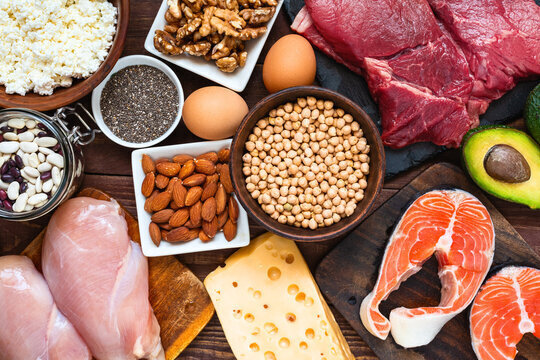
Not all protein sources provide the same nutritional value. While almost all protein-containing foods contribute to a healthy diet, some offer a more complete package of amino acids, vitamins, minerals, and healthy fats that support normal childhood growth.
The goal is not simply to increase protein intake but to provide children with a wide variety of nutrient-dense foods that support overall development.
Animal-Based Protein Sources
Animal proteins are considered "complete proteins" because they naturally contain all nine essential amino acids in optimal amounts.
Excellent choices include:
Eggs
Eggs are one of the highest-quality protein sources available for children.
They also provide:
- Choline for brain development
- Vitamin D
- Vitamin B12
- Selenium
- Healthy fats
Because eggs are affordable and versatile, they make an excellent breakfast or snack option for growing children.
Chicken and Turkey
Lean poultry provides high-quality protein while remaining relatively low in saturated fat.
Chicken and turkey also contain:
- Niacin
- Vitamin B6
- Phosphorus
- Selenium
These nutrients help support energy production and tissue growth.
Fish
Fish provides complete protein while also supplying omega-3 fatty acids that support brain development and overall health.
Excellent choices include:
- Salmon
- Trout
- Sardines
- Cod
Fatty fish also provide vitamin D, an important nutrient for healthy bone development.
Lean Beef
Lean beef supplies:
- Complete protein
- Iron
- Zinc
- Vitamin B12
Iron and zinc deficiencies have both been associated with impaired childhood growth in some children, making lean beef a valuable part of a balanced diet when consumed in appropriate portions.
Dairy Products
Milk, Greek yogurt, cottage cheese, and cheese provide both protein and calcium.
This combination supports:
- Bone mineralization
- Muscle development
- Growth plate function
For many children, dairy remains one of the easiest ways to consume protein throughout the day.
Plant-Based Protein Sources
Children following vegetarian or plant-focused diets can absolutely meet their protein needs with appropriate meal planning.
Excellent options include:
- Lentils
- Black beans
- Chickpeas
- Kidney beans
- Edamame
- Tofu
- Tempeh
- Quinoa
- Hemp seeds
- Chia seeds
- Pumpkin seeds
- Peanut butter
- Almond butter
Many plant proteins are also rich in fiber, antioxidants, vitamins, and minerals that contribute to overall health.
A varied diet ensures children receive all essential amino acids over the course of the day.
Animal Protein vs Plant Protein: Is One Better?
Parents frequently ask whether animal protein is superior for growth.
The answer depends on the child's overall diet.
| Animal Protein | Plant Protein |
|---|---|
| Complete amino acid profile | Often rich in fiber |
| Highly digestible | Lower saturated fat |
| Rich in vitamin B12 | High in antioxidants |
| Provides heme iron | Supports gut health |
| Often higher zinc absorption | Environmentally sustainable |
For most children, both animal and plant protein can contribute to healthy growth.
The emphasis should be on dietary variety rather than choosing one exclusively.
Can Protein Shakes Help Children Grow?
Protein shakes are heavily marketed to parents and young athletes, but they are rarely necessary for healthy children.
Most children easily meet their daily protein needs through regular meals.
Protein powders should never replace nutritious foods like:
- Eggs
- Dairy
- Fish
- Poultry
- Beans
- Nuts
- Whole grains
Medical protein supplementation may occasionally be recommended for children with certain illnesses or nutritional challenges, but this decision should always be guided by a healthcare professional.
For healthy children, real food remains the best source of protein.
What Happens If a Child Doesn't Eat Enough Protein?
Protein deficiency is relatively uncommon in developed countries but can occur in children with:
- Extremely selective eating habits
- Eating disorders
- Severe food allergies
- Gastrointestinal disorders
- Chronic illnesses
- Malabsorption syndromes
Protein deficiency may contribute to:
- Poor weight gain
- Slow growth
- Muscle loss
- Delayed wound healing
- Frequent infections
- Fatigue
- Reduced physical performance
Severe protein deficiency can significantly impair normal childhood development.
Fortunately, early identification and appropriate nutritional support often allow children to recover well.
Can Too Much Protein Be Harmful?
Another common misconception is that more protein always produces better growth.
In reality, excessive protein intake has not been shown to increase adult height in otherwise healthy children.
Instead, diets extremely high in protein may:
- Reduce intake of fruits and vegetables
- Replace important carbohydrates
- Increase unnecessary calories
- Lead families to spend money on supplements that provide little additional benefit
Balance is far more important than excess.
Protein Is Only One Part of Healthy Growth
Parents sometimes become discouraged when they improve their child's diet yet see little change in height.
That's because nutrition alone cannot correct every cause of slow growth.
A child may consume an excellent diet yet still experience reduced growth because of:
- Growth Hormone Deficiency
- Low IGF-1
- Poor Growth Velocity
- Constitutional Growth Delay
- Delayed Bone Age
- Thyroid disorders
- Delayed puberty
- Chronic medical conditions
- Certain genetic conditions
This is why pediatric specialists evaluate much more than nutrition when investigating growth concerns.
Other Lifestyle Factors That Work Together With Protein
Protein is only one component of a healthy growth environment.
Children also benefit from:
Adequate Sleep
Deep sleep is when the body naturally releases the greatest amount of growth hormone.
Poor sleep habits may reduce the body's normal growth hormone secretion over time.
Regular Physical Activity
Running, jumping, climbing, and outdoor play help strengthen bones and muscles while promoting overall health.
Exercise does not directly make children taller, but it supports normal skeletal development.
Balanced Nutrition
Healthy growth depends upon many nutrients working together.
Protein should always be consumed alongside:
- Calcium
- Vitamin D
- Zinc
- Iron
- Magnesium
- Healthy fats
- Fruits
- Vegetables
- Whole grains
No single nutrient can replace the others.
Practical Tips for Parents
If you're trying to optimize your child's nutrition, focus on sustainable eating habits rather than restrictive diets or expensive supplements.
Helpful strategies include:
- Include protein with every meal.
- Offer a variety of protein sources throughout the week.
- Limit highly processed snack foods.
- Encourage family meals whenever possible.
- Make breakfast a priority.
- Keep healthy snacks readily available.
- Pair protein with fruits and vegetables.
- Avoid forcing children to finish every meal.
- Encourage regular physical activity.
- Maintain consistent bedtime routines.
Small daily habits often produce far greater long-term benefits than dramatic dietary changes.
Key Takeaways
Protein is one of the most important nutrients for healthy childhood growth because it provides the amino acids needed to build bones, muscles, hormones, and other tissues.
However, protein is not a miracle solution for short stature.
Children who already receive enough dietary protein generally will not grow taller simply by increasing their intake further.
When growth concerns persist despite excellent nutrition, families should consider a comprehensive medical evaluation to determine whether hormonal, genetic, developmental, or other medical factors may be contributing to slow growth.
When Should Parents Be Concerned About Slow Growth?
Although protein is an essential nutrient for healthy childhood development, it is important to recognize when nutrition alone may not explain a child's slow growth.
Many children who consume balanced diets and adequate protein still experience slower-than-expected height gain because another underlying factor is affecting their growth.
Rather than focusing only on how tall a child is today, pediatric growth specialists look at the child's entire growth pattern over many years.
Signs Your Child May Need a Growth Evaluation
Parents should consider discussing their child's growth with a healthcare provider if their child:
- Has grown less than expected over the past year.
- Continues dropping on the growth chart.
- Is significantly shorter than classmates or siblings with similar genetics.
- Has delayed puberty.
- Has poor weight gain along with slow height growth.
- Frequently complains of fatigue or low energy.
- Has chronic digestive symptoms.
- Was born small for gestational age and has not experienced catch-up growth.
- Has a family history of hormone disorders or genetic syndromes.
One or two of these findings does not necessarily indicate a serious medical problem, but they do warrant further discussion with a healthcare professional.
How Pediatric Growth Specialists Evaluate Slow Growth
If nutrition is not the primary explanation, physicians perform a comprehensive evaluation to determine why growth has slowed.
A pediatric growth evaluation typically includes:
Medical History
Questions often include:
- Pregnancy and birth history
- Birth weight and length
- Family heights
- Puberty timing
- Previous illnesses
- Nutrition
- Sleep habits
- Physical activity
- Medication history
Physical Examination
The examination includes:
- Accurate height measurement
- Weight
- Body proportions
- Pubertal development
- Signs of chronic disease
- Genetic features
- Nutritional assessment
Growth Chart Analysis
Growth charts are one of the most valuable diagnostic tools in pediatric endocrinology.
Providers evaluate:
- Height percentile
- Weight percentile
- BMI
- Growth velocity
- Previous measurements
- Height trend over time
Sometimes the pattern of growth is more informative than a child's actual height.
Bone Age X-Ray
A bone age study helps estimate skeletal maturity.
This simple X-ray of the left hand and wrist allows specialists to determine whether growth plates are developing appropriately.
Bone age can help distinguish between:
- Constitutional growth delay
- Growth hormone deficiency
- Delayed puberty
- Certain endocrine disorders
- Normal growth variation
Laboratory Testing
Depending on the child's history, testing may include:
- Complete blood count
- Comprehensive metabolic panel
- Thyroid testing
- IGF-1
- IGFBP-3
- Celiac screening
- Growth hormone stimulation testing
- Inflammatory markers
- Additional endocrine testing when appropriate
Conditions That Can Slow Growth Despite Good Nutrition
Several medical conditions may reduce growth even when children consume plenty of protein and calories.
These include:
Growth Hormone Deficiency
Children with growth hormone deficiency may have normal appetites and excellent nutrition but still grow slowly because their bodies do not produce adequate growth hormone.
Constitutional Growth Delay
Often called being a "late bloomer," constitutional growth delay causes children to mature later than their peers while usually achieving a normal adult height.
Delayed Puberty
Because puberty triggers one of childhood's largest growth spurts, delayed puberty may temporarily reduce growth velocity.
Low IGF-1
IGF-1 is one of the body's primary growth-signaling hormones.
Low levels may contribute to slower linear growth and often require further evaluation.
Thyroid Disorders
Thyroid hormone is essential for normal growth and development.
Untreated hypothyroidism may significantly slow childhood growth.
Chronic Medical Conditions
Examples include:
- Celiac disease
- Crohn's disease
- Kidney disease
- Heart disease
- Chronic inflammatory disorders
These conditions may interfere with normal nutrition, hormone function, or energy balance.
Can Medical Treatment Improve Growth?
Treatment depends entirely on the underlying diagnosis.
Some children simply benefit from:
- Improved nutrition
- Better sleep habits
- Increased physical activity
- Treatment of vitamin deficiencies
Others may require:
- Pediatric endocrinology monitoring
- Growth hormone therapy
- Treatment of delayed puberty
- Management of chronic illness
- Individualized treatment plans
No treatment should be started without a thorough evaluation to determine the true cause of slow growth.
Final Thoughts
Protein is one of the most important nutrients for childhood growth because it provides the amino acids necessary to build bones, muscles, hormones, and every growing tissue in the body.
However, protein should be viewed as one piece of a much larger picture.
Healthy height depends upon:
- Genetics
- Nutrition
- Sleep
- Growth hormone
- IGF-1
- Thyroid function
- Physical activity
- Overall health
- Puberty timing
- Healthy growth plates
Children who consistently consume adequate protein are giving their bodies the nutritional foundation needed for healthy development. If growth remains slower than expected despite excellent nutrition, families should seek a comprehensive pediatric growth evaluation to determine whether an underlying medical condition may be affecting growth.
Early evaluation often provides the greatest opportunity to understand a child's growth potential and identify conditions that may benefit from treatment.
References
- American Academy of Pediatrics. Nutrition for Children and Adolescents.
- Pediatric Endocrine Society. Short Stature Guidelines.
- Endocrine Society Clinical Practice Guidelines.
- National Institutes of Health Office of Dietary Supplements.
- Centers for Disease Control and Prevention Growth Charts.
- World Health Organization Child Growth Standards.
- Grimberg A, et al. Guidelines for Growth Hormone Therapy in Children. Hormone Research in Paediatrics.
- Rogol AD. Causes and Evaluation of Short Stature in Children. Journal of Pediatrics.
- Institute of Medicine. Dietary Reference Intakes for Protein.
- NIH National Library of Medicine. Protein Nutrition and Pediatric Growth.
Medically Reviewed by Dr. Devin Stone, ND
Dr. Devin Stone, ND is a Doctor of Naturopathic Medicine with a clinical focus on pediatric growth evaluation, short stature, delayed puberty, bone age interpretation, IGF-1 assessment, and evidence-based treatment planning for children with growth concerns. Through HGHforChildren.com, Dr. Stone provides medically reviewed educational resources that help families better understand childhood growth, hormone health, and available diagnostic and treatment options. His mission is to empower parents with trustworthy information while promoting timely evaluation for children who may benefit from specialized pediatric growth care.
Devin Stone
Contact Me

Frequently Asked Questions
Can Protein Intake Affect a Child's Growth Rate? FAQs
Protein helps children achieve normal growth but cannot increase height beyond their genetic potential.
True protein deficiency is uncommon in developed countries but may occur in children with restrictive diets, chronic illness, eating disorders, or malabsorption disorders.
Excellent choices include eggs, dairy, lean poultry, fish, beans, lentils, tofu, Greek yogurt, lean beef, and other minimally processed protein sources.
Most healthy children do not require protein shakes because they obtain adequate protein from everyday foods.
Very high protein intake has not been shown to increase height and may replace other important nutrients if the diet becomes unbalanced.
Not necessarily.
Many picky eaters still consume adequate protein. Before starting supplements, discuss concerns with your pediatrician or registered dietitian.
Regular physical activity supports healthy muscle and bone development, making protein utilization more effective as part of a healthy lifestyle.
Yes.
Well-planned vegetarian diets can provide sufficient protein and essential amino acids for healthy childhood growth.
Severe malnutrition and protein deficiency may delay puberty, although this is uncommon in developed countries.
Parents should consider evaluation whenever growth slows significantly, percentiles decline, puberty is delayed, or there are concerns about overall development.
