Many parents wonder whether certain foods can help their child grow taller. Whether your child is one of the shortest students in class or simply isn't growing as quickly as expected, it's natural to ask whether changing their diet could improve their height.
The good news is that nutrition plays an essential role in healthy growth. Every bone, muscle, hormone, and growth plate depends on the right combination of nutrients to reach its full potential. However, there is also an important misconception to address: no single food can make a child exceed the height determined by their genetics.
Instead, a healthy diet helps children achieve the height they were genetically programmed to reach while preventing nutritional deficiencies that could interfere with normal growth.
For some children, poor nutrition is only part of the picture. Genetics, sleep, hormones, medical conditions, and normal developmental differences also influence height. Understanding how these factors work together can help parents know when improving nutrition is enough—and when a more comprehensive growth evaluation may be appropriate.
In this guide, you'll learn:
- Which nutrients have the greatest impact on healthy growth
- The best foods to include in your child's diet
- Common nutrition myths about growing taller
- How diet works alongside sleep, exercise, hormones, and genetics
- When slow growth may signal an underlying medical condition
Can Foods Really Help Kids Grow Taller?
Quick Answer
Yes—but only to a point.
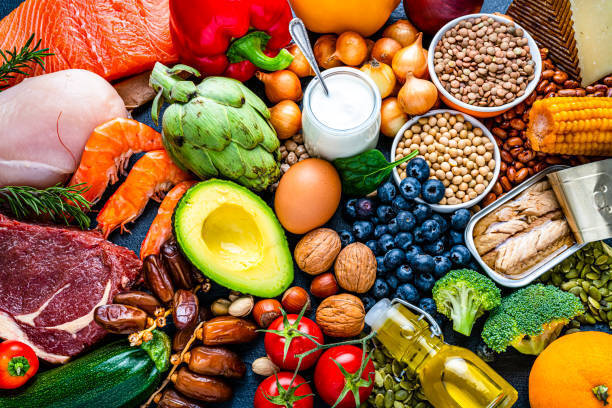
Healthy foods provide the building blocks your child's body needs to grow normally. Protein supports new tissue formation, calcium strengthens bones, vitamin D improves calcium absorption, zinc contributes to normal growth, and many other vitamins and minerals work together to support skeletal development.
However, no food can override genetics or force a child to become taller than their biological potential.
Parents should think of nutrition as helping children reach their natural height—not creating additional height beyond what their genes allow.
How Nutrition Influences Height
Children grow because specialized areas near the ends of their bones, called growth plates, continually produce new bone tissue throughout childhood and adolescence.
This process requires:
- Adequate calories
- High-quality protein
- Essential vitamins
- Minerals
- Healthy hormones
- Good sleep
- Regular physical activity
- Overall good health
If one or more of these factors is lacking, growth can slow.
For example:
- Poor protein intake may reduce the body's ability to build new tissue.
- Low calcium and vitamin D can impair bone mineralization.
- Zinc deficiency has been associated with impaired childhood growth.
- Chronic malnutrition may significantly delay normal development.
On the other hand, providing excellent nutrition to a child whose growth is limited by genetics or an underlying hormone disorder will not completely correct the problem.
What Determines How Tall a Child Will Become?
Many parents focus only on food, but pediatric endocrinologists evaluate several major influences on growth.
| Factor | Influence on Height |
|---|---|
| Genetics | Largest determinant of adult height |
| Nutrition | Provides materials needed for growth |
| Growth hormone | Stimulates bone growth |
| IGF-1 | Mediates many growth hormone effects |
| Thyroid hormone | Essential for normal development |
| Sleep | Supports natural nighttime growth hormone release |
| Physical activity | Promotes healthy bone development |
| Overall health | Chronic illnesses may reduce growth |
| Puberty timing | Affects remaining growth potential |
A child with excellent nutrition but untreated hormone deficiency may still grow poorly.
Likewise, a child with average nutrition but normal hormone production may grow completely normally.
This is why pediatric growth specialists evaluate the entire child rather than focusing on one factor alone.
Why Nutrition Matters During Childhood
Childhood is one of the fastest periods of growth in life.
Bones lengthen rapidly.
Muscles develop.
The brain continues maturing.
Hormones begin preparing for puberty.
Because so much development occurs simultaneously, nutritional needs are higher than many parents realize.
Even relatively mild deficiencies over several years may influence growth velocity.
Providing consistent, balanced nutrition throughout childhood is often more important than trying to "catch up" with supplements later.
Can a Healthy Diet Increase Growth Hormone?
Nutrition does not directly force the pituitary gland to produce large amounts of growth hormone.
However, poor nutrition can reduce the body's ability to produce or respond to normal growth signals.
Healthy eating helps create the ideal environment for:
- Normal growth hormone secretion
- Healthy IGF-1 production
- Bone growth
- Muscle development
- Energy metabolism
- Puberty progression
This is one reason pediatric endocrinologists evaluate diet during every comprehensive growth assessment.
The Most Important Nutrients for Healthy Height Growth
Rather than searching for one "magic food," parents should focus on ensuring children consistently receive several key nutrients.
1. Protein: The Foundation of Growth
Protein is arguably the single most important nutrient for normal childhood growth.
Every new muscle cell, bone cell, connective tissue fiber, enzyme, and hormone requires amino acids derived from dietary protein.
Without adequate protein intake, children cannot efficiently build new tissue—even if every other nutrient is present.
High-quality protein also supports:
- Muscle growth
- Bone formation
- Immune function
- Hormone production
- Healthy metabolism
- Recovery from illness
Excellent Protein Sources
- Chicken
- Turkey
- Fish
- Eggs
- Greek yogurt
- Cottage cheese
- Lean beef
- Beans
- Lentils
- Tofu
- Edamame
- Quinoa
Parents should aim to include a quality protein source with every meal rather than concentrating most protein at dinner.
2. Calcium: Building Strong Bones
Calcium is the primary mineral found in bones.
During childhood, bones are constantly remodeling while simultaneously becoming longer and stronger.
Without enough calcium, children may struggle to maximize bone mineral density during these important years.
Calcium works best when combined with adequate vitamin D and regular weight-bearing physical activity.
Good calcium sources include:
- Milk
- Yogurt
- Cheese
- Fortified plant milks
- Sardines
- Tofu prepared with calcium
- Kale
- Bok choy
Parents should remember that dairy is only one source of calcium. Children with lactose intolerance or dairy allergies can still meet their calcium needs through other foods.
3. Vitamin D: Helping Bones Use Calcium
Vitamin D is essential because it allows the body to absorb calcium efficiently.
Even if a child consumes plenty of calcium, low vitamin D levels may reduce how much calcium actually reaches the bones.
Vitamin D also supports:
- Bone mineralization
- Immune health
- Muscle function
- Overall skeletal development
Children obtain vitamin D from:
- Sunlight
- Fatty fish
- Egg yolks
- Fortified milk
- Fortified cereals
- Fortified orange juice
Because vitamin D deficiency is relatively common, some children require testing or supplementation under medical guidance.
4. Zinc: A Small Mineral With a Big Role
Zinc is required for hundreds of biological processes involved in childhood development.
Research has linked zinc deficiency with slowed growth in children, particularly in areas where nutritional deficiencies are common.
Zinc supports:
- Cell division
- DNA synthesis
- Immune function
- Tissue repair
- Normal growth
Excellent food sources include:
- Beef
- Pumpkin seeds
- Chickpeas
- Lentils
- Oysters
- Turkey
- Cashews
- Yogurt
- Whole grains
Because zinc works together with many other nutrients, it should be obtained primarily through a balanced diet rather than excessive supplementation unless recommended by a healthcare provider.
Key Takeaways So Far
Healthy height growth depends on much more than one "superfood."
Children grow best when they consistently receive:
- High-quality protein
- Calcium
- Vitamin D
- Zinc
- Adequate calories
- Balanced nutrition
- Healthy sleep
- Regular physical activity
In the next section, we'll cover the remaining essential nutrients, the best foods for each, common myths about foods that supposedly increase height, practical meal ideas for growing children, and when nutrition alone may not explain slow growth.
5. Iron: Delivering Oxygen to Growing Tissues
Iron is best known for helping the body produce hemoglobin, the protein in red blood cells that carries oxygen throughout the body. Every growing bone, muscle, and organ depends on an adequate oxygen supply to develop properly.
Children with iron deficiency may become tired, pale, have difficulty concentrating, or experience reduced physical endurance. In some cases, prolonged iron deficiency may contribute to slower growth, especially when combined with poor overall nutrition.
Iron-rich foods include:
- Lean beef
- Chicken
- Turkey
- Liver (in moderation)
- Lentils
- Kidney beans
- Spinach
- Fortified cereals
- Pumpkin seeds
Tip for Parents
Vitamin C dramatically improves the absorption of iron from plant-based foods. Pair beans with tomatoes, spinach with strawberries, or fortified cereal with orange slices to maximize absorption.
6. Magnesium: Supporting Bone Development
Magnesium is often overlooked but plays an important role in over 300 enzymatic reactions throughout the body.
For growing children, magnesium contributes to:
- Healthy bone formation
- Muscle function
- Nerve function
- Energy production
- Vitamin D metabolism
Good dietary sources include:
- Almonds
- Cashews
- Pumpkin seeds
- Black beans
- Spinach
- Whole grains
- Avocados
Most healthy children obtain sufficient magnesium through a varied diet without requiring supplements.
7. Healthy Fats: Fuel for Growth
Growing children need healthy fats—not only for brain development but also for hormone production and overall health.
Healthy fats help the body absorb fat-soluble vitamins, including vitamins A, D, E, and K.
Excellent choices include:
- Salmon
- Sardines
- Trout
- Avocados
- Olive oil
- Walnuts
- Chia seeds
- Flaxseed
- Nut butters
Children should avoid replacing healthy fats with highly processed snack foods that provide calories but relatively little nutritional value.
8. Fruits and Vegetables: Nature's Multivitamin
While fruits and vegetables may not directly increase height, they provide dozens of vitamins, minerals, antioxidants, and phytonutrients that support healthy development.
Different colors often provide different nutritional benefits.
Encourage children to "eat the rainbow."
Examples include:
Green
- Broccoli
- Spinach
- Kale
- Peas
Orange
- Carrots
- Sweet potatoes
- Pumpkin
Red
- Tomatoes
- Strawberries
- Watermelon
Purple
- Blueberries
- Blackberries
- Purple cabbage
White
- Cauliflower
- Mushrooms
- Garlic
Offering a wide variety throughout the week is more important than focusing on any one "superfood."
The Best Foods That Help Kids Grow Taller
The following foods consistently provide many of the nutrients children need for healthy growth.
| Food | Major Growth Benefits |
|---|---|
| Eggs | Complete protein, vitamin D, choline |
| Greek yogurt | Protein, calcium |
| Milk | Calcium, protein, vitamin D |
| Salmon | Protein, omega-3s, vitamin D |
| Chicken | Lean protein |
| Lean beef | Protein, iron, zinc |
| Beans | Protein, iron, fiber |
| Lentils | Protein, iron |
| Spinach | Iron, magnesium |
| Sweet potatoes | Vitamin A |
| Broccoli | Vitamin C, calcium |
| Pumpkin seeds | Zinc, magnesium |
| Almonds | Healthy fats, magnesium |
| Cheese | Calcium, protein |
| Tofu | Protein, calcium (if fortified) |
No single food is responsible for height growth. Instead, consistent dietary patterns matter far more than individual meals.
Can Drinking More Milk Make a Child Taller?
One of the most common questions parents ask is whether drinking extra milk will make their child grow taller.
Short Answer
Milk supports healthy growth, but drinking excessive amounts will not increase height beyond a child's genetic potential.
Milk provides:
- Protein
- Calcium
- Vitamin D (fortified)
- Phosphorus
These nutrients support normal bone development, but they cannot overcome genetic limitations or treat medical conditions affecting growth.
Foods That Do NOT Make Kids Grow Taller
The internet is full of claims that certain foods dramatically increase height.
Unfortunately, there is no scientific evidence that any individual food can significantly increase a healthy child's final adult height.
Foods commonly promoted without strong evidence include:
- Special "height increase" powders
- Herbal growth drinks
- Expensive supplements
- Collagen drinks marketed for height
- Detox products
- Growth gummies promising inches of height
- Miracle protein shakes
Parents should be cautious of products claiming guaranteed height gains.
If something sounds too good to be true, it usually is.
Should Children Take Height Growth Supplements?
Most healthy children who eat a balanced diet do not need specialized height supplements.
Supplements may be appropriate only when a true nutritional deficiency has been identified by a healthcare provider.
For example:
- Vitamin D deficiency
- Iron deficiency
- Zinc deficiency
- Poor calorie intake
- Restricted diets due to allergies or medical conditions
Families considering supplements should speak with their pediatrician or pediatric endocrinology provider before beginning long-term use.
Sample One-Day Meal Plan for Healthy Growth
Breakfast
- Scrambled eggs
- Whole grain toast
- Greek yogurt
- Mixed berries
- Milk
Morning Snack
- Apple
- Cheese stick
Lunch
- Grilled chicken
- Brown rice
- Broccoli
- Orange slices
Afternoon Snack
- Hummus
- Carrots
- Whole grain crackers
Dinner
- Baked salmon
- Sweet potato
- Green beans
- Salad
Evening Snack
- Cottage cheese
- Banana
This type of eating pattern provides protein throughout the day while supplying calcium, healthy fats, vitamins, minerals, and complex carbohydrates needed for healthy growth.
Nutrition Is Only One Piece of Healthy Growth
Parents sometimes become frustrated when they improve their child's diet but don't immediately notice an increase in height.
That's because nutrition is only one factor influencing growth.
Other important contributors include:
- Poor growth velocity (https://hghforchildren.com/poor-growth-velocity)
- Growth hormone deficiency (https://hghforchildren.com/growth-hormone-deficiency)
- Delayed bone age (https://hghforchildren.com/delayed-bone-age)
- Constitutional growth delay (https://hghforchildren.com/constitutional-growth-delay)
- Low IGF-1 (https://hghforchildren.com/low-igf-1)
- Genetics
- Thyroid function
- Sleep quality
- Puberty timing
- Chronic medical conditions
A child eating an excellent diet who continues falling on the growth chart deserves further evaluation rather than simply adding more calories or supplements.
Why Sleep Matters Just As Much As Nutrition
Growth hormone is naturally released in its greatest amounts during deep sleep.
Even the healthiest diet cannot fully compensate for chronic sleep deprivation.
Children should receive age-appropriate sleep every night while maintaining consistent bedtimes.
Good nutrition and healthy sleep work together to support normal childhood growth.
When Should Parents Worry About Slow Growth?
Every child grows at their own pace, and it's completely normal for some children to be shorter than their classmates. However, there are times when slow growth deserves a closer look.
Rather than focusing on your child's current height alone, pediatric specialists pay close attention to growth velocity—how many inches or centimeters a child grows each year.
A child who remains on the same growth percentile year after year is often growing normally, even if they are shorter than average. In contrast, a child who begins crossing downward through multiple percentile lines on the growth chart may have an underlying issue that requires evaluation.
Warning Signs That Should Prompt a Growth Evaluation
Parents should consider speaking with their pediatrician or a pediatric growth specialist if their child:
- Has fallen below the 3rd–5th percentile for height.
- Grows less than expected for their age over one year.
- Drops across two or more height percentiles.
- Appears significantly shorter than siblings with similar genetics.
- Has delayed puberty compared with peers.
- Experiences unexplained weight loss or poor weight gain.
- Has chronic abdominal pain, diarrhea, or other symptoms suggesting an underlying illness.
- Has a family history of endocrine disorders or genetic growth conditions.
Children do not need to have every warning sign to benefit from an evaluation. Sometimes a parent's intuition that "something doesn't seem right" is an appropriate reason to discuss growth with their healthcare provider.
How Doctors Evaluate a Child With Slow Growth
If nutrition alone does not explain slow growth, a pediatric growth evaluation looks at the entire picture—not just height.
A comprehensive evaluation may include:
Medical History
The provider will ask about:
- Pregnancy and birth history
- Birth weight and length
- Previous growth patterns
- Nutrition
- Physical activity
- Sleep habits
- Puberty timing
- Family heights
- Medical conditions
- Medications
Physical Examination
The physical examination evaluates:
- Accurate height measurement
- Weight
- Body proportions
- Pubertal development
- Signs of chronic illness
- Features suggesting a genetic syndrome
Growth Chart Review
One of the most valuable tools is reviewing several years of growth measurements rather than a single office visit.
The provider evaluates:
- Current percentile
- Previous percentiles
- Growth velocity
- Weight trends
- Body mass index (BMI)
Many concerns become much clearer when plotted over time.
Bone Age X-Ray
A bone age assessment helps determine whether skeletal development matches a child's chronological age.
A delayed bone age may suggest:
- Constitutional growth delay
- Certain endocrine disorders
- Nutritional problems
- Other medical conditions
A normal bone age provides different information than one that is significantly delayed or advanced.
Laboratory Testing
Depending on the child's history and examination, laboratory testing may include:
- Complete blood count
- Comprehensive metabolic panel
- Thyroid function tests
- Celiac disease screening
- Inflammatory markers
- IGF-1
- IGFBP-3
- Growth hormone stimulation testing (when indicated)
- Additional hormone studies
These tests help determine whether nutrition is the primary concern or whether another medical condition is affecting growth.
What If My Child Eats Well but Still Isn't Growing?
This is one of the most common situations pediatric endocrinologists encounter.
Many children with excellent diets continue growing slowly because nutrition is not the underlying problem.
Possible causes include:
- Genetics
- Constitutional growth delay
- Growth hormone deficiency
- Delayed puberty
- Turner syndrome
- Being born small for gestational age (SGA)
- Pituitary disorders
- Chronic inflammatory diseases
- Thyroid disorders
- Certain genetic conditions
In these situations, simply increasing calories or adding supplements rarely changes the long-term outcome.
Instead, identifying the true cause allows families to receive individualized recommendations.
Can Medical Treatment Help If Nutrition Isn't Enough?
For some children, nutritional optimization is all that is needed.
For others, additional treatment may be appropriate after a complete evaluation.
Depending on the diagnosis, treatment options may include:
- Improving overall nutrition
- Correcting vitamin or mineral deficiencies
- Treating an underlying medical condition
- Monitoring growth over time
- Referral to a pediatric endocrinologist
- Growth hormone therapy for FDA-approved indications
- Other individualized therapies when medically appropriate
Treatment decisions are always based on the child's diagnosis rather than height alone.
Final Thoughts
Healthy nutrition is one of the most important investments parents can make in their child's future. A balanced diet rich in protein, calcium, vitamin D, zinc, iron, healthy fats, fruits, vegetables, and whole grains provides the foundation for strong bones, healthy muscles, and normal childhood development.
At the same time, nutrition is only one part of the growth equation. Genetics, hormones, sleep, physical activity, overall health, and the timing of puberty all influence how tall a child ultimately becomes.
If your child is eating well but continues to grow slowly, falls behind classmates, or drops on the growth chart, it may be time for a comprehensive pediatric growth evaluation. Identifying growth concerns early often provides families with the greatest number of options and the clearest understanding of their child's growth potential.
References
- Pediatric Endocrine Society. Evaluation of Short Stature in Children.
- American Academy of Pediatrics. Nutrition for Children and Adolescents.
- Endocrine Society Clinical Practice Guidelines.
- National Institutes of Health Office of Dietary Supplements.
- World Health Organization. Child Growth Standards.
- Centers for Disease Control and Prevention. Clinical Growth Charts.
- Grimberg A, et al. Guidelines for Growth Hormone and Insulin-Like Growth Factor-I Treatment in Children. Hormone Research in Paediatrics.
- Rogol AD, Hayden GF. Etiologies and Early Diagnosis of Short Stature and Growth Failure in Children. Journal of Pediatrics.
Medically Reviewed by Dr. Devin Stone, ND
Dr. Devin Stone, ND, is a Doctor of Naturopathic Medicine with extensive experience evaluating children with growth concerns. His clinical focus includes pediatric height assessments, interpretation of growth charts, bone age analysis, IGF-1 evaluation, growth hormone deficiency screening, and individualized treatment planning. Through HGHforChildren.com, Dr. Stone is dedicated to providing evidence-based educational resources that help families better understand childhood growth, delayed development, and the medical conditions that can influence final adult height.
Devin Stone
Contact Me

Frequently Asked Questions
Foods That Help Kids Grow Taller FAQs
No single food guarantees increased height. Children grow best when they consistently eat a balanced diet rich in protein, calcium, vitamin D, zinc, healthy fats, fruits, vegetables, and whole grains.
Protein supports normal growth because it provides the amino acids needed to build bone and muscle. However, eating excessive protein will not make a healthy child exceed their genetic height potential.
Milk is an excellent source of calcium and protein, but it is not essential. Children can obtain these nutrients from many other foods if they cannot consume dairy.
No single vitamin determines height. Vitamin D, calcium, zinc, iron, and adequate protein all work together to support normal growth and bone development.
Severe or prolonged malnutrition during childhood can affect adult height. Fortunately, many nutritional deficiencies can be corrected when recognized early.
Most healthy children do not require specialized height supplements. Supplements should generally be reserved for documented nutritional deficiencies or specific medical recommendations.
Most school-age children require approximately 9–12 hours of sleep each night, while teenagers generally benefit from 8–10 hours. Adequate sleep supports normal growth hormone release.
Concern is appropriate if your child is growing much more slowly than expected, crossing downward on the growth chart, or showing other signs of delayed development. A pediatric evaluation can help determine whether additional testing is needed.
Regular physical activity supports healthy bones, muscles, and overall development. While exercise cannot increase height beyond genetics, it contributes to normal growth and lifelong health.
This distinction usually requires a professional evaluation that includes growth charts, family history, physical examination, laboratory testing, and sometimes a bone age X-ray. Looking at height alone cannot reliably determine the cause.
