Learning that your child is significantly shorter than classmates can be stressful for any parent.
Many families immediately begin searching for answers and asking questions such as:
- Why is my child so short?
- Will my child catch up?
- How tall will my child be?
- Does my child need treatment?
The good news is that being short does not automatically mean something is wrong.
In fact, many children who are shorter than average are completely healthy and simply following their natural growth pattern.
However, some children have underlying growth disorders that may benefit from medical evaluation or treatment.
Understanding child short stature treatment options begins with one critical principle:
Treatment depends on why a child is short—not simply how short they are today.
The goal is never to create unnatural height. The goal is to identify any barriers to healthy growth and help children reach their natural genetic height potential whenever possible.
What Is Short Stature?
In pediatric medicine, short stature generally refers to a child whose height falls significantly below average for age and sex.
However, height alone rarely tells the entire story.
Two children may have the exact same height but completely different growth patterns.
For example:
Child A
- Shorter than average
- Growing normally
- Following a consistent growth curve
Child B
- Similar height
- Falling off growth charts
- Growing slower each year
The second child is usually more concerning.
This is why growth specialists focus heavily on growth chart analysis for children and growth velocity rather than height alone.
The First Step: Determine Why the Child Is Short
Before discussing treatment, doctors first identify the cause of short stature.
A comprehensive pediatric growth evaluation may include:
Growth Chart Review
Evaluating long-term growth patterns and growth curve percentiles.
Growth Velocity Assessment
Determining whether the child is experiencing slow growth in children.
Bone Age Imaging
Assessing skeletal maturity and remaining growth potential.
Hormone Testing
Evaluating growth hormone signaling and endocrine function.
Nutritional Assessment
Identifying nutritional deficiencies or absorption problems.
Adult Height Prediction
Estimating future height based on growth history and family genetics.
Many families begin seeking answers after wondering:
These questions often signal that a growth evaluation may be appropriate.
Common Causes of Short Stature
Several different conditions can contribute to short stature.
Common examples include:
Constitutional Growth Delay
Children with constitutional growth delay often mature later than peers but eventually catch up.
Idiopathic Short Stature
Children with idiopathic short stature are significantly shorter than average without an identifiable medical cause.
Growth Hormone Deficiency
Children with growth hormone deficiency produce inadequate amounts of growth hormone.
Delayed Puberty
Children with delayed puberty may experience slower growth and later development.
Low IGF-1 Levels
Children with low IGF-1 levels may have reduced growth signaling.
Pituitary Disorders
Certain pituitary disorders can interfere with normal hormone production.
Because these conditions require different approaches, identifying the underlying cause is essential.
Treatment Option 1: Monitoring and Reassurance
One of the most common outcomes of a growth evaluation is reassurance.
Not every child needs medical treatment.
Monitoring may be appropriate when:
- Growth velocity is normal
- Growth curves remain stable
- Family members are naturally shorter
- Bone age is reassuring
- Predicted adult height is appropriate
Children who are simply a late bloomer child often fall into this category.
In these cases, regular growth monitoring may be all that is needed.
Treatment Option 2: Nutrition and Lifestyle Optimization
Healthy growth requires adequate resources.
When environmental factors contribute to slow growth, improving overall health may support natural development.
Important areas include:
Nutrition
Adequate intake of:
- Protein
- Healthy fats
- Vitamins
- Minerals
Sleep
Growth hormone is released primarily during sleep.
Families often underestimate the importance of sleep and child growth.
Physical Activity
Regular exercise supports healthy development.
Many parents ask about exercise to increase height in kids, but exercise works best as part of an overall healthy lifestyle rather than as a standalone height solution.
Gut Health
Digestive issues may affect nutrient absorption and growth.
For some children, addressing these factors alone improves growth patterns.
Treatment Option 3: Treat Underlying Medical Conditions
Short stature is sometimes a symptom of another medical issue.
Examples may include:
Thyroid Disorders
Thyroid hormone is essential for growth and development.
Nutrient Absorption Problems
Conditions affecting digestion may interfere with growth.
Chronic Inflammatory Conditions
Long-term inflammation can impair normal growth.
Hormonal Imbalances
Several endocrine conditions may affect height development.
Correcting the underlying problem often restores healthier growth.
Treatment Option 4: Growth Hormone Therapy
One of the most recognized treatment options is growth hormone therapy.
This approach may be considered for children with:
- Growth hormone deficiency
- Certain cases of idiopathic short stature
- Specific growth disorders
- Reduced growth potential
The goals of growth hormone treatment for short stature may include:
- Improving growth velocity
- Supporting puberty growth
- Increasing adult height potential
- Normalizing growth patterns
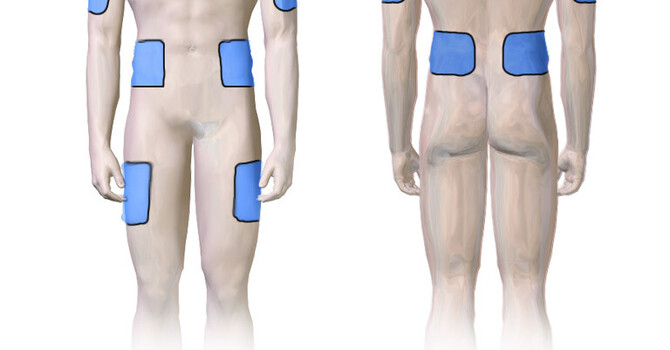
Treatment typically involves daily injections and regular monitoring.
Parents researching average height gain with growth hormone in kids should understand that results vary based on diagnosis, timing, and remaining growth potential.
Treatment Option 5: Growth Hormone Stimulation Therapy
Not every child requires direct hormone replacement.
Some children retain the ability to produce growth hormone but may not release enough naturally.
In these situations, providers may discuss Sermorelin for children.
Sermorelin works by supporting natural growth hormone production rather than replacing hormone directly.
This approach may be considered for children with:
- Mild growth hormone signaling issues
- Delayed developmental timing
- Reduced growth velocity
- Functional pituitary glands
Treatment selection depends on the child's specific diagnosis.
Treatment Option 6: Puberty Timing Management
In select situations, providers may consider strategies that influence puberty timing.
This is generally reserved for children whose:
- Growth plates are maturing rapidly
- Adult height prediction is declining
- Puberty is progressing unusually quickly
The objective is not to delay normal development unnecessarily.
Instead, the goal is preserving growth opportunity when medically appropriate.
Why Bone Age Is So Important
One of the most valuable tools used during a growth evaluation is a bone age test.
Bone age helps determine:
- Skeletal maturity
- Growth plate status
- Remaining growth potential
- Predicted adult height
Children with delayed bone age often have more growth opportunity remaining than expected.
This information frequently influences treatment decisions.
Why Timing Matters
One of the most important concepts in pediatric growth medicine is timing.
Growth treatments work best while growth plates remain open.
Eventually, growth plates close after puberty, ending the body's ability to gain additional height.
Children evaluated earlier often have:
- More treatment options
- More remaining growth potential
- Better long-term outcomes
This is why families should not ignore signs such as:
- Falling growth percentiles
- Delayed puberty
- Slow growth rates
- Growth below family expectations
Frequently Asked Questions
Does every short child need treatment?
No. Many children simply require monitoring and reassurance.
What is the most common treatment?
Observation and growth monitoring are actually the most common recommendations.
When is growth hormone therapy considered?
Usually when growth hormone deficiency or another qualifying growth disorder is identified.
Can nutrition alone improve growth?
Sometimes. If nutritional deficiencies are contributing to growth problems, correcting them may improve growth.
What is the most important test?
There is no single test, but bone age studies, growth charts, and hormone evaluations are often among the most useful tools.
The Bottom Line
Child short stature treatment options range from simple monitoring and reassurance to advanced hormone therapies.
The appropriate approach depends entirely on the cause of the child's growth pattern.
Some children simply need time.
Others benefit from nutritional support, treatment of underlying medical conditions, growth hormone therapy, or hormone stimulation approaches.
The key is identifying why growth is occurring differently.
Through growth chart analysis, bone age assessment, hormone testing, and careful monitoring, providers can develop individualized plans that help children achieve their healthiest growth potential.
Early evaluation remains one of the best ways to preserve opportunities before growth plates begin closing.
Medically Reviewed By
Dr. Devin Stone, ND
Dr. Devin Stone is a Doctor of Naturopathic Medicine and founder of HGHforChildren.com. His clinical focus includes pediatric growth optimization, short stature evaluation, growth hormone deficiency, delayed bone age assessment, constitutional growth delay, IGF-1 evaluation, and evidence-informed therapies designed to help children maximize healthy growth potential.
References
Grimberg A, DiVall SA, Polychronakos C, et al. Guidelines for Growth Hormone and IGF-I Treatment in Children. Hormone Research in Paediatrics.
Growth Hormone Research Society. Consensus Guidelines for Pediatric Growth Disorders.
American Academy of Pediatrics. Evaluation and Management of Short Stature in Children.
National Institute of Diabetes and Digestive and Kidney Diseases (NIDDK). Growth Disorders and Growth Hormone Deficiency.
National Institutes of Health (NIH). Pediatric Endocrinology and Growth Assessment Resources.
Devin Stone
Contact Me