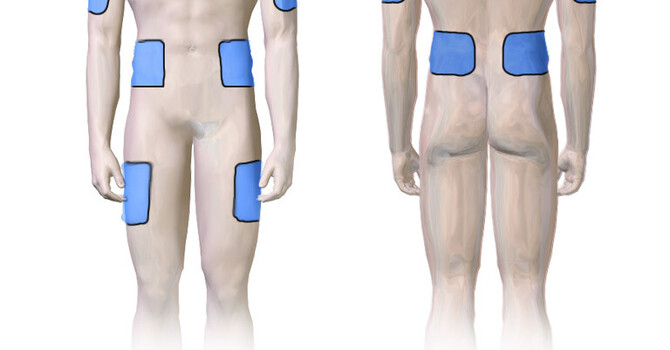
Parents are often surprised when they learn that growth hormone injections are usually recommended at night.
One of the most common questions families ask is:
"Why does my child need HGH injections at bedtime?"
The answer comes down to biology.
The human body follows a natural hormonal rhythm, and growth hormone is one of the most rhythm-dependent hormones we produce.
Unlike many hormones that remain relatively stable throughout the day, growth hormone is released in powerful bursts called pulses. The largest of these pulses typically occur during deep sleep.
This is why doctors recommend HGH injections nightly in children—to closely mimic the body's natural growth hormone cycle and maximize the effectiveness of treatment.
When therapy aligns with the body's natural timing, growth hormone can work more efficiently while supporting normal growth and development.
Growth Hormone Is Not Released All Day Long
Many parents assume growth hormone is constantly circulating throughout the day.
In reality, growth hormone secretion follows a highly organized pattern.
The pituitary gland releases growth hormone in bursts, with levels rising and falling throughout a 24-hour period.
Most of these bursts occur during sleep.
During waking hours, growth hormone levels are often relatively low.
This is why timing matters.
Giving growth hormone at the same time the body naturally expects it may help therapy better replicate normal physiology.
When Does the Body Produce the Most Growth Hormone?
The largest natural growth hormone release typically occurs:
- Shortly after falling asleep
- During deep slow-wave sleep
- During the first portion of the night
- During periods of high-quality sleep
This natural surge is one reason parents often hear that sleep helps kids grow taller.
Although children do not physically grow inches overnight, important growth processes occur while they sleep.
These include:
- Growth hormone release
- IGF-1 production
- Bone growth signaling
- Tissue repair
- Muscle development
Healthy sleep is one of the most important components of normal childhood growth.
How Growth Hormone Therapy Mimics Natural Hormone Rhythms
Growth hormone therapy is designed to work with the body's biology.
When an HGH injection is administered before bedtime:
Growth Hormone Enters the Bloodstream
The medication begins circulating shortly after administration.
The Liver Produces IGF-1
Growth hormone stimulates production of Insulin-Like Growth Factor-1.
Children with low IGF-1 levels often have reduced growth signaling before treatment.
Growth Plates Receive Growth Signals
The growth plates in bones respond to these signals.
Bone Growth and Tissue Development Occur
Growth-related processes continue throughout the night.
This sequence closely resembles what occurs naturally during sleep.
Why Bedtime HGH Injections Are Preferred
Doctors typically recommend bedtime dosing because it offers several advantages.
Better Alignment With Natural Physiology
The body expects growth hormone activity at night.
More Natural Hormone Patterns
Treatment can better mimic normal hormone release cycles.
Support for Growth Plate Activity
Growth plates are naturally stimulated during nighttime growth hormone surges.
Improved Treatment Consistency
Bedtime routines often make injections easier to remember.
This is why growth hormone injection timing for children is usually centered around bedtime rather than daytime hours.
What Happens During Deep Sleep?
Deep sleep is one of the most important stages of the sleep cycle for growth.
During this phase:
- Growth hormone secretion peaks
- Tissue repair accelerates
- Protein synthesis increases
- Bone-building activity increases
- Growth signaling becomes highly active
Children who consistently achieve adequate sleep often have healthier growth patterns than children with chronic sleep deprivation.
This is one reason providers often discuss sleep and child growth during pediatric growth evaluations.
Can HGH Be Given Earlier in the Day?
Parents occasionally ask whether injections can be administered in the morning or afternoon.
While occasional schedule changes are generally not a major problem, bedtime remains the preferred timing.
Daytime dosing may:
- Disrupt normal hormone patterns
- Move treatment away from natural growth hormone peaks
- Potentially reduce physiologic alignment
Most providers emphasize consistency.
If occasional timing adjustments occur due to travel or scheduling conflicts, families should follow guidance from their prescribing clinician.
Why Consistency Is More Important Than Exact Clock Time
Many parents worry about giving injections at exactly the same minute every night.
Fortunately, growth hormone therapy does not require perfect precision.
The goal is simply establishing a consistent bedtime routine.
For example:
- 8:30 PM one night
- 9:00 PM the next night
- 9:15 PM another night
is generally less concerning than frequently switching between daytime and nighttime dosing.
Regularity helps support stable hormone patterns over time.
Why Sleep Quality Still Matters During HGH Therapy
Growth hormone therapy is not a substitute for healthy sleep.
Even with treatment, the body's natural growth systems still depend on good sleep quality.
Helpful habits include:
Consistent Bedtimes
Regular sleep schedules support hormone regulation.
Limiting Screen Exposure
Reducing screen time before bed may improve sleep quality.
Dark Sleeping Environment
A darker room helps support healthy circadian rhythms.
Adequate Sleep Duration
Children need sufficient sleep hours based on age.
Parents frequently underestimate the relationship between sleep habits and height growth.
Growth hormone therapy works best when combined with healthy sleep practices.
How Sleep and Growth Hormone Work Together
Growth hormone therapy and healthy sleep are complementary.
Growth hormone provides the signal.
Sleep provides the environment where that signal can work effectively.
Together they support:
- Bone growth
- Tissue development
- Recovery
- Hormone regulation
- Growth plate activity
This is why children undergoing treatment are often encouraged to prioritize sleep as part of their overall growth plan.
Conditions Commonly Treated With HGH Therapy
Growth hormone therapy may be considered for children with conditions such as:
Growth Hormone Deficiency
Children with growth hormone deficiency often benefit from replacement therapy.
Idiopathic Short Stature
Some children with idiopathic short stature may qualify for treatment.
Growth-Related Endocrine Disorders
Various hormone conditions may affect growth.
Pituitary Disorders
Certain pituitary disorders interfere with hormone production.
Low IGF-1 Levels
Reduced growth signaling may contribute to slower growth.
Each child requires individualized evaluation before treatment is considered.
Why Monitoring Remains Important
Even when treatment is working well, regular follow-up remains essential.
Providers often monitor:
Growth Velocity
Tracking yearly growth rates.
Bone Age
Evaluating skeletal maturity through bone age testing.
IGF-1 Levels
Monitoring treatment response.
Puberty Development
Assessing developmental timing.
Growth Plate Status
Determining remaining growth potential.
This ongoing monitoring helps ensure treatment remains safe and effective.
Frequently Asked Questions
Why are HGH injections given at night?
Nighttime dosing aligns with the body's natural growth hormone release cycle.
Does bedtime really matter?
Yes. Bedtime administration helps mimic normal hormone patterns.
Can HGH be given in the morning?
Occasionally, but bedtime is generally preferred.
What if my child misses the exact injection time?
Consistency is more important than perfect timing.
Does sleep affect growth?
Yes. Growth hormone release and growth-related processes are closely linked to healthy sleep.
The Bottom Line
HGH injections nightly in children are recommended because they align with the body's natural growth hormone rhythm.
Most natural growth hormone release occurs during deep sleep, making bedtime the ideal time for therapy.
By matching normal hormone patterns, nighttime dosing may improve treatment effectiveness, support healthy growth plate activity, and help children maximize their growth potential.
Combined with quality sleep, proper monitoring, and individualized treatment plans, bedtime growth hormone therapy helps support the same biological processes that drive normal childhood growth.
Medically Reviewed By
Dr. Devin Stone, ND
Dr. Devin Stone is a Doctor of Naturopathic Medicine and founder of HGHforChildren.com. His clinical focus includes pediatric growth optimization, growth hormone deficiency, delayed bone age assessment, constitutional growth delay, IGF-1 evaluation, and evidence-informed therapies designed to help children maximize healthy growth potential.
References
Grimberg A, DiVall SA, Polychronakos C, et al. Guidelines for Growth Hormone and IGF-I Treatment in Children. Hormone Research in Paediatrics.
Growth Hormone Research Society. Consensus Guidelines for Pediatric Growth Disorders.
American Academy of Pediatrics. Evaluation and Management of Short Stature in Children.
National Sleep Foundation. Sleep Recommendations for Children and Adolescents.
National Institutes of Health (NIH). Pediatric Growth and Endocrinology Resources.
Devin Stone
Contact Me