One of the most important questions families ask before starting treatment is whether growth hormone therapy remains safe after years of use. Parents frequently search HGH side effects in children long term because treatment often continues throughout childhood and adolescence, making long-term safety a major consideration.
The reassuring news is that human growth hormone (HGH) has been studied extensively in pediatric medicine for decades. Thousands of children worldwide have received treatment for conditions such as growth hormone deficiency, idiopathic short stature, and other growth-related disorders, providing researchers with a large body of long-term safety data.
Current evidence shows that when HGH is prescribed appropriately, monitored carefully, and adjusted as a child grows, serious long-term complications are uncommon.
Understanding what doctors monitor, which side effects are most common, and what symptoms should be reported can help families make informed treatment decisions.
Why Growth Hormone Therapy Often Lasts for Years
Unlike many medications that are used for weeks or months, growth hormone therapy is designed to support growth throughout a child's remaining developmental years.
Treatment may continue until:
- Growth plates close
- Growth slows significantly
- Height goals are achieved
- Skeletal maturity is reached
Because growth naturally occurs over many years, treatment often does as well.
This is why providers place such a strong emphasis on growth hormone treatment years duration safety and long-term monitoring.
Why Long-Term Monitoring Is So Important
The safety of HGH therapy depends heavily on ongoing follow-up care.
Children receiving treatment typically undergo regular evaluations designed to ensure growth remains healthy, balanced, and physiologic.
Providers monitor:
- Height progression
- Weight changes
- Growth velocity
- Hormone levels
- Bone maturation
- Metabolic health
- Puberty development
This proactive approach allows providers to identify small concerns before they become significant problems.
Growth Hormone Monitoring Labs and Long-Term Safety
One of the most important tools used during treatment is routine laboratory testing.
Families often ask about growth hormone monitoring labs because these tests help ensure the body is responding appropriately.
Monitoring may include:
IGF-1 Levels
Children with low IGF-1 often require close observation because IGF-1 reflects how the body responds to growth hormone.
Thyroid Function
Growth hormone interacts closely with thyroid hormones, making periodic thyroid testing important.
Metabolic Testing
Blood sugar and metabolic markers may be evaluated periodically.
These tests help providers optimize therapy while minimizing risk.
Common Early Side Effects That Usually Improve
Most side effects associated with HGH occur during the first weeks or months of treatment.
Fortunately, these symptoms are generally mild and temporary.
Injection Site Reactions
Some children experience:
- Redness
- Mild irritation
- Tenderness
- Itching
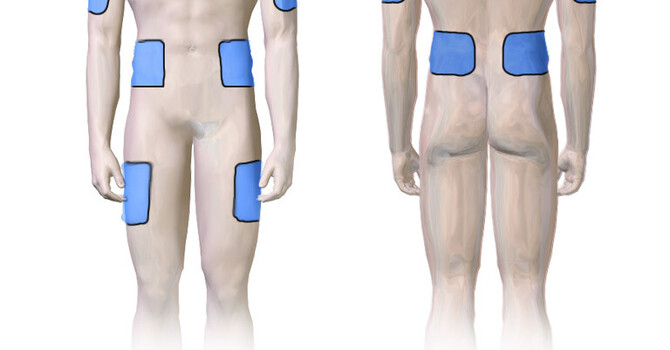
These symptoms often improve with injection-site rotation.
Mild Headaches
Parents frequently research headaches during growth hormone therapy in a child because headaches can occasionally occur during treatment adjustment.
Most headaches are:
- Mild
- Temporary
- Responsive to hydration and rest
Mild Swelling
Temporary fluid retention may cause:
- Puffy hands
- Mild foot swelling
- Temporary tightness
Symptoms usually resolve as the body adapts.
Joint or Muscle Discomfort
Children undergoing rapid growth sometimes experience discomfort similar to natural growth spurts.
Long-Term Bone and Joint Considerations
One area doctors monitor closely involves skeletal development.
Growth hormone accelerates growth activity, which means the musculoskeletal system experiences significant changes over time.
Hip and Joint Symptoms
Although uncommon, providers evaluate:
- Persistent limping
- Hip pain
- Knee pain
- Ongoing joint discomfort
Children with symptoms should be assessed promptly.
Bone Maturation Monitoring
A bone age assessment helps providers evaluate:
- Skeletal maturity
- Remaining growth potential
- Growth plate status
Children with delayed bone age often have additional growth opportunities remaining.
Monitoring bone age helps ensure treatment remains appropriately timed.
Blood Sugar Regulation During Long-Term Therapy
Growth hormone naturally influences metabolism.
This is one reason families often ask about growth hormone therapy insulin resistance.
Can HGH Affect Blood Sugar?
Growth hormone can temporarily reduce insulin sensitivity.
For most children:
- Blood sugar remains normal
- No symptoms occur
- The body adapts naturally
Why Monitoring Helps
Routine metabolic monitoring allows providers to identify rare concerns early and make adjustments if needed.
Long-term studies have generally shown favorable metabolic outcomes when therapy is supervised appropriately.
Thyroid Hormone Changes
Thyroid hormones play a critical role in childhood growth.
During treatment, providers often monitor thyroid function because changes can occasionally occur.
Thyroid abnormalities may influence:
- Growth velocity
- Energy levels
- Treatment response
Fortunately, periodic testing usually identifies issues before symptoms develop.
Growth Hormone and Puberty Development
Parents frequently wonder whether long-term treatment could affect puberty.
Questions such as does HGH affect puberty timing are extremely common.
Current evidence suggests:
- HGH does not directly start puberty
- HGH does not intentionally delay puberty
- Puberty remains controlled by reproductive hormones
However, puberty significantly influences growth potential, which is why developmental monitoring remains an important part of follow-up care.
Rare Long-Term Complications
Serious complications are uncommon, but providers remain vigilant for specific symptoms.
Increased Intracranial Pressure
Parents researching growth hormone therapy brain pressure symptoms often learn that increased pressure around the brain is a rare but recognized complication.
Potential symptoms include:
- Persistent headaches
- Vision changes
- Nausea
- Vomiting
When identified early, the condition is usually reversible.
Significant Swelling
Severe fluid retention is uncommon but should be evaluated.
Persistent Fatigue
Ongoing fatigue may indicate the need for additional evaluation.
Symptoms Parents Should Report
Although serious complications are rare, families should contact their provider if a child develops:
Persistent Headaches
Especially headaches that worsen over time.
Vision Changes
Any change in visual function should be evaluated.
Hip Pain or Limping
Persistent symptoms deserve prompt attention.
Significant Swelling
Particularly if symptoms continue or worsen.
Ongoing Fatigue
Unusual tiredness may warrant further assessment.
Open communication helps providers address concerns quickly and effectively.
What Long-Term Research Shows
The most reassuring information comes from decades of pediatric research.
Studies examining long term outcomes growth hormone therapy children generally demonstrate:
- Good treatment tolerance
- Normal development
- Favorable safety profiles
- Low rates of serious complications
This extensive body of evidence is one reason growth hormone therapy remains a standard treatment for documented growth disorders.
Which Children Benefit Most From Treatment?
The benefit-risk ratio tends to be most favorable in children with:
Growth Hormone Deficiency
Children with growth hormone deficiency often experience substantial benefits from replacement therapy.
Idiopathic Short Stature
Some children with idiopathic short stature may benefit depending on their growth pattern and predicted adult height.
Pituitary Disorders
Children with pituitary disorders often require specialized endocrine management.
Other Growth Disorders
Treatment decisions are always individualized.
Why Appropriate Dosing Matters
One of the most important factors influencing long-term safety is maintaining physiologic hormone levels.
Providers avoid excessive stimulation by:
- Monitoring IGF-1
- Tracking growth velocity
- Adjusting doses regularly
- Reviewing growth patterns
The goal is healthy growth—not maximum growth.
Frequently Asked Questions
Are long-term side effects common?
Serious long-term side effects are uncommon when therapy is medically supervised.
Can HGH affect joints over time?
Joint discomfort occasionally occurs, which is why ongoing monitoring is important.
Does HGH increase diabetes risk?
Most children maintain normal glucose regulation, though providers routinely monitor metabolic health.
Why are bone age studies performed?
A bone age assessment helps determine remaining growth potential and appropriate treatment timing.
Is long-term therapy considered safe?
Research and clinical experience generally support the long-term safety of HGH when used appropriately.
The Bottom Line
Understanding HGH side effects in children long term helps families separate common concerns from actual risks.
Most children tolerate therapy well, with temporary symptoms such as:
- Mild swelling
- Injection-site irritation
- Headaches
- Joint discomfort
More significant concerns—including growth hormone therapy brain pressure symptoms, metabolic changes, or skeletal issues—are uncommon and typically identified early through careful monitoring.
Children receiving treatment for growth hormone deficiency, low IGF-1, idiopathic short stature, or certain pituitary disorders benefit from regular follow-up visits, growth hormone monitoring labs, developmental assessments, and bone age assessment studies designed to keep treatment safe and effective.
The overall goal is simple: helping children achieve healthy growth and reach their natural height potential while maintaining long-term safety throughout treatment.
Medically Reviewed By
Dr. Devin Stone, ND
Dr. Devin Stone is a Doctor of Naturopathic Medicine and founder of HGHforChildren.com. His clinical focus includes pediatric growth optimization, growth hormone deficiency, delayed bone age assessment, constitutional growth delay, IGF-1 evaluation, and evidence-informed therapies designed to help children maximize healthy growth potential.
References
- Pediatric Endocrine Society. Growth Hormone Treatment Guidelines.
- Growth Hormone Research Society Consensus Statement.
- Endocrine Society Clinical Practice Guidelines.
- National Institutes of Health (NIH).
- Hormone Research in Paediatrics.
- National Institute of Diabetes and Digestive and Kidney Diseases (NIDDK).
- American Academy of Pediatrics. Pediatric Endocrinology Resources.
- Grimberg A, et al. Guidelines for Growth Hormone and IGF-1 Treatment in Children and Adolescents.
Devin Stone
Contact Me