When a child is significantly shorter than peers, families often face an important decision: HGH vs watchful waiting for short stature in children. Should treatment begin now, or is monitoring growth over time the better option?
The answer depends on the cause of short stature, growth velocity, bone age, and overall health.
What Is Watchful Waiting?
Watchful waiting means closely monitoring a child’s growth over time without starting medical therapy immediately.
This approach typically includes:
-
Height measurements every 3–6 months
-
Tracking growth velocity (inches per year)
-
Periodic bone age X-rays
-
Lab monitoring when indicated
Watchful waiting is often appropriate when:
-
The child follows a consistent growth curve
-
Growth velocity is normal
-
Bone age is delayed but consistent with constitutional growth delay
-
There is strong family history of short stature
Many children with constitutional delay or genetic short stature eventually reach a height consistent with family patterns.
What Is HGH Therapy?
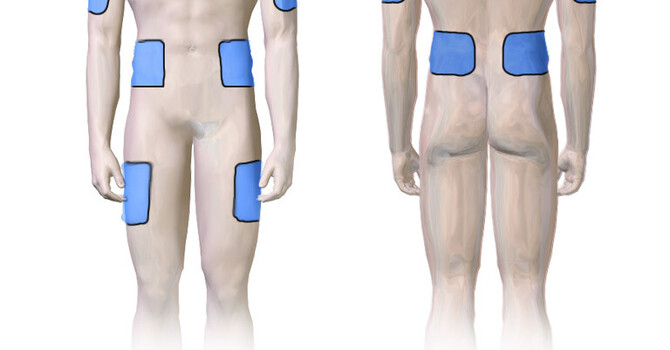
HGH therapy involves daily injections of recombinant human growth hormone to stimulate linear growth.
In the United States, HGH treatment is regulated by the U.S. Food and Drug Administration and approved for specific pediatric diagnoses, including:
-
Growth Hormone Deficiency (GHD)
-
Turner Syndrome
-
Prader-Willi Syndrome
-
Chronic Kidney Disease
-
Small for Gestational Age (without catch-up growth)
-
Idiopathic Short Stature (under defined criteria)
HGH is not typically prescribed simply for being shorter than average without meeting medical criteria.
HGH vs Watchful Waiting: Key Considerations
1. Growth Velocity
If a child is growing at a normal rate, watchful waiting may be appropriate.
If growth velocity is slowing or falling off the curve, further evaluation is needed.
2. Bone Age
-
Delayed bone age often suggests more time to grow.
-
Advanced bone age may limit growth potential and require closer monitoring.
3. Underlying Diagnosis
Children with confirmed growth hormone deficiency are more likely to benefit from HGH therapy than those with familial short stature.
4. Predicted Adult Height
If projected adult height is significantly below mid-parental target height, treatment may be considered.
When Watchful Waiting Is Reasonable
Watchful waiting is often appropriate when:
-
A child remains on their growth curve
-
Puberty has not started early
-
Labs are normal
-
Family history explains shorter stature
Many children simply grow later than peers.
When HGH May Be Considered
HGH therapy may be appropriate if:
-
There is confirmed growth hormone deficiency
-
Growth velocity is persistently low
-
Bone age is significantly delayed with poor catch-up
-
Predicted adult height is far below genetic expectations
Early intervention can improve final height outcomes when medically indicated.
The Importance of Timing
Growth plates close after puberty. Delaying evaluation too long can reduce available treatment options.
Parents should seek evaluation if their child:
-
Falls below the 3rd percentile
-
Shows slowed growth over 6–12 months
-
Has delayed or early puberty
-
Appears significantly shorter than family patterns suggest
Individualized Decision-Making
Choosing between HGH vs watchful waiting for short stature in children requires a comprehensive assessment and personalized discussion. There is no one-size-fits-all answer.
The safest and most effective approach depends on accurate diagnosis, careful monitoring, and realistic expectations.
Supporting the Right Path for Your Child
At HGH for Children, we provide thorough growth evaluations to help families determine whether watchful waiting or medical therapy is the most appropriate strategy. Our goal is to help children safely reach their full genetic height potential.
To learn more or schedule a consultation, visit:
https://www.HGHforChildren.com
Medically Reviewed By
Dr. Devin Stone, ND
Dr. Devin Stone, ND is a licensed naturopathic doctor and founder of HGHforChildren.com. He specializes in pediatric growth evaluation, short stature assessment, delayed puberty, bone age analysis, growth hormone deficiency screening, and growth optimization programs for children and adolescents.
Dr. Stone earned his degree from Bastyr University and has helped families nationwide better understand growth concerns through evidence-based evaluation and personalized treatment planning. His clinical focus includes growth hormone testing, IGF-1 interpretation, bone age assessment, pediatric endocrinology support, and growth-promoting interventions when medically appropriate.
Through HGHforChildren.com, Dr. Stone educates parents on childhood growth disorders, height prediction, growth velocity monitoring, and treatment options for children who may not be reaching their growth potential.
Learn more about Dr. Stone and schedule a consultation with our pediatric growth team.