Parents searching for answers about short stature often come across information about Sermorelin for children height growth and wonder whether it can help a child grow taller.
One of the most common misconceptions is that Sermorelin is the same thing as growth hormone therapy.
It is not.
Sermorelin does not contain growth hormone. Instead, it works by stimulating the body's natural production of growth hormone through the normal hormone signaling pathway.
For some children, this may improve growth velocity, support healthy development, and help them move closer to their natural height potential. For others, different treatment approaches may be more appropriate.
The key is understanding why a child is growing slowly in the first place.
In this guide, we'll explain how Sermorelin works, which children may benefit, how it differs from growth hormone therapy, and why a comprehensive growth evaluation is one of the most important steps in determining the best path forward.
Understanding How Children Grow
Height growth is controlled by a sophisticated hormone system involving the brain, pituitary gland, liver, and growth plates.
When this system functions normally, children grow steadily throughout childhood before experiencing a pubertal growth spurt.
The process follows a predictable pathway.
Step 1: The Brain Releases Growth Hormone Releasing Hormone (GHRH)
The hypothalamus produces Growth Hormone Releasing Hormone.
This hormone acts as a signal telling the pituitary gland to release growth hormone.
Step 2: The Pituitary Releases Growth Hormone
The pituitary gland responds by releasing growth hormone into the bloodstream.
Step 3: The Liver Produces IGF-1
Growth hormone stimulates production of Insulin-Like Growth Factor-1 (IGF-1).
Children with low IGF-1 levels may experience slower growth because growth signaling is reduced.
Step 4: Growth Plates Lengthen Bones
IGF-1 acts on growth plates located near the ends of bones.
These growth plates allow bones to lengthen throughout childhood and adolescence.
A disruption at any point in this pathway can affect growth velocity and final adult height.
What Is Sermorelin?
Sermorelin is a synthetic version of Growth Hormone Releasing Hormone (GHRH).
Rather than supplying growth hormone directly, Sermorelin stimulates the pituitary gland to produce the body's own growth hormone.
Because it works through the body's natural hormone pathways, many parents researching natural growth support for kids are interested in Sermorelin as a physiologic approach to improving growth signaling.
Potential effects include:
- Increased nighttime growth hormone pulses
- Improved growth hormone signaling
- Enhanced IGF-1 production
- Better growth velocity
- Support for healthy growth patterns
The body remains responsible for regulating how much hormone is released.
Why Growth Velocity Matters
When evaluating a child's growth, doctors often focus on growth velocity rather than height alone.
Growth velocity refers to the rate at which a child grows each year.
Healthy children generally grow approximately:
- 2–2.5 inches per year during childhood
- More rapidly during puberty
Children experiencing slow growth in children often demonstrate reduced annual growth rates.
A child who is growing less than 2 inches per year may benefit from further evaluation.
Improving growth velocity is frequently the first measurable sign that growth hormone signaling is improving.
How Sermorelin May Support Height Growth
Sermorelin may be considered when a child can still produce growth hormone but may not release enough of it consistently.
By enhancing natural signaling, Sermorelin may help:
Improve Growth Velocity
Children may begin growing closer to age-appropriate rates.
Support Growth Hormone Stimulation
More effective hormone signaling may improve growth plate activity.
Enhance Normal Development
Growth and development are closely connected.
Support Healthy Growth Patterns
Treatment aims to normalize growth rather than force excessive growth.
Parents often ask whether does Sermorelin help kids grow taller.
The answer is that it may help certain children grow closer to their natural genetic height potential if reduced growth hormone signaling is contributing to slow growth.
How Sermorelin Differs From Growth Hormone Therapy
One of the most common questions families ask is how Sermorelin compares to HGH.
Although both therapies target growth, they work differently.
| Sermorelin | Growth Hormone Therapy |
|---|---|
| Stimulates natural production | Supplies hormone directly |
| Requires functioning pituitary gland | Works despite deficiency |
| Preserves natural feedback regulation | Direct hormone replacement |
| Supports physiologic hormone rhythms | Dose determines hormone levels |
| Encourages growth hormone stimulation | Replaces growth hormone |
Families researching Sermorelin vs HGH for kids height often discover that neither treatment is universally better.
The appropriate choice depends on the child's diagnosis.
Which Children May Be Considered for Sermorelin?
Providers may discuss Sermorelin when a child demonstrates:
Reduced Growth Hormone Signaling
Hormone production exists but may not be optimal.
Delayed Growth Patterns
Growth occurs slower than expected.
Poor Growth Velocity
Annual growth rates fall below normal expectations.
Open Growth Plates
Significant growth potential remains.
Functional Pituitary Gland
The pituitary must retain the ability to release growth hormone.
Children with constitutional growth delay sometimes fit this profile.
Similarly, certain children with idiopathic short stature may demonstrate growth patterns suggesting reduced signaling despite otherwise normal testing.
What Treatment Typically Involves
Sermorelin therapy is generally straightforward.
Treatment commonly includes:
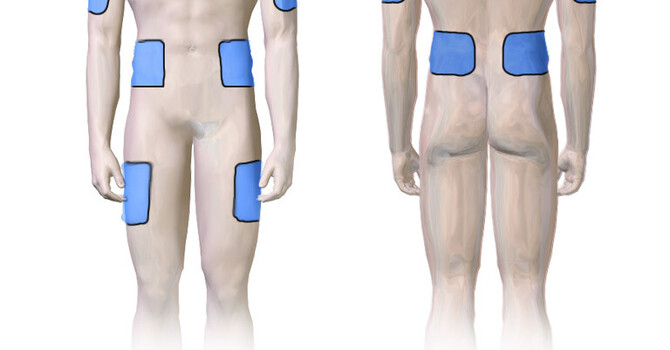
- Small subcutaneous injections
- Evening administration
- Consistent long-term use
- Regular monitoring
Nighttime dosing is often preferred because natural growth hormone release occurs primarily during sleep.
Families frequently ask about Sermorelin dosage in children for growth, but dosing is individualized based on age, weight, development, and response.
What Parents May Notice During Treatment
Growth changes occur gradually.
The earliest improvements are often subtle.
Improved Sleep Quality
Growth hormone secretion is closely linked to sleep.
Increased Appetite
Growing children often require additional calories.
Faster Clothing Size Changes
Parents frequently notice this before significant height differences become obvious.
Better Growth Chart Performance
Children may gradually improve their position on growth curves.
Improved Annual Growth Rate
This is often the most important measurable outcome.
These observations are frequently discussed when reviewing pediatric Sermorelin treatment results.
Why Bone Age Testing Is So Important
One of the most valuable tools used during a child growth assessment is a bone age study.
A bone age test helps determine:
- Skeletal maturity
- Remaining growth potential
- Growth plate status
- Predicted adult height
Children with delayed bone age often have more growth opportunity remaining than their chronological age would suggest.
This information helps guide treatment recommendations.
Why Some Children Do Not Need Treatment
Not every short child requires intervention.
Some children are simply:
- Late bloomers
- Following family growth patterns
- Experiencing constitutional growth delay
Many families seeking answers about height potential in children ultimately learn that monitoring is the most appropriate approach.
This is why comprehensive evaluation is essential before beginning any therapy.
What Testing Is Usually Performed?
A comprehensive pediatric growth evaluation often includes:
Growth Chart Review
Evaluating long-term height trends and growth curve percentiles.
Growth Velocity Analysis
Determining whether growth rates are appropriate.
Bone Age Imaging
Assessing skeletal maturity.
Hormone Testing
Including IGF-1 and other endocrine markers.
Adult Height Prediction
Many parents ask:
Growth specialists use multiple tools to estimate future height potential.
Why Early Evaluation Matters
One of the most important concepts in pediatric growth medicine is timing.
Growth opportunity decreases as skeletal maturation progresses.
Eventually, growth plates close after puberty, limiting further height gains.
This is why families should consider evaluation when they notice:
- Falling growth percentiles
- Delayed growth patterns
- Delayed puberty
- Slow annual growth rates
Parents often begin seeking answers after wondering:
- is my child too short for their age
- why is my child the shortest in class
- when should a child see a pediatric endocrinologist
These questions frequently indicate that further evaluation may be appropriate.
Frequently Asked Questions
Is Sermorelin the same as growth hormone?
No. Sermorelin stimulates growth hormone production, while HGH therapy supplies growth hormone directly.
Can Sermorelin help children grow taller?
It may help certain children by improving growth velocity and growth hormone signaling.
How long does it take to see results?
Most improvements occur gradually over months and years.
Does every child with short stature need treatment?
No. Some children simply develop later than peers and require monitoring rather than intervention.
What is the first sign treatment is working?
Improved growth velocity is often the earliest measurable change.
The Bottom Line
Sermorelin for children height growth works by stimulating the body's natural production of growth hormone rather than replacing hormone directly.
For children with reduced growth hormone signaling—but preserved pituitary function—this approach may help improve growth velocity, support healthy development, and encourage progress toward natural height potential.
However, not every child requires treatment.
Through growth chart review, bone age assessment, hormone testing, and ongoing monitoring, providers can determine whether Sermorelin, observation, or another treatment strategy is most appropriate.
The earlier growth concerns are identified, the greater the opportunity to maximize healthy growth while growth plates remain open.
Medically Reviewed By
Dr. Devin Stone, ND
Dr. Devin Stone is a Doctor of Naturopathic Medicine and founder of HGHforChildren.com. His clinical focus includes pediatric growth optimization, short stature evaluation, delayed bone age assessment, growth hormone signaling, constitutional growth delay, IGF-1 evaluation, and evidence-informed therapies designed to help children maximize healthy growth potential.
References
Grimberg A, DiVall SA, Polychronakos C, et al. Guidelines for Growth Hormone and IGF-I Treatment in Children. Hormone Research in Paediatrics.
Growth Hormone Research Society. Consensus Guidelines for Pediatric Growth Disorders.
American Academy of Pediatrics. Evaluation and Management of Short Stature in Children.
National Institute of Diabetes and Digestive and Kidney Diseases (NIDDK). Growth Disorders and Growth Hormone Deficiency.
National Institutes of Health (NIH). Pediatric Endocrinology and Growth Assessment Resources.
Devin Stone
Contact Me