Parents researching treatment options frequently ask about sermorelin side effects in children before deciding whether therapy is right for their child. Safety concerns are understandable, especially when treatment may continue for months or even years during important stages of growth and development.
Fortunately, sermorelin has a different mechanism than direct growth hormone replacement. Rather than providing growth hormone itself, sermorelin stimulates the body's natural growth hormone pathway, encouraging the pituitary gland to release growth hormone in a more physiologic manner.
Because of this natural stimulation process, many families view sermorelin for children as an option that works with the body's existing growth system rather than replacing it.
Like any medical therapy, however, sermorelin can cause side effects. Understanding what is normal, what is uncommon, and what should prompt a call to your provider can help families feel more confident throughout treatment.
What Is Sermorelin?
Sermorelin is a synthetic version of Growth Hormone Releasing Hormone (GHRH), a naturally occurring hormone produced by the brain.
Under normal circumstances:
- The hypothalamus releases GHRH
- The pituitary gland receives the signal
- Growth hormone is released
- The liver produces IGF-1
- Growth plates receive growth signals
Sermorelin works by supporting this natural process.
Unlike HGH for children to grow taller, which provides growth hormone directly, sermorelin encourages the body to use its own hormone production system.
Why Side Effects Can Occur
Whenever hormone signaling changes, the body needs time to adapt.
During the first few weeks of treatment, children may experience temporary symptoms as their growth hormone pathway becomes more active.
These effects are usually related to:
- Hormonal adjustment
- Increased growth signaling
- Changes in sleep patterns
- Increased metabolic activity
Most symptoms improve as the body adapts.
Common Sermorelin Side Effects in Children
The majority of reported side effects are mild and temporary.
Injection Site Reactions
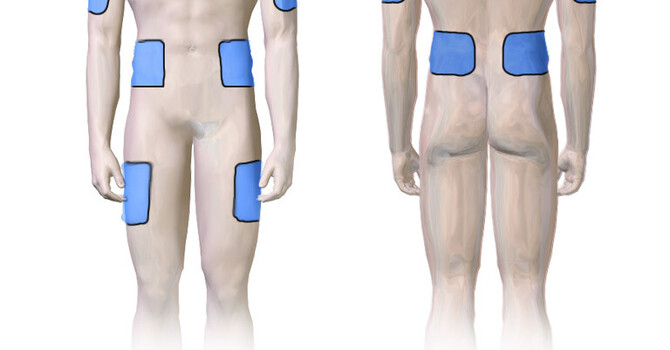
The most common complaint is mild irritation where the medication is injected.
Children may experience:
- Redness
- Mild swelling
- Tenderness
- Itching
Rotating injection sites often helps minimize irritation.
Mild Headaches
Some children experience temporary headaches during the early stages of treatment.
These headaches are generally:
- Mild
- Short-lived
- Responsive to hydration and rest
Persistent headaches should always be discussed with a healthcare provider.
Increased Appetite
Growth requires energy.
As treatment supports improved growth signaling, some children notice:
- Increased hunger
- Larger meal portions
- More frequent requests for snacks
This is often viewed as a positive sign that the body is entering a more active growth phase.
Flushing or Warmth
A small number of children experience temporary flushing after injections.
This usually resolves quickly without intervention.
Sleep Changes
Because growth hormone is released primarily during sleep, some children notice:
- More vivid dreams
- Slight restlessness near bedtime
- Changes in sleep patterns
These symptoms are usually temporary.
Less Common Side Effects
Although uncommon, some children report additional symptoms during treatment.
Mild Joint Discomfort
As growth velocity increases, temporary joint aches may occur.
This is similar to what some children experience during natural growth spurts.
Parents may notice:
- Leg discomfort
- Knee aches
- Growing pains
These symptoms are generally mild and temporary.
Mild Nausea
Occasional stomach discomfort can occur during the adjustment period.
Temporary Fatigue
Some children feel slightly tired while their body adapts to changing hormone signals.
This usually improves within the first few weeks.
Rare Symptoms Parents Should Report
Serious complications from sermorelin are uncommon, but certain symptoms should always be discussed with your provider.
Contact your healthcare team if your child develops:
Persistent Headaches
Especially headaches that:
- Become severe
- Occur frequently
- Wake the child from sleep
Vision Changes
Changes such as:
- Blurry vision
- Double vision
- Difficulty focusing
require prompt evaluation.
Significant Swelling
Excessive swelling of:
- Hands
- Feet
- Face
should be reported.
Ongoing Joint Pain
Persistent pain that interferes with daily activities deserves medical review.
Why Monitoring Is So Important
The safety of sermorelin depends heavily on proper follow-up.
Regular monitoring helps providers ensure:
- Appropriate growth velocity
- Healthy hormone levels
- Normal development
- Proper treatment response
This is one reason many families undergo routine growth hormone monitoring labs during treatment.
Monitoring allows providers to make adjustments before small issues become larger concerns.
What Labs May Be Monitored?
Children receiving therapy may undergo periodic evaluation of:
IGF-1 Levels
Children with low IGF-1 often have these levels monitored closely to evaluate treatment response.
Metabolic Markers
Providers sometimes assess:
- Blood sugar
- Insulin sensitivity
- General metabolic health
Parents researching growth hormone therapy insulin resistance often find reassurance that routine monitoring helps detect concerns early.
Thyroid Function
Thyroid hormones play a critical role in normal growth and development.
Monitoring Growth Beyond Blood Tests
Laboratory testing is only one part of follow-up care.
Providers also monitor:
Growth Velocity
Children with poor growth velocity may require more frequent assessment.
Bone Age
A bone age assessment helps determine:
- Remaining growth potential
- Skeletal maturity
- Growth plate status
Children with delayed bone age often have additional growth potential remaining.
Puberty Progression
Families frequently ask does HGH affect puberty timing, and while sermorelin and growth hormone do not directly control puberty, developmental monitoring remains important throughout treatment.
When Sermorelin May Be Appropriate
Sermorelin is often considered when a child has:
- Mild growth hormone signaling reduction
- constitutional growth delay
- Delayed growth patterns
- Remaining growth potential
Children who still have functioning pituitary glands are typically the best candidates because sermorelin relies on the body's ability to produce growth hormone.
When Sermorelin May Not Be Appropriate
Not every child with short stature is a candidate for therapy.
Treatment may not be recommended when:
Growth Plates Have Closed
Once growth plates close, additional height gain becomes extremely limited.
Severe Growth Hormone Deficiency Exists
Children with confirmed growth hormone deficiency may require direct hormone replacement rather than stimulation therapy.
Another Condition Explains Slow Growth
Certain medical conditions require different interventions.
No Growth Disorder Is Present
Many children simply have normal variations in growth timing.
This is why a comprehensive pediatric growth evaluation appointment is essential before considering treatment.
Comparing Sermorelin to HGH Safety
Parents frequently ask whether sermorelin is safer than direct growth hormone therapy.
This question is discussed in greater detail in is sermorelin safer than HGH in children, but the short answer is that both therapies can be safe when appropriately prescribed and monitored.
The primary difference is how they work:
Sermorelin
- Stimulates natural hormone production
- Requires a functioning pituitary gland
- Relies on natural feedback systems
HGH
- Provides growth hormone directly
- Works even when hormone production is inadequate
- Requires dose-based regulation
The best treatment depends on the child's diagnosis rather than a universal safety ranking.
Long-Term Safety Outlook
Research examining growth hormone treatment years duration safety continues to show reassuring outcomes when children receive appropriate medical supervision.
Because sermorelin stimulates natural hormone production rather than replacing hormones directly, many children tolerate long-term treatment well.
Regular follow-up helps ensure:
- Healthy growth patterns
- Balanced hormone signaling
- Appropriate developmental progression
Frequently Asked Questions
Are sermorelin side effects common in children?
Most side effects are mild, temporary, and manageable.
What is the most common side effect?
Injection-site irritation is typically the most frequently reported issue.
Can sermorelin cause headaches?
Mild headaches occasionally occur, particularly during treatment adjustment.
Does sermorelin affect puberty?
No. Puberty is regulated by reproductive hormones rather than growth hormone signaling alone.
Is long-term treatment safe?
When medically supervised and appropriately monitored, sermorelin generally has a favorable safety profile.
The Bottom Line
Understanding sermorelin side effects in children helps families approach treatment with realistic expectations and confidence.
Most children tolerate therapy well, with side effects generally limited to mild symptoms such as:
- Injection-site irritation
- Mild headaches
- Temporary flushing
- Increased appetite
- Minor sleep adjustments
More serious symptoms are uncommon but should always be reported promptly.
Through regular follow-up, growth hormone monitoring labs, bone age assessment, growth tracking, and developmental evaluations, providers can help children receiving sermorelin for children progress safely toward their natural height potential.
The goal of treatment is not excessive growth—it is healthy, balanced development that supports normal childhood growth patterns.
Medically Reviewed By
Dr. Devin Stone, ND
Dr. Devin Stone is a Doctor of Naturopathic Medicine and founder of HGHforChildren.com. His clinical focus includes pediatric growth optimization, growth hormone deficiency, delayed bone age assessment, constitutional growth delay, IGF-1 evaluation, and evidence-informed therapies designed to help children maximize healthy growth potential.
References
- Pediatric Endocrine Society. Growth Hormone and Growth Disorders.
- Growth Hormone Research Society Consensus Guidelines.
- Endocrine Society Clinical Practice Guidelines.
- Hormone Research in Paediatrics.
- National Institutes of Health (NIH).
- National Institute of Diabetes and Digestive and Kidney Diseases (NIDDK).
- American Academy of Pediatrics. Pediatric Growth Disorders.
- Merimee TJ, et al. Clinical Applications of Sermorelin Therapy.
Devin Stone
Contact Me