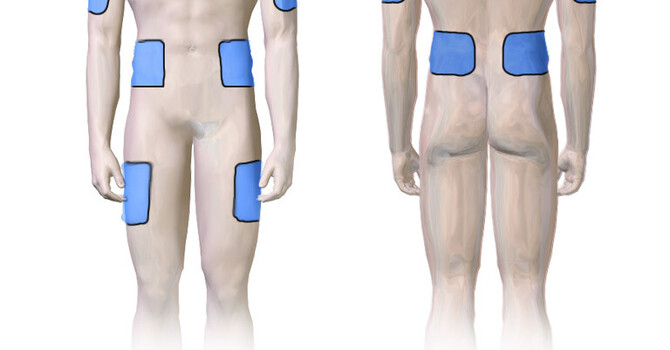
When a child begins treatment, sleep optimization during growth hormone therapy becomes one of the most important — and often overlooked — factors influencing outcomes. While recombinant human growth hormone (HGH) supports linear growth, quality sleep enhances the body’s natural hormone rhythms and maximizes therapy effectiveness.
Growth hormone is naturally released in pulses during deep sleep. Even when a child is receiving prescribed HGH injections, healthy sleep patterns remain essential for optimal growth and overall development.
Why Sleep Still Matters During HGH Therapy
Some parents assume that once a child starts HGH therapy, sleep becomes less important. In reality:
-
Natural GH secretion still occurs
-
IGF-1 production is influenced by overall hormonal balance
-
Tissue repair and bone growth accelerate during deep sleep
Poor sleep can interfere with metabolic regulation, appetite control, and overall growth velocity — even during treatment.
How Growth Hormone and Sleep Work Together
The majority of natural GH release occurs during slow-wave (deep) sleep, particularly in the first few hours after falling asleep.
When sleep is disrupted:
-
Hormone signaling may become irregular
-
Growth velocity may not reach full potential
-
Energy and recovery may decline
Optimizing sleep creates the ideal environment for both natural and therapeutic growth hormone activity.
In the United States, recombinant HGH therapy is regulated by the U.S. Food and Drug Administration and requires proper medical supervision, which includes lifestyle optimization strategies like sleep support.
Recommended Sleep Duration by Age
Children receiving HGH therapy should meet age-based sleep targets:
-
School-age children: 9–12 hours
-
Teens: 8–10 hours
Consistency is just as important as total hours.
Practical Sleep Optimization Strategies
1. Consistent Bedtime Routine
Maintain the same bedtime and wake time daily, including weekends.
2. Screen-Free Evenings
Blue light from devices suppresses melatonin and delays deep sleep onset.
3. Dark, Cool Sleep Environment
A quiet, cool, and fully dark room supports slow-wave sleep.
4. Avoid Heavy Sugars at Night
High sugar intake before bed may disrupt sleep cycles.
5. Evaluate Snoring or Breathing Issues
Sleep apnea can significantly reduce deep sleep quality and should be addressed promptly.
Injection Timing and Sleep
Many providers recommend administering HGH injections in the evening to mimic natural nighttime GH pulses. Following the prescribed schedule consistently helps align therapy with the body’s circadian rhythm.
Always follow your prescribing provider’s instructions regarding timing.
Signs Sleep May Be Limiting Growth Progress
Parents should discuss sleep if they notice:
-
Difficulty falling asleep
-
Frequent night waking
-
Daytime fatigue
-
Slower-than-expected growth response
Improving sleep quality can sometimes enhance treatment outcomes without adjusting dosage.
A Holistic Approach to Growth
Sleep optimization during growth hormone therapy is not optional — it is foundational. Growth depends on:
-
Adequate nutrition
-
Consistent sleep
-
Regular monitoring
-
Physical activity
-
Medical supervision
When these elements work together, children are better positioned to reach their full genetic height potential.
Supporting Your Child’s Growth Journey
At HGH for Children, we emphasize comprehensive care that includes not only hormone therapy but also sleep optimization, nutritional guidance, and individualized monitoring to ensure the best possible outcomes.
If your child is on growth hormone therapy or considering treatment, optimizing sleep can make a measurable difference.
To learn more or schedule a consultation, visit:
https://www.HGHforChildren.com
Medically Reviewed By
Dr. Devin Stone, ND
Dr. Devin Stone, ND is a licensed naturopathic doctor and founder of HGHforChildren.com. He specializes in pediatric growth evaluation, short stature assessment, delayed puberty, bone age analysis, growth hormone deficiency screening, and growth optimization programs for children and adolescents.
Dr. Stone earned his degree from Bastyr University and has helped families nationwide better understand growth concerns through evidence-based evaluation and personalized treatment planning. His clinical focus includes growth hormone testing, IGF-1 interpretation, bone age assessment, pediatric endocrinology support, and growth-promoting interventions when medically appropriate.
Through HGHforChildren.com, Dr. Stone educates parents on childhood growth disorders, height prediction, growth velocity monitoring, and treatment options for children who may not be reaching their growth potential.
Learn more about Dr. Stone and schedule a consultation with our pediatric growth team.