One of the most common questions parents ask after noticing slow growth is: When is HGH prescribed for children?
Many families assume that any child who is shorter than classmates can receive growth hormone treatment. In reality, human growth hormone (HGH) is a prescription medication used only when specific medical criteria are met. Being shorter than average alone is usually not enough.
Before recommending treatment, pediatric growth specialists perform a detailed evaluation to determine whether a child's growth pattern reflects a normal variation of development or an underlying medical condition affecting growth.
The goal of HGH therapy is not to create exceptional height. The goal is to help children who have a diagnosed growth disorder reach a height closer to their natural genetic potential.
Understanding when growth hormone is prescribed can help parents know when a growth evaluation may be appropriate and what to expect during the diagnostic process.
The Short Answer: HGH Is Prescribed When a Medical Growth Disorder Is Present
Human growth hormone is generally prescribed when testing demonstrates that a child has a condition that prevents normal growth and development.
Examples include:
- Growth hormone deficiency
- Certain genetic growth disorders
- Chronic medical conditions affecting growth
- Severe idiopathic short stature
- Some children born small for gestational age
- Specific pituitary disorders
Before treatment is considered, physicians must determine why a child is growing slowly.
Many children who are short are completely healthy and do not require medication.
Height Alone Does Not Determine Eligibility
One of the biggest misconceptions among parents is that a child's current height automatically determines whether treatment is needed.
In reality, pediatric endocrinologists focus heavily on growth patterns.
For example:
- A child consistently tracking along the 5th percentile may be perfectly healthy.
- A child who falls from the 50th percentile to the 10th percentile may require investigation.
- A child growing less than expected each year may need testing even if their current height remains within the normal range.
Growth specialists often say:
"Growth velocity is frequently more important than height itself."
This is why evaluating growth trends over time is critical.
The First Step: Reviewing Growth History
Before discussing HGH therapy, physicians review years of growth data.
They look for:
- Falling height percentiles
- Slow annual growth rates
- Delayed skeletal maturation
- Family growth patterns
- Puberty timing
- Previous medical conditions
Children with poor growth velocity often undergo further evaluation because slowing growth can be an early sign of an underlying endocrine disorder.
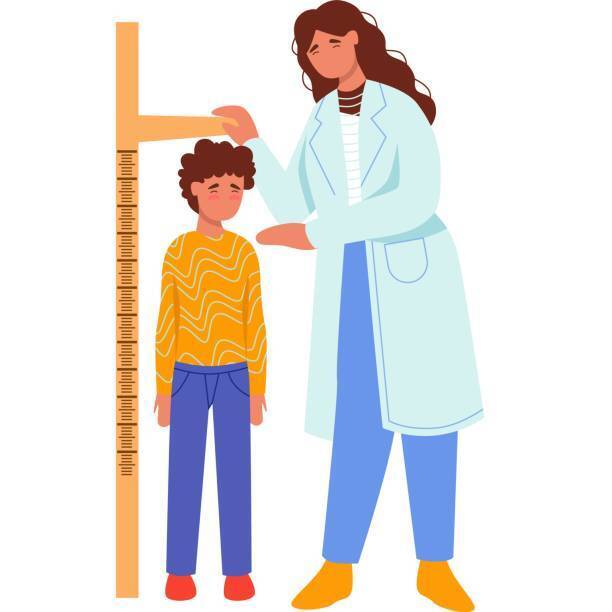
Accurate measurements collected over multiple years frequently provide more information than a single office visit.
Growth Hormone Deficiency: The Most Common Reason HGH Is Prescribed
The clearest indication for treatment is growth hormone deficiency.
This condition occurs when the pituitary gland fails to produce enough growth hormone to support normal childhood growth.
Without adequate hormone production:
- Growth slows significantly
- Height percentiles decline
- Bone maturation may lag behind age
- Puberty may be delayed
- Adult height potential may be reduced
Children with confirmed growth hormone deficiency are often excellent candidates for HGH replacement therapy because treatment directly replaces the hormone that is missing.
Understanding the Role of the Pituitary Gland
The pituitary gland is sometimes called the "master gland" because it regulates multiple hormones throughout the body.
When problems affect this gland, growth may be one of the first systems impacted.
Certain pituitary disorders can interfere with normal growth hormone production and lead to significant growth failure.
In some cases, physicians may recommend MRI imaging to evaluate the pituitary gland before treatment decisions are made.
Low IGF-1 Levels May Trigger Further Testing
Growth hormone stimulates production of insulin-like growth factor-1 (IGF-1).
Because IGF-1 remains relatively stable throughout the day, it often serves as an important screening marker.
Children with low IGF-1 levels may require additional testing to determine whether growth hormone production is inadequate.
However, low IGF-1 alone does not automatically mean a child needs HGH treatment.
Results must be interpreted alongside:
- Growth charts
- Bone age findings
- Medical history
- Physical examination
- Additional laboratory testing
Why Bone Age Is So Important
One of the most valuable tools in pediatric growth evaluation is a bone age X-ray.
This simple imaging study compares skeletal maturity to chronological age.
Children with a delayed bone age often have additional growth potential remaining because their skeletal development is occurring more slowly than average.
Bone age helps physicians determine:
- Remaining growth time
- Predicted adult height
- Timing of puberty
- Likelihood of treatment benefit
Because HGH only works while growth plates remain open, bone age plays a major role in treatment decisions.
Idiopathic Short Stature: When No Specific Cause Is Found
Some children are significantly shorter than expected despite extensive testing showing no identifiable medical disease.
This condition is called idiopathic short stature.
Children may qualify for treatment if:
- Height is extremely below average
- Predicted adult height is substantially below family expectations
- Growth concerns are significant enough to meet clinical criteria
Not every child with idiopathic short stature qualifies for growth hormone treatment.
Eligibility requires careful evaluation and discussion between families and specialists.
Constitutional Growth Delay Usually Does Not Require HGH
Many parents worry when their child enters middle school and remains much smaller than peers.
Often these children are diagnosed with constitutional growth delay.
These children are commonly referred to as "late bloomers."
Typical features include:
- Delayed bone age
- Delayed puberty
- Slower early growth
- Family history of late growth
- Eventual catch-up growth
Because growth often occurs naturally later, HGH treatment is frequently unnecessary.
Distinguishing constitutional growth delay from growth hormone deficiency is one of the most important goals of a pediatric growth evaluation.
Children Born Small for Gestational Age
Some children are born significantly smaller than expected for their gestational age.
Most experience catch-up growth during infancy and early childhood.
However, a subset remains substantially shorter than average.
When catch-up growth does not occur, growth hormone therapy may be considered to improve long-term height outcomes.
Chronic Medical Conditions That Affect Growth
Certain illnesses can interfere with normal growth even when growth hormone production itself is normal.
Examples include:
- Chronic kidney disease
- Gastrointestinal disorders
- Severe nutritional deficiencies
- Certain inflammatory conditions
In some cases, growth hormone therapy becomes part of a comprehensive treatment plan.
The underlying medical condition must also be addressed.
Growth Hormone Stimulation Testing
When growth hormone deficiency is suspected, doctors may perform specialized stimulation testing.
This test evaluates how much growth hormone the pituitary gland can release when stimulated.
Because growth hormone secretion occurs in pulses, random blood testing is unreliable.
Stimulation testing remains one of the most important tools for confirming a diagnosis before HGH is prescribed.
Why Earlier Evaluation Produces Better Results
One of the biggest factors influencing treatment success is timing.
Growth hormone can only increase height while growth plates remain open.
Earlier evaluation provides:
- More remaining growth years
- Greater cumulative height gain
- More time for treatment to work
- Better adult height outcomes
Waiting until late puberty often limits the amount of potential improvement available.
Signs Your Child May Need a Growth Evaluation
Parents should consider consulting a growth specialist if their child:
- Grows less than 2 inches per year after age 5
- Falls downward on growth charts
- Appears significantly younger than classmates
- Shows signs of delayed puberty
- Has a delayed bone age
- Has low IGF-1 levels
- Is substantially shorter than predicted family height
Early evaluation does not necessarily mean treatment will be recommended.
It simply helps identify whether a medical cause is present.
What HGH Treatment Actually Involves
If a child qualifies for therapy, treatment generally includes:
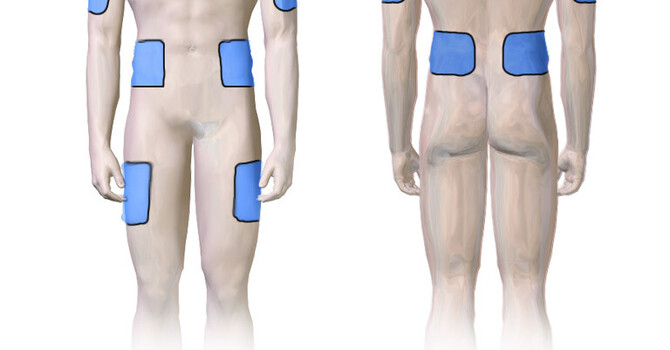
- Daily injections under the skin
- Evening administration
- Routine physician monitoring
- Regular growth measurements
- Periodic blood testing
- Ongoing bone age evaluation
Most families quickly become comfortable with home administration.
Modern injection devices are significantly easier to use than older systems.
HGH Therapy Versus Other Growth-Promoting Treatments
Parents researching growth options often encounter Sermorelin for Children.
Unlike HGH, Sermorelin stimulates the body to produce more of its own growth hormone.
Growth hormone therapy directly replaces growth hormone.
The appropriate treatment depends entirely on the child's diagnosis and endocrine evaluation.
Some children benefit from growth hormone replacement, while others may be candidates for alternative approaches.
Frequently Asked Questions
Can any short child receive HGH?
No. Treatment is generally reserved for children who meet specific medical criteria after evaluation.
What age is best to start HGH?
Earlier treatment often produces better results because growth plates remain open longer.
Is HGH used to make children taller than their genetics allow?
No. The purpose is to help children reach their natural growth potential.
Does insurance cover HGH treatment?
Coverage depends on diagnosis, testing results, and insurance policies.
How long does treatment last?
Many children continue treatment until growth plates close or growth slows significantly.
Can puberty affect treatment success?
Yes. Once puberty progresses and growth plates begin closing, height potential becomes more limited.
The Bottom Line
So, when is HGH prescribed for children?
Growth hormone therapy is prescribed when careful medical evaluation shows that a child has a growth disorder preventing normal growth and development. Conditions such as growth hormone deficiency, severe idiopathic short stature, certain pituitary disorders, and selected cases of growth failure may qualify for treatment.
Most children who are simply shorter than classmates do not need HGH. However, children who demonstrate abnormal growth patterns deserve proper evaluation to determine whether an underlying condition is affecting growth.
The earlier a growth concern is identified, the greater the opportunity to maximize healthy growth potential and improve long-term height outcomes.
Medically Reviewed By
Dr. Devin Stone, ND
Dr. Devin Stone is a Doctor of Naturopathic Medicine and founder of HGHforChildren.com. His clinical focus includes pediatric growth optimization, growth hormone deficiency, delayed bone age assessment, constitutional growth delay, IGF-1 evaluation, and evidence-informed therapies designed to help children maximize healthy growth potential.
References
- Pediatric Endocrine Society. Growth Hormone Deficiency in Children.
- Growth Hormone Research Society Consensus Guidelines.
- Endocrine Society Clinical Practice Guidelines.
- National Institute of Diabetes and Digestive and Kidney Diseases (NIDDK).
- American Academy of Pediatrics.
- Hormone Research in Paediatrics.
- National Institutes of Health (NIH).
Devin Stone
Contact Me