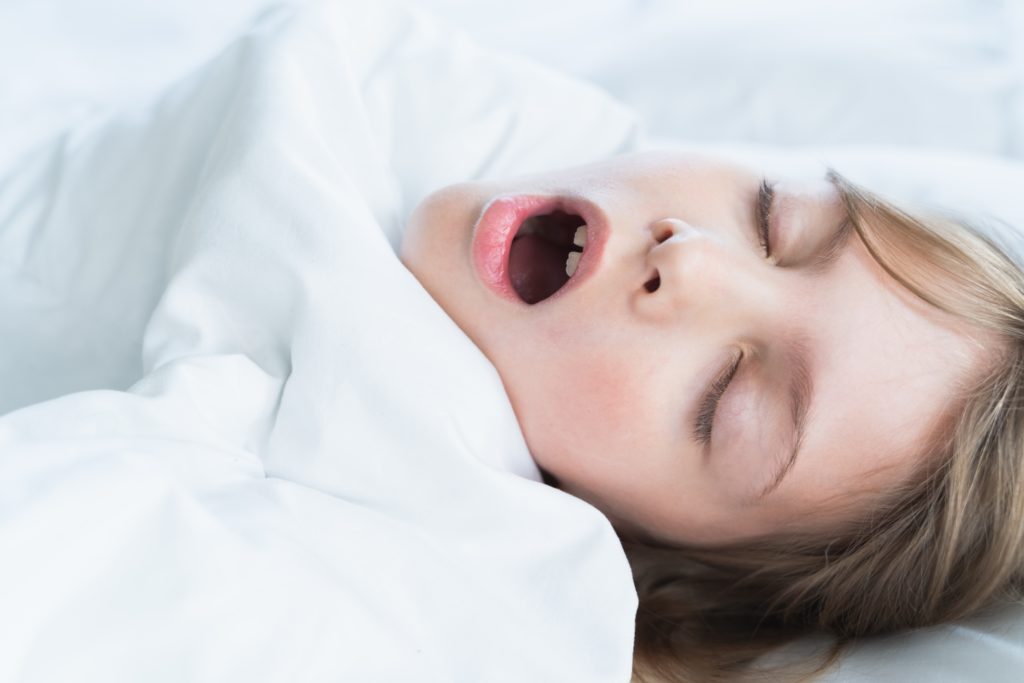
When a child is growing slowly, parents often think first about genetics, nutrition, growth hormone, or puberty. Sleep may not immediately come to mind.
But healthy sleep is closely connected to normal childhood development.
Certain sleep disorders—particularly obstructive sleep apnea and sleep-disordered breathing—have been associated with slower growth in some children. Research has also found changes in IGF-1 and catch-up growth in some children after sleep-disordered breathing is successfully treated.
That does not mean every child who snores will be short or that poor sleep automatically causes growth hormone deficiency.
The relationship is more nuanced.
Sleep disorders can potentially interfere with growth through several pathways, including:
- Fragmented deep sleep
- Abnormal nighttime breathing
- Increased energy expenditure from difficult breathing
- Changes in appetite or feeding
- Inflammation and metabolic effects
- Disruption of the normal growth hormone–IGF-1 axis
For parents concerned about height, the key is to look at sleep alongside growth velocity, nutrition, puberty, bone age, genetics, and endocrine health.
If a child snores heavily, struggles to breathe during sleep, or seems chronically exhausted while also showing Poor Growth Velocity, those findings deserve more attention than either symptom alone.
The Short Answer: Can Sleep Disorders Affect Height Growth?
Yes, some sleep disorders can be associated with impaired growth in children, particularly obstructive sleep apnea and significant sleep-disordered breathing.
Studies of children with obstructive sleep apnea have found associations with growth failure, and multiple studies have reported improvements in growth measures or growth-related biomarkers after adenotonsillectomy in appropriately selected children.
However, several important qualifications matter:
Not every sleep disorder causes poor growth.
Not every child with sleep apnea develops short stature.
Treating a sleep disorder does not guarantee additional inches of final adult height.
And most importantly:
A child with abnormal growth should not have the entire problem attributed to sleep without evaluating other possible causes.
Why Sleep Matters During Childhood Growth
Growth is not simply a matter of eating enough calories.
Normal linear growth requires coordination between:
- Genetics
- Growth hormone
- IGF-1
- Thyroid hormone
- Sex hormones
- Growth plates
- Nutrition
- Puberty
- Overall health
Sleep interacts with several of these systems.
During normal sleep, the body undergoes important processes involving:
- Hormone secretion
- Tissue repair
- Bone remodeling
- Muscle recovery
- Immune regulation
- Metabolism
- Brain development
For height development, the connection between sleep and growth hormone is particularly interesting.
Growth Hormone Is Closely Connected to Sleep
Growth hormone, or GH, is produced by the pituitary gland.
Unlike some hormones that circulate at relatively steady concentrations, growth hormone is released in pulses.
Important GH secretion occurs during sleep and is closely associated with slow-wave sleep.
This is why Why Deep Sleep Is Essential for Child Growth is an important part of understanding normal growth physiology.
Growth hormone then helps stimulate production of insulin-like growth factor 1, or IGF-1.
IGF-1 helps mediate many of growth hormone's effects throughout the body, including effects on:
- Growth plates
- Long bones
- Muscle
- Protein synthesis
- Tissue development
But parents should be careful not to oversimplify this relationship.
Poor sleep does not automatically equal Growth Hormone Deficiency.
Does Poor Sleep Lower Growth Hormone?
Potentially, sleep disruption can alter the normal environment in which GH secretion occurs, but the relationship is not as simple as:
less sleep → less growth hormone → shorter child.
Children release growth hormone in pulses, and sleep architecture, puberty, age, nutritional status, and other factors influence this process.
A child who sleeps poorly may still produce adequate growth hormone.
Likewise, a child who sleeps perfectly can have true Growth Hormone Deficiency.
Sleep therefore represents one component of the growth picture, not a standalone diagnostic test for GH function.
Which Sleep Disorder Is Most Concerning for Growth?
For parents worried about height, one of the most important conditions is pediatric obstructive sleep apnea.
What Is Obstructive Sleep Apnea in Children?
Obstructive sleep apnea, or OSA, occurs when a child's upper airway repeatedly becomes partially or completely blocked during sleep.
This can cause repeated episodes of:
- Reduced airflow
- Breathing pauses
- Oxygen changes
- Snoring
- Gasping
- Sleep fragmentation
Even when the child does not completely wake up, the brain may repeatedly shift out of normal sleep to restore breathing.
The result can be many hours spent in bed without consistently restorative sleep.
Can Sleep Apnea Slow a Child’s Growth?
Research suggests that obstructive sleep apnea can be associated with impaired growth in some children.
One study comparing children with OSA to controls found significantly higher rates of several measures of growth failure among children with OSA. After surgery, many affected children experienced catch-up or normalization of growth.
An earlier systematic review and meta-analysis examining adenotonsillectomy for sleep-disordered breathing found significant postoperative increases in standardized height, weight, IGF-1, and IGFBP-3.
This provides an important clinical lesson:
When poor growth occurs together with significant sleep-disordered breathing, the sleep problem should not be ignored.
Why Might Sleep Apnea Affect Growth?
Researchers have proposed several mechanisms.
There may not be one single explanation.
1. Disrupted Sleep Architecture
Children with OSA may repeatedly transition between sleep stages because of breathing problems.
This can interfere with restorative sleep.
Because normal GH secretion is closely related to sleep physiology, significant disruption could potentially affect the normal growth environment.
2. Changes in the GH–IGF-1 Axis
Some of the most interesting research involves IGF-1.
A 2024 systematic review and meta-analysis involving children with polysomnography-confirmed OSA found that adenotonsillectomy was associated with a significant increase in IGF-1 levels.
An earlier study similarly found that children with OSA experienced increases in IGF-1 after adenotonsillectomy.
This does not mean OSA causes classic growth hormone deficiency.
Rather, it suggests that sleep-disordered breathing may influence the broader GH–IGF-1 system in some children.
3. Increased Energy Expenditure
A child struggling to breathe at night may expend more energy than a child breathing comfortably.
In more severe cases, increased respiratory effort could theoretically contribute to an imbalance between calories consumed and energy used.
This may be particularly relevant in children who also have poor weight gain.
4. Feeding Difficulties
Enlarged tonsils or adenoids can sometimes contribute to difficulties involving:
- Eating
- Swallowing
- Nasal breathing
- Appetite
If a child consistently consumes inadequate calories, growth can suffer independently of hormone function.
This is why Is Your Child Eating Enough to Reach Their Growth Potential? should also be considered when both weight and height are falling.
5. Chronic Inflammation and Metabolic Effects
OSA is not simply a nighttime breathing problem.
Sleep-disordered breathing can affect inflammatory and metabolic pathways.
The 2024 meta-analysis examining serum biomarkers after adenotonsillectomy found changes not only in IGF-1 but also in markers such as C-reactive protein and insulin.
The biological relationship between OSA and growth is therefore likely more complex than growth hormone secretion alone.
What Happens to Growth After Sleep Apnea Is Treated?
This is one of the most interesting areas of research.
Several studies have found catch-up growth or improvements in growth-related measures after adenotonsillectomy in children with sleep-disordered breathing.
A systematic review and meta-analysis found significant postoperative improvements in standardized height and weight as well as IGF-1 and IGFBP-3.
Another study followed children with sleep-disordered breathing after adenotonsillectomy and found increased IGF-1 shortly after surgery along with improvements in height, weight, and BMI over longer-term follow-up.
More recent research in children with OSA reported improvements in height standard-deviation scores and IGF-1 after adenotonsillectomy.
These findings support an association between significant sleep-disordered breathing and growth in at least some children.
But there is an important limitation.
Treating Sleep Apnea Is Not a Height Treatment
Parents should not interpret these studies to mean that removing tonsils or treating sleep apnea is a method for making healthy children taller.
Treatment is intended to restore:
- Healthy breathing
- Healthy sleep
- Oxygenation
- Daytime functioning
- Overall health
If a child's growth was being negatively affected by sleep-disordered breathing, improving the underlying condition may allow a healthier growth pattern to emerge.
That is very different from increasing height beyond a child's biological potential.
Research reviews also acknowledge that the evidence base has limitations and that higher-quality studies examining sleep-disordered breathing and growth remain relatively scarce.
Snoring in Children: When Should Parents Pay Attention?
Many parents assume snoring is harmless.
Occasional snoring during a cold may not be concerning.
Habitual snoring is different.
Parents should pay closer attention if a child:
- Snores loudly most nights
- Stops breathing temporarily
- Gasps or chokes during sleep
- Breathes primarily through the mouth
- Sleeps in unusual positions
- Sweats heavily while sleeping
- Tosses and turns throughout the night
- Wakes frequently
- Has morning headaches
- Is difficult to wake
- Seems chronically tired
When these symptoms occur together with slow growth, further evaluation becomes particularly important.
Children With Sleep Apnea May Not Look Sleepy
Adults with sleep apnea commonly complain of daytime sleepiness.
Children can present differently.
Instead of appearing exhausted, some children may have:
- Hyperactivity
- Irritability
- Difficulty concentrating
- Behavioral problems
- Poor school performance
- Emotional changes
This can make pediatric sleep disorders easier to miss.
A child who seems "full of energy" during the day can still have disrupted sleep at night.
Mouth Breathing Can Be an Important Clue
Persistent mouth breathing—particularly during sleep—may suggest chronic nasal obstruction or upper-airway problems.
Potential causes include:
- Enlarged adenoids
- Enlarged tonsils
- Nasal congestion
- Allergic rhinitis
- Structural airway issues
Mouth breathing alone does not diagnose sleep apnea.
But when combined with:
snoring + restless sleep + breathing pauses + poor growth
it becomes much more relevant.
Can Enlarged Tonsils Affect Growth?
Indirectly, they can in some children.
Enlarged tonsils and adenoids are common contributors to pediatric sleep-disordered breathing.
When they significantly obstruct the airway, they may contribute to:
- Snoring
- Sleep fragmentation
- Abnormal breathing
- Feeding difficulties
- OSA
Studies of children undergoing adenotonsillectomy have reported improvements in growth parameters and growth-related biomarkers afterward.
Again, this does not mean every child with large tonsils requires surgery.
The clinical significance depends on symptoms, airway obstruction, sleep findings, and the child's overall health.
What About Insomnia?
Not all sleep disorders involve breathing.
Children can also experience insomnia characterized by:
- Difficulty falling asleep
- Repeated nighttime waking
- Early waking
- Chronically insufficient sleep
There is much less evidence that ordinary childhood insomnia directly causes clinically meaningful short stature.
However, chronic sleep deprivation can negatively affect:
- Mood
- Attention
- School performance
- Appetite
- Metabolism
- Physical recovery
- Overall health
Our article Can Poor Sleep Slow Height Growth? examines this distinction in greater detail.
The evidence connecting obstructive sleep-disordered breathing with growth abnormalities is stronger than evidence that simply going to bed late causes short stature.
What About Restless Legs Syndrome?
Restless legs syndrome can interfere with falling asleep and maintaining comfortable sleep.
Children may describe:
- An uncomfortable feeling in the legs
- An urge to move
- Symptoms that worsen while resting
- Improvement with movement
Iron status can sometimes be relevant in children with restless legs symptoms.
This creates an interesting overlap because iron deficiency can also affect overall health and development.
Our article Iron Deficiency and Poor Growth: What Parents Should Know explains why iron status may matter when evaluating a child with growth concerns.
What About Screen Time and Delayed Bedtime?
Screen-related sleep loss is somewhat different from a true sleep disorder.
Phones, tablets, televisions, computers, and gaming systems can contribute to:
- Later bedtimes
- Reduced total sleep
- Evening light exposure
- Mental stimulation
- Nighttime notifications
As explained in Does Screen Time Before Bed Affect Growth Hormone Release?, screens should not be described as directly "shutting off" growth hormone.
The larger concern is their effect on sleep timing and sleep quality.
For many families, improving Healthy Bedtime Habits for Growing Children may be enough to address behavioral sleep problems.
But bedtime routines cannot correct obstructive sleep apnea.
How Much Sleep Should a Growing Child Get?
Age matters.
As explained in How Much Sleep Does a Growing Child Need?, children generally require more sleep than adults, with recommended amounts decreasing gradually as children mature.
But sleep duration alone does not tell the entire story.
A child could technically spend 10 hours in bed while experiencing:
- Dozens of breathing disturbances
- Frequent awakenings
- Significant snoring
- Restless sleep
That child may not receive the same restorative sleep as a child sleeping continuously and breathing normally.
Sleep quality matters alongside sleep quantity.
Can a Sleep Disorder Cause Low IGF-1?
It may contribute to lower IGF-1 in some children, particularly in the setting of significant sleep-disordered breathing.
Research has repeatedly reported increases in IGF-1 following adenotonsillectomy in children with sleep-disordered breathing or OSA.
However, Low IGF-1 has many possible explanations.
These include:
- Growth hormone deficiency
- Inadequate nutrition
- Chronic illness
- Age
- Pubertal stage
- Liver disease
- Other physiological factors
Therefore:
A low IGF-1 result plus snoring does not prove that sleep apnea is causing the child's growth problem.
Both findings need appropriate clinical interpretation.
Sleep Apnea Is Not the Same as Growth Hormone Deficiency
This distinction is critical.
A child with sleep apnea may have completely normal pituitary GH production.
A child with Growth Hormone Deficiency may sleep normally.
And some children can potentially have both conditions.
True growth hormone deficiency is evaluated based on the broader clinical picture, including:
- Growth velocity
- Height trajectory
- IGF-1 and IGFBP-3
- Bone age
- Medical history
- Physical examination
- Additional endocrine testing when indicated
Parents should therefore avoid assuming that improving sleep automatically eliminates the need for a growth evaluation.
Growth Velocity Is One of the Most Important Clues
Whether or not a child has a sleep problem, one measurement remains extremely important:
How quickly is the child actually growing?
The Pediatric Endocrine Society emphasizes that growth velocity and changes in a child's position on the growth curve are important when evaluating short stature. Crossing downward through height percentiles can be a warning sign of an underlying problem.
This is why Poor Growth Velocity deserves attention even when a child is not yet extremely short.
Consider two children:
Child A
- 5th percentile
- Has remained near the 5th percentile for years
- Growing consistently
- Short parents
Child B
- 25th percentile
- Previously at the 70th percentile
- Continues falling
- Has slowed substantially in annual height gain
Child B may actually raise more concern despite currently being taller.
Could a Child Simply Be a Late Bloomer?
Yes.
Not every short child has a medical problem.
Children with Constitutional Growth Delay may:
- Grow later than peers
- Enter puberty later
- Have a Delayed Bone Age
- Experience their adolescent growth spurt later
This pattern can temporarily make a healthy child appear unusually short compared with classmates.
A sleep disorder can also coexist with constitutional growth delay.
This is why identifying one abnormality doesn't necessarily explain the entire growth pattern.
Could Poor Growth Be Completely Unrelated to Sleep?
Absolutely.
Slow growth can have many causes.
These include:
- Growth Hormone Deficiency
- Idiopathic Short Stature
- Constitutional Growth Delay
- Delayed Puberty
- Low IGF-1
- Pituitary Disorders
- Thyroid disease
- Celiac disease
- Chronic gastrointestinal disease
- Nutritional deficiencies
- Genetic disorders
- Chronic systemic illness
A sleep disorder should therefore be considered one possible contributor, not the default explanation.
Why Bone Age May Be Helpful
When a child is growing slowly, a Bone age test for child height can help assess skeletal maturity.
A bone-age X-ray may provide information about:
- Whether skeletal maturation is delayed
- Whether maturation is advanced
- How bone development compares with chronological age
- Whether meaningful growth potential may remain
A Delayed Bone Age can occur with constitutional growth delay, endocrine disorders, nutritional problems, and chronic disease.
Sleep apnea should not automatically be assumed to explain an abnormal bone age.
What If a Child Has Both Poor Sleep and Delayed Bone Age?
This is exactly the type of situation where a comprehensive evaluation becomes useful.
The clinician may need to determine whether:
- Sleep-disordered breathing is contributing to poor overall health.
- The child has constitutional growth delay.
- Nutrition is inadequate.
- Puberty is delayed.
- An endocrine condition is present.
- More than one factor is affecting growth.
Children do not always fit neatly into one diagnostic category.
How Are Pediatric Sleep Disorders Evaluated?
The evaluation depends on the symptoms.
A clinician may ask about:
- Snoring
- Breathing pauses
- Gasping
- Mouth breathing
- Bedtime
- Wake time
- Nighttime awakenings
- Restless sleep
- Daytime behavior
- Morning headaches
- School performance
- Nasal congestion
- Tonsil size
When obstructive sleep apnea is suspected, an overnight sleep study—polysomnography—may be recommended.
A sleep study can evaluate:
- Airflow
- Breathing effort
- Oxygen levels
- Heart rate
- Brain activity
- Sleep stages
- Body movements
Depending on the situation, evaluation may involve pediatrics, pediatric sleep medicine, pulmonology, or an ear, nose, and throat specialist.
How Should Growth Be Evaluated at the Same Time?
When abnormal sleep occurs together with slow growth, the growth problem should be evaluated on its own merits.
A comprehensive assessment may include:
- Current height
- Current weight
- Previous measurements
- Height percentile
- Weight percentile
- Annual growth velocity
- Mid-parental target height
- Puberty stage
- Birth history
- Nutrition
- Medical history
- Family growth patterns
A Pediatric Growth Evaluation Checklist can help parents organize these pieces before an appointment.
What Laboratory Tests Might Be Considered?
Testing should be individualized.
Depending on the child's presentation, Pediatric endocrine labs for height evaluation may include:
- Complete blood count
- Comprehensive metabolic panel
- Thyroid studies
- Celiac screening
- IGF-1
- IGFBP-3
- Iron studies
- Other nutritional testing when indicated
- Puberty-related hormones when appropriate
A child with significant sleep symptoms may also require a separate sleep evaluation rather than simply adding more blood tests.
Should a Child’s Growth Be Rechecked After Treating Sleep Apnea?
Yes.
If sleep-disordered breathing may have contributed to slow growth, objective growth measurements after treatment can be useful.
Clinicians may monitor:
- Height
- Weight
- Height percentile
- Growth velocity
- BMI
- IGF-1 when clinically appropriate
Research showing catch-up growth after adenotonsillectomy reinforces the value of tracking the child's growth trajectory after treatment rather than assuming the problem has resolved.
How Quickly Could Growth Improve?
There is no universal timeline.
Some studies have reported measurable changes in IGF-1 and growth parameters within months after treatment of sleep-disordered breathing. One study of children with OSA reported improvements in height standard-deviation scores at three and 12 months following adenotonsillectomy, with IGF-1 also improving by 12 months.
But individual responses vary.
Factors include:
- Age
- Puberty
- Severity of OSA
- Nutritional status
- Baseline height
- Underlying diagnosis
- Remaining growth potential
Parents should therefore focus on serial growth measurements, not immediate visible changes.
When Should Parents Seek Evaluation?
Consider discussing the combination of sleep and growth with your child's healthcare provider if your child:
- Snores loudly most nights
- Has pauses in breathing
- Gasps or chokes during sleep
- Breathes through the mouth chronically
- Has very restless sleep
- Is difficult to wake
- Has morning headaches
- Has unusual daytime fatigue or hyperactivity
- Is falling downward on the growth chart
- Has Poor Growth Velocity
- Is significantly shorter than expected for family height
- Has poor weight gain
- Has delayed puberty
The combination of abnormal breathing during sleep + abnormal growth is particularly important.
A Sleep and Growth Checklist for Parents
Before an appointment, consider writing down the answers to these questions:
Sleep
- What time does my child usually fall asleep?
- What time do they wake?
- Do they snore?
- How often?
- Have I noticed breathing pauses?
- Do they gasp?
- Do they breathe through their mouth?
- Is sleep restless?
- Do they wake frequently?
- Are they tired or unusually hyperactive during the day?
Growth
- What is my child's current height?
- What was their height six months ago?
- What was it one year ago?
- Has the height percentile changed?
- Is weight also falling?
- Are the parents short, average, or tall?
- Has puberty started?
- Has a bone-age X-ray been performed?
This information can help clinicians determine whether sleep and growth concerns may be related—or whether two separate issues require evaluation.
Final Thoughts
Can sleep disorders affect height development?
Yes—particularly when a significant disorder such as obstructive sleep apnea repeatedly interferes with normal breathing and restorative sleep.
Research has linked pediatric sleep-disordered breathing with growth abnormalities and has found increases in height-related measures, IGF-1, or catch-up growth after treatment in some children.
But the evidence does not support telling parents that every child who sleeps poorly will become shorter.
Height development is influenced by many factors:
genetics + nutrition + growth hormone + IGF-1 + puberty + skeletal maturity + overall health + sleep.
For parents, the most useful warning pattern is not simply "my child doesn't sleep well."
It is:
"My child has persistent signs of abnormal sleep or breathing AND is not growing as expected."
That combination deserves investigation.
If a child continues to fall across height percentiles, has Poor Growth Velocity, or remains substantially shorter than expected even after a sleep problem is addressed, a dedicated pediatric growth evaluation can help determine whether Growth Hormone Deficiency, Low IGF-1, Constitutional Growth Delay, nutritional problems, delayed puberty, or another condition may also be involved.
The goal is not to blame sleep for every growth problem.
It is to make sure an important—and sometimes treatable—piece of the child's growth picture isn't overlooked.
Medically Reviewed By
Dr. Devin Stone, ND
Dr. Devin Stone is a Doctor of Naturopathic Medicine and founder of HGHforChildren.com. His clinical focus includes pediatric growth optimization, growth hormone deficiency, delayed bone age assessment, constitutional growth delay, IGF-1 evaluation, and evidence-informed therapies designed to help children maximize healthy growth potential.
References
- Bonuck KA, Freeman K, Henderson J. Growth and growth biomarker changes after adenotonsillectomy: systematic review and meta-analysis. Archives of Disease in Childhood. The analysis found increases in standardized height, weight, IGF-1, and IGFBP-3 following adenotonsillectomy.
- Serum Biomarkers after Adenotonsillectomy for Pediatric OSA: A Systematic Review and Meta-Analysis. Laryngoscope. 2024. Adenotonsillectomy was associated with significantly increased IGF-1 in children with polysomnography-confirmed OSA.
- Yoshioka Y, et al. Improvements in blood IGF-1 and skeletal age following adenotonsillectomy for growth delay in children with obstructive sleep apnea. Auris Nasus Larynx. 2024;51(2):236–241.
- Changes in serum levels of IGF-1 and in growth following adenotonsillectomy in children. Long-term follow-up found increases in growth measures and IGF-1 after treatment of sleep-disordered breathing.
- Obstructive sleep apnea syndrome and growth failure. Research found higher rates of several measures of growth failure among children with OSA and catch-up growth in many affected children after treatment.
- Pediatric Endocrine Society. Short Stature: A Guide for Families. Reviews the importance of growth velocity, growth-chart trajectory, and evaluation of abnormal childhood growth.
- Beyond the growth delay in children with sleep-related breathing disorders: a systematic review. Reviews the evidence for growth changes and growth-related biomarkers following treatment while noting limitations in study quality.
Devin Stone
Contact Me

Frequently Asked Questions
Can Sleep Disorders Affect Height Development FAQs
Obstructive sleep apnea has been associated with growth impairment in some children. Research has also reported catch-up growth and increases in growth-related biomarkers after treatment in some pediatric patients.
Occasional snoring does not mean a child will have impaired growth. Habitual loud snoring—especially with breathing pauses, gasping, restless sleep, or slow growth—can indicate sleep-disordered breathing and deserves evaluation.
Enlarged tonsils and adenoids can contribute to upper-airway obstruction and pediatric sleep-disordered breathing. Studies of affected children have reported improvements in growth and IGF-1 after adenotonsillectomy, although surgery is not appropriate solely as a height treatment.
Sleep-disordered breathing may influence the IGF-1 axis in some children. A recent meta-analysis found significantly higher IGF-1 after adenotonsillectomy in children with polysomnography-confirmed OSA. A low IGF-1 result, however, has many possible causes and does not diagnose sleep apnea or growth hormone deficiency.
If sleep-disordered breathing is contributing to impaired growth, treating it may allow catch-up growth in some children. It cannot be assumed to increase height beyond a child's normal biological potential.
The evidence connecting ordinary insomnia directly to short stature is much weaker than the evidence involving significant obstructive sleep-disordered breathing. Chronic insufficient sleep is still unhealthy and should be addressed.
Short stature alone does not mean a child needs polysomnography. A sleep study may become relevant when growth concerns occur alongside habitual snoring, breathing pauses, gasping, or other symptoms suggesting sleep apnea.
Yes. One does not exclude the other. A child with abnormal growth should be evaluated based on growth velocity, history, examination, bone age, and appropriate laboratory testing even when a sleep disorder is present.
