Can Iron Deficiency Affect a Child's Height Growth?
When a child isn't growing as expected, parents naturally begin searching for possible explanations. One concern that often arises is whether iron deficiency could be responsible for slow height gain or short stature.
The answer is yes—but usually indirectly.
Iron is an essential mineral that supports oxygen delivery throughout the body, brain development, muscle function, energy production, and normal childhood growth. Children who have significant iron deficiency, especially when it progresses to iron deficiency anemia, may experience slower growth, fatigue, poor appetite, and delayed development. However, iron deficiency alone is rarely the only cause of a child falling behind on the growth chart.
Many children with poor growth have multiple contributing factors, including nutrition, genetics, hormone production, chronic illness, delayed puberty, or endocrine disorders. Understanding how iron fits into healthy growth helps parents know when dietary changes may be enough—and when a comprehensive pediatric growth evaluation is warranted.
Why Iron Is Essential for Childhood Growth
Iron is involved in nearly every major growth process occurring inside a child's body.
It helps:
- Produce healthy red blood cells
- Deliver oxygen to growing tissues
- Support muscle development
- Maintain brain function
- Promote normal immune function
- Assist cellular energy production
- Support healthy physical development
Growing children have higher iron requirements because their bodies are constantly producing new blood cells, muscle tissue, and bone.
Without adequate iron, the body begins prioritizing essential organs over growth, meaning height gain may gradually slow if the deficiency becomes significant.
Does Iron Directly Make Children Grow Taller?
No.
Iron is not a growth hormone, nor does it directly stimulate bone growth.
Instead, iron supports the body's ability to maintain normal growth by ensuring that tissues receive enough oxygen and nutrients to function efficiently.
Healthy height development depends on many systems working together, including:
- Genetics
- Nutrition
- Sleep
- Physical activity
- Hormone production
- Bone health
- Growth plate function
- Protein intake
- Thyroid function
- Growth hormone and IGF-1 signaling
Iron is one important component of this complex system.
Correcting iron deficiency helps restore normal body function, but it does not cause children to exceed their inherited height potential.
How Iron Deficiency Can Affect Height Growth
Iron deficiency influences growth through several different mechanisms.
Reduced Oxygen Delivery
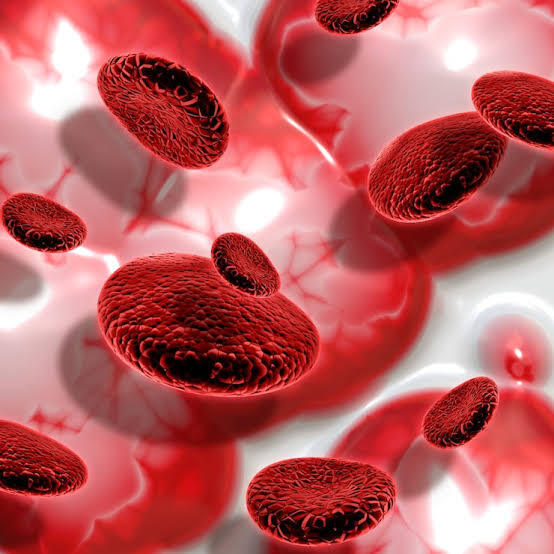
Iron forms the core component of hemoglobin, the protein inside red blood cells that transports oxygen.
When iron levels become too low:
- Less oxygen reaches muscles.
- Less oxygen reaches growing bones.
- Cellular energy production declines.
- Growth processes become less efficient.
Because childhood growth requires enormous amounts of energy, chronic oxygen deficiency can gradually reduce growth velocity.
Poor Appetite
One of the earliest symptoms of iron deficiency is decreased appetite.
Children who eat less may also consume fewer:
- Calories
- Protein
- Calcium
- Vitamin D
- Zinc
- Other essential nutrients
Over time, inadequate nutrition can compound the effects of iron deficiency and further impair healthy growth.
Increased Fatigue
Iron-deficient children frequently experience:
- Low energy
- Difficulty exercising
- Reduced endurance
- Daytime sleepiness
- Difficulty concentrating
These symptoms may not directly reduce height but often indicate that the body is functioning below its optimal level.
Delayed Physical Development
Children with long-standing iron deficiency anemia may experience slower overall development.
This can include:
- Delayed motor milestones
- Reduced muscle strength
- Lower physical activity
- Slower weight gain
- Occasionally slower linear growth
Fortunately, many of these effects improve once iron deficiency is identified and treated appropriately.
Does Iron Deficiency Cause Short Stature?
Usually not by itself.
Children with mild iron deficiency rarely develop significant short stature solely because of low iron.
However, severe or prolonged deficiency may contribute to:
- Slowed height velocity
- Poor weight gain
- Delayed overall development
If a child is:
- Growing less than expected each year
- Falling downward on the growth chart
- Below the fifth percentile for height
- Experiencing delayed puberty
there is often another explanation in addition to iron deficiency.
This is why experienced pediatric growth specialists perform a complete evaluation rather than assuming one abnormal laboratory value explains everything.
Iron Deficiency Versus Other Causes of Poor Growth
Iron deficiency often overlaps with conditions that require very different treatments.
Growth Hormone Deficiency
Children with Growth Hormone Deficiency may experience:
- Slow height gain
- Delayed bone age
- Increased body fat
- Younger facial appearance
- Low growth velocity
Unlike iron deficiency, this condition results from inadequate production of growth hormone by the pituitary gland.
Low IGF-1
Children with Low IGF-1 levels may have reduced growth despite adequate nutrition.
Because IGF-1 is one of the primary mediators of growth hormone activity, abnormal levels often require additional endocrine evaluation rather than nutritional treatment alone.
Poor Growth Velocity
Sometimes the greatest concern is not a child's current height but how slowly they are growing.
Children with Poor Growth Velocity may appear healthy while gaining less than the expected two to two-and-a-half inches per year before puberty.
This often signals the need for further evaluation.
Constitutional Growth Delay
Children with Constitutional Growth Delay are commonly referred to as "late bloomers."
These children often have:
- Delayed bone age
- Delayed puberty
- Family history of late growth
- Normal adult height prediction
Iron deficiency may coexist but usually does not explain the overall growth pattern.
Idiopathic Short Stature
Some children remain significantly shorter than expected despite normal laboratory testing.
These children may ultimately receive a diagnosis of Idiopathic Short Stature, meaning no specific medical cause explains their reduced height.
Which Children Are Most at Risk for Iron Deficiency?
Several groups have increased risk.
Rapidly Growing Infants
Infants grow extremely quickly during their first year of life.
Without adequate dietary iron, their stores may become depleted.
Toddlers
Toddlers frequently develop iron deficiency because they:
- Eat limited diets
- Drink excessive cow's milk
- Become selective eaters
- Consume inadequate iron-rich foods
Adolescents
Puberty dramatically increases iron requirements.
Girls begin losing iron through menstruation, while boys require additional iron to support rapid muscle growth and increased blood volume.
Athletes
Highly active children and teenagers may have greater iron requirements due to increased physical demands.
Children with Chronic Medical Conditions
Iron deficiency occurs more commonly in children with:
- Celiac disease
- Inflammatory bowel disease
- Chronic kidney disease
- Gastrointestinal bleeding
- Malabsorption disorders
Common Symptoms of Iron Deficiency
Many symptoms develop gradually.
Parents may notice:
- Fatigue
- Pale skin
- Poor concentration
- Headaches
- Irritability
- Shortness of breath during activity
- Reduced appetite
- Frequent infections
- Difficulty exercising
- Slow growth
- Poor school performance
Some children develop no obvious symptoms until laboratory testing is performed.
How Is Iron Deficiency Diagnosed?
Diagnosing iron deficiency requires more than checking a single laboratory value.
Evaluation often includes:
- Complete blood count (CBC)
- Ferritin
- Serum iron
- Total iron-binding capacity (TIBC)
- Transferrin saturation
- Reticulocyte count when appropriate
If poor growth is also present, physicians frequently expand the evaluation to identify other contributing factors.
Additional testing may include:
- Pediatric endocrine labs for height evaluation
- Thyroid function studies
- Comprehensive metabolic panel
- Celiac screening
- Vitamin D levels
- Growth Hormone Deficiency lab values in children
- Bone age X-ray
- IGF-1
- IGFBP-3
Rather than assuming iron deficiency explains slow growth, clinicians evaluate the child's entire growth pattern, nutritional status, and endocrine function.
Can Treating Iron Deficiency Improve Growth?
If iron deficiency contributes to poor appetite, anemia, fatigue, or nutritional compromise, correcting the deficiency often improves a child's overall health.
Children frequently experience:
- Improved energy
- Better appetite
- Increased physical activity
- Improved school performance
- Better exercise tolerance
Some children also demonstrate improved growth velocity after treatment, particularly when iron deficiency was a major contributing factor.
However, if height continues to lag despite normalized iron levels, additional evaluation should be performed to rule out hormonal or other medical causes.
For many children, iron replacement is one important step—not the final answer—in understanding why growth has slowed.
How Is Iron Deficiency Treated?
The treatment for iron deficiency depends on the child's age, laboratory results, symptoms, and the underlying cause. Simply increasing iron intake may not be enough if the deficiency is caused by poor absorption, chronic blood loss, or another medical condition.
Treatment often includes:
- Iron supplementation prescribed by a healthcare provider
- Increasing dietary iron intake
- Improving overall nutrition
- Identifying and treating the underlying cause
- Follow-up laboratory testing to ensure iron stores have normalized
Children with iron deficiency anemia generally require several months of treatment to replenish iron stores completely. Even after blood counts improve, supplementation may continue for a period to rebuild the body's iron reserves.
Parents should never start high-dose iron supplements without medical guidance, as excessive iron intake can be dangerous.
Best Food Sources of Iron for Children
Diet plays an important role in preventing and correcting iron deficiency.
Excellent sources of iron include:
Animal Sources (Heme Iron)
Heme iron is absorbed more efficiently by the body.
Examples include:
- Lean beef
- Chicken
- Turkey
- Liver (in moderation)
- Tuna
- Salmon
- Sardines
Plant Sources (Non-Heme Iron)
Plant-based sources include:
- Lentils
- Beans
- Spinach
- Tofu
- Pumpkin seeds
- Fortified cereals
- Quinoa
- Oatmeal
Because plant-based iron is absorbed less efficiently, pairing these foods with vitamin C-rich foods such as oranges, strawberries, bell peppers, or broccoli can significantly improve absorption.
Nutrients That Work Together With Iron
Iron is only one part of healthy childhood growth.
Several nutrients work together to support bone development and normal height gain.
These include:
- Vitamin D and height growth
- Calcium
- Zinc
- Protein
- Vitamin C
- Magnesium
- Vitamin B12
- Folate
A child with multiple nutritional deficiencies may experience slower growth than a child who is deficient in only one nutrient.
For this reason, pediatric providers often evaluate overall nutrition rather than focusing on a single vitamin or mineral.
When Should Parents Seek a Growth Evaluation?
Parents should consider scheduling a comprehensive evaluation if their child:
- Is growing less than approximately 2 inches (5 cm) per year before puberty
- Continues dropping on the growth chart
- Is below the 3rd–5th percentile for height
- Has delayed puberty
- Has delayed bone age
- Has chronic fatigue despite treatment
- Has persistent iron deficiency without explanation
- Has a family history of endocrine disorders
- Has poor appetite and inadequate weight gain
While iron deficiency may contribute to poor growth, persistent growth concerns deserve a broader evaluation that looks beyond nutrition alone.
Why Iron Deficiency Should Not Be Evaluated Alone
One of the biggest mistakes parents can make is assuming a low iron level completely explains slow growth.
Healthy height depends on many interacting systems, including:
- Genetics
- Hormone production
- Nutrition
- Bone health
- Growth plates
- Puberty timing
- Sleep quality
- Chronic medical conditions
A pediatric growth specialist evaluates these factors together to determine whether additional testing or treatment is needed.
A comprehensive evaluation may include:
- Detailed growth chart review
- Family height analysis
- Bone age assessment
- Nutritional evaluation
- Hormone testing
- Screening for chronic illnesses
- Laboratory studies
This approach helps identify children who may benefit from nutritional treatment alone versus those with underlying endocrine disorders requiring specialized care.
Final Thoughts
Iron is essential for healthy childhood development, but it represents only one piece of the complex process that determines how children grow.
When iron deficiency develops, children may experience fatigue, poor appetite, reduced physical activity, anemia, and, in some cases, slower growth. Fortunately, identifying and correcting iron deficiency often improves overall health and supports normal development.
However, persistent poor growth should never be attributed to iron deficiency alone. Children who continue falling behind on the growth chart, have delayed bone age, low growth velocity, delayed puberty, or abnormal hormone testing deserve a comprehensive evaluation to identify the true cause of their growth concerns.
Early diagnosis allows families to address nutritional deficiencies while also identifying children who may benefit from further endocrine evaluation or specialized treatment to maximize healthy growth potential.
Medically Reviewed By
Dr. Devin Stone, ND
Dr. Devin Stone is a Doctor of Naturopathic Medicine and founder of HGHforChildren.com. His clinical focus includes pediatric growth optimization, growth hormone deficiency, delayed bone age assessment, constitutional growth delay, IGF-1 evaluation, and evidence-informed therapies designed to help children maximize healthy growth potential.
References
- American Academy of Pediatrics. Guidance on childhood nutrition and iron deficiency.
- Pediatric Endocrine Society. Clinical resources on pediatric growth disorders.
- Endocrine Society. Clinical practice guidance for pediatric endocrine conditions.
- National Institutes of Health. Office of Dietary Supplements: Iron Fact Sheet.
- National Institute of Diabetes and Digestive and Kidney Diseases. Information on growth disorders and nutritional health.
- Growth Hormone Research Society. Consensus statements on pediatric growth evaluation.
- Hormone Research in Paediatrics. Peer-reviewed studies on nutrition, growth, and pediatric endocrinology.
Devin Stone
Contact Me

Frequently Asked Questions
Iron Deficiency and Poor Growth FAQs
Severe or prolonged iron deficiency may contribute to slower height growth, particularly when it causes anemia or poor nutrition. Mild iron deficiency alone rarely causes significant short stature.
Iron supplements help correct iron deficiency and restore normal body function. They do not directly increase height beyond a child's genetic potential or replace treatment for endocrine disorders.
Current research has not shown that iron deficiency directly causes growth hormone deficiency. However, chronic nutritional deficiencies may influence overall growth and development.
Severe nutritional deficiencies may contribute to delayed development in some children, but iron deficiency alone is not considered a common direct cause of delayed puberty.
Many children begin feeling better within several weeks of treatment, but rebuilding iron stores often takes several months. If growth does not improve after iron levels normalize, additional evaluation may be necessary.
Iron studies are commonly included as part of a comprehensive evaluation for poor growth, especially if a child has fatigue, poor appetite, anemia, or dietary risk factors.
