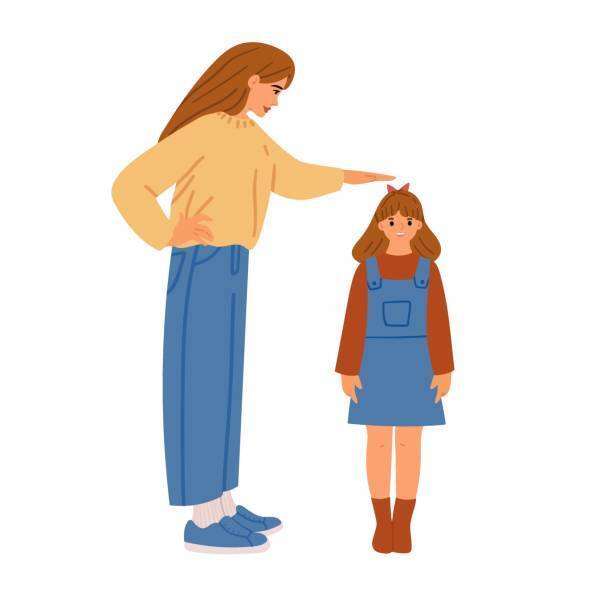
One of the first questions parents ask after beginning growth treatment is:
"When will we actually see a difference?"
Whether a child is receiving growth hormone therapy, being evaluated for growth hormone deficiency, or starting a growth-support program, families naturally want reassurance that progress is happening.
The good news is that treatment begins working long before visible height changes appear. The challenge is that growth occurs gradually. Unlike medications that improve symptoms within days, height growth is a slow biological process that unfolds over months and years.
Understanding how long before a child grows taller after starting treatment can help families set realistic expectations and avoid becoming discouraged during the early stages of care.
At HGH for Children, treatment progress is monitored through growth velocity, growth chart trends, bone age, and developmental milestones rather than focusing on week-to-week changes.
Why Growth Takes Time
Growth is one of the slowest processes in the human body.
Even when hormone signaling improves immediately, bones still require time to respond.
The growth process involves:
- Increased hormone signaling
- Increased IGF-1 production
- Activation of growth plates
- Bone remodeling and lengthening
- Measurable height increases
Because these changes occur gradually, height gains are rarely noticeable during the first few weeks.
Parents often begin treatment after completing a Pediatric Growth Evaluation Checklist and discovering concerns such as Poor Growth Velocity or Growth Hormone Deficiency.
What Happens During the First Month?
The first month is primarily a period of internal biological change.
Most children do not experience dramatic visible growth during this phase.
Instead, the body begins:
- Increasing growth-related signaling
- Producing additional IGF-1
- Improving hormone activity during sleep
- Preparing growth plates for future growth
Parents may notice:
- Better sleep quality
- Increased appetite
- Improved daytime energy
- Better overall well-being
Children using Sermorelin Therapy for Pediatric Growth Delay: A Parent's Guide often report similar early changes before measurable height gains occur.
Weeks 4–8: Early Biological Response
During the second month, hormone pathways continue adapting.
Although most children still do not appear dramatically taller, the biological foundation for future growth is being established.
This period is important because providers begin assessing:
- Treatment tolerance
- Consistency of therapy
- Early response markers
- Overall progress
Parents sometimes become concerned during this phase because visible height gains remain limited.
This is normal.
Months 3–6: Measurable Height Gains Begin
For many children, the first measurable signs of success occur between three and six months.
Families often start noticing:
- Pants becoming shorter
- Shirts fitting differently
- Height increases at follow-up visits
- Improved growth velocity
This is often the point where treatment begins feeling "real."
Parents frequently compare progress with:
- Sermorelin Height Increase Timeline: What Parents Can Expect
- Catch-Up Growth During the First Year of Treatment
- How to Measure Height Progress During Treatment
because growth is now becoming easier to document objectively.
Why Some Children Grow Faster Than Others
Every child responds differently.
Several factors influence how quickly measurable growth appears.
Underlying Diagnosis
Children with confirmed Growth Hormone Deficiency often experience significant improvements in growth velocity.
Families frequently review:
- Growth Hormone Deficiency Testing Protocol in Children
- Growth Hormone Deficiency Lab Values in Children
- Stimulation Test for Growth Hormone in a Child
to understand their child's diagnosis.
Age at Treatment Start
Younger children generally have:
- More open growth plates
- More growth years remaining
- Greater cumulative growth potential
Parents often explore:
- Peak Response Age for Growth Hormone Therapy
- Is Growth Hormone Effectiveness Age Dependent?
- Growth Hormone Therapy Before Bone Age 12
when evaluating treatment timing.
Bone Age
A delayed bone age often means additional growth opportunity remains.
Helpful resources include:
- Bone Age Test for Child Height: What It Shows and Why It Matters
- Bone Age Delayed What Treatment Is Needed
- Sermorelin Bone Age Delay Treatment: What It Means for Growth Potential
because skeletal maturity often predicts future growth better than chronological age.
The First Year: The Biggest Changes Usually Occur Here
For many children, the first year produces the most noticeable improvement.
This period often includes:
- Increased yearly growth rate
- Improved height percentile position
- Catch-up growth
- Greater confidence and self-esteem
Parents frequently notice that children begin narrowing the gap between themselves and classmates.
Many families compare outcomes with:
- Sermorelin Height Improvement Case Studies in Children
- Sermorelin for Children Height Growth: How It Works and When It's Used
- Who Qualifies for Growth Hormone Therapy in a Child?
to better understand what successful treatment may look like.
Why Growth Velocity Matters More Than Inches
One common mistake is focusing only on total inches gained.
Growth specialists focus primarily on growth velocity.
Growth velocity measures:
How many inches a child grows per year.
A child who previously grew:
- 1.5 inches annually
and now grows:
- 3–4 inches annually
may be demonstrating excellent treatment response.
This improvement often appears before dramatic height changes become obvious.
How Puberty Affects the Timeline
Puberty significantly influences growth patterns.
As puberty begins:
- Growth hormone production naturally rises
- Growth accelerates
- Bone age advances
Parents often review:
- Growth Hormone vs Puberty Growth Spurt
- Puberty Delayed Growth Hormone Treatment
- Therapy vs Puberty Timing Intervention
because puberty can either enhance or shorten the available growth window.
Why Consistency Matters
Children who follow treatment plans consistently generally achieve the best outcomes.
Important factors include:
- Taking medication as prescribed
- Regular follow-up visits
- Adequate sleep
- Good nutrition
- Ongoing monitoring
Families often use:
- Telemedicine Pediatric Growth Hormone Consult
- Telehealth Sermorelin Consultation for Children
to maintain regular oversight.
When Should Parents Be Concerned?
If progress appears slower than expected, providers may review:
- Treatment adherence
- Bone age progression
- Growth velocity calculations
- Hormone levels
- Diagnosis accuracy
Some families seek a Second Opinion Growth Hormone Therapy Kids consultation when they want additional insight into treatment progress.
Frequently Asked Questions
How soon can treatment start working?
Internal hormone changes often begin within weeks.
When do most children start growing taller?
Many children show measurable height gains between 3 and 6 months.
Is the first year the most important?
For many children, yes. The first year often produces the strongest improvement in growth velocity.
Why don't I see growth after one month?
Growth is gradual. Hormonal changes occur before visible height changes become apparent.
How is progress measured?
Providers primarily evaluate growth velocity, height percentiles, bone age, and overall growth trends.
The Bottom Line
So, how long before a child grows taller after starting treatment?
Most children begin experiencing internal biological changes within the first few weeks. Measurable height gains often become noticeable between three and six months, while the most significant improvements in growth velocity typically occur during the first year.
Growth is not immediate, but steady improvements over months and years can lead to meaningful long-term height gains. The key is focusing on growth trends rather than day-to-day changes and ensuring treatment is monitored carefully while growth plates remain open.
Medically Reviewed By
Dr. Devin Stone, ND
Dr. Devin Stone is a Doctor of Naturopathic Medicine and founder of HGHforChildren.com. His clinical focus includes pediatric growth optimization, growth hormone deficiency, delayed bone age assessment, constitutional growth delay, IGF-1 evaluation, and evidence-informed therapies designed to help children maximize healthy growth potential.
References
- Pediatric Endocrine Society
- Growth Hormone Research Society
- Endocrine Society
- NIH
- NIDDK
- Hormone Research in Paediatrics
- American Academy of Pediatrics
- Journal of Clinical Endocrinology & Metabolism
Devin Stone
Contact Me