Growth plates are key to bone growth in childhood and the teen years.
They are soft cartilage areas near the ends of long bones. If you want to know how to stop my growth plates from closing, the short answer is that you usually cannot. Closure is a normal part of puberty and bone growth.
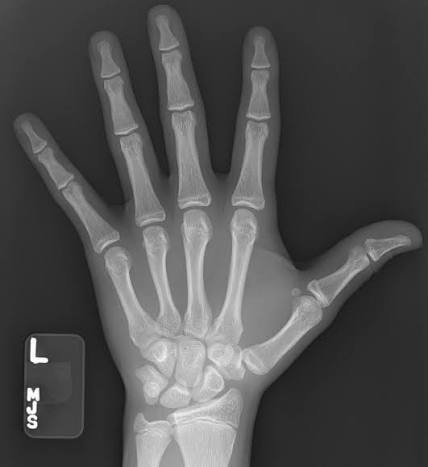
Growth plates usually close after puberty. Hormone changes, especially sex hormones, drive that process. People often search for 'how to know my growth plates are closed at home,' but there is no sure at-home test. A doctor can order an x ray of open growth plates to check their status.
What Are Growth Plates?
Growth plates, also called epiphyseal plates, are zones of cartilage near the ends of long bones. They help bones grow in length during childhood and the teen years. Without them, bones would not get longer.
These plates are most active in childhood, when growth can be fast. Over time, they harden into bone. That change marks the end of height gain.
Growth plates are found in bones such as the femur, tibia, and humerus. They matter most in long bones, which shape height and body size.
Growth plates are also easier to injure than mature bone. This risk can affect bone growth and development. Watching for injury is important.
How Growth Plates Work and Why They Close
Growth plates are places where new bone forms. They let bones extend and grow longer. As the plates mature, the cells harden and bone growth slows.
Puberty hormones drive much of this activity. Rising sex hormones play a major role. They slowly end growth plate activity.
When growth plates close, the body has reached full bone maturity. The change is gradual, but it cannot be avoided. It marks the end of height gain.
Several things can point to growth plate closure:
- Hormone changes during puberty
- Genetic traits
- Nutrition
It helps to know this so you can set realistic height expectations. While growth plates are open, they can still add height. After they close, only muscle and posture changes can make a small difference.
Factors That Influence Growth Plate Closure
Hormone changes are the main cause of growth plate closure. During puberty, higher levels of estrogen and testosterone help end growth plate activity.
Genes matter too. Each person has a different growth timeline, and family traits can shape when the plates close.
Lifestyle can also play a part. Poor food intake or not getting enough vitamins may slow healthy growth. Regular exercise supports bone health and may slightly affect timing.
Consider these factors:
- Hormone changes
- Genetic trait
- Nutrient intake
- Physical activity
These factors help explain growth and height. Even so, it is not possible to fully stop closure. The best goal is to support healthy growth.
Can You Stop Growth Plates from Closing?
Many people ask how to stop growth plates from closing. The truth is that you cannot fully stop the process. It is part of normal growth in the teen years.
The body's hormone balance controls this change. Once puberty starts, sex hormones help close the plates over time. Changing that cycle is not usually possible without medical care.
Some medical treatments can change the timeline. For certain growth disorders, doctors may use hormone therapy to delay closure. These treatments are not for normal growth and need careful medical review.
You cannot stop closure, but you can support growth with good habits:
- Balanced diet
- Regular exercise
- Enough sleep
These habits help a child reach their genetic height potential before the plates close. A healthcare professional can help with any growth concern.
How to Know If Your Growth Plates Are Still Open
It can be hard to tell if growth plates are still open. If you wonder how do you know if you stop growing, one clue is a clear slowdown in height gain. Still, that clue is not enough on its own.
Home checks often fail and can lead to myths. A doctor can use an x ray of open growth plates to see whether they are still open. That is the most reliable test.
If you are asking how to know my growth plates are closed at home, the honest answer is that there is no sure home method. A person may guess based on growth trends, but only medical imaging can confirm closure.
Ways to check growth plate status:
- See a doctor for an x ray
- Watch for slower height gain
If you are worried, talk with a healthcare provider. They can explain what is happening and give clear advice.
Growth Spurts for Boys: What to Expect
Boy growth spurts are a normal part of puberty. They often happen between ages 12 and 16, but the timing can differ. Some boys even have a growth spurt at 16.
During a growth spurt for boys, height and weight can rise fast. Some boys grow several inches in a short time. Others grow more slowly.
Growth spurts can also change muscle and fat shift. Mild aches or growing pains are common. It can feel a little strange, but it is normal.
Common signs of a growth spurt:
- Fast height gain
- Muscle and fat shift
- Mild aches or growing pains
Knowing what to expect can ease stress about body changes. Parents can help by talking openly about growth and health.
Average Height for a 16 Year Old Male
The average height for a 16 year old male is about 5 ft 7 in to 5 ft 9 in. Still, everyone grows at a different pace. Genes play a big role in final height.
Food and exercise also matter. Good nutrition and regular activity support strong bone growth. Calcium and vitamin D are especially helpful.
Understanding growth patterns means seeing differences in timing and growth rates. Some boys keep growing after age 16. Those differences are normal and can be reassuring.
Key growth factors include:
- Genes
- Food and diet
- Physical activity
Supporting Healthy Growth: Nutrition, Sleep, and Lifestyle
Good nutrition is key for healthy growth in children and teens. A balanced diet gives the body the nutrients it needs for bone development.
Calcium and vitamin D are vital for bone health. Dairy foods, leafy greens, and fortified cereals can help meet those needs.
Sleep is also important. During sleep, the body releases growth hormones that help with development. Enough rest supports growth potential.
Exercise matters too. Physical activity strengthens bones and muscles and supports overall health. Sports, cycling, and swimming are all good options.
To support growth, try to:
- Eat foods rich in calcium and vitamin D
- Keep a regular sleep schedule
- Stay active
Growth Plate Injuries and Their Impact
Growth plates are more fragile in childhood and adolescence. Injuries can disrupt bone growth and may lead to deformities.
Quick medical care is important. Untreated growth plate damage may cause growth problems later.
Common causes of growth plate injuries include:
- Falls or accidents
- Sports injuries
- Overuse from repeat activity
Proper care helps bones heal well. Knowing the risks can help prevent long-term issues.
When to See a Doctor About Growth and Development
Talk with a doctor if you have concerns about height or growth patterns. A healthcare professional can help you understand what is normal and what is not.
See a doctor if there is:
- Ongoing bone or joint pain
- Clear height gaps compared with peers
- Unusual tiredness or health changes
Early care can find growth-related issues sooner. It can also bring peace of mind.
Key Takeaways on Growth Plates and Height
Growth plates play a major role in final height. Knowing how they work can ease worry and set realistic goals.
Key points to remember:
- Growth plate closure marks the end of height gain
- Genes, health, and nutrition all matter
- Watching growth patterns can help spot issues early
A balanced lifestyle supports healthy development. Height is only one part of overall health.
Q&A
Question: Can lifestyle changes keep growth plates open longer?
Short answer: Good food, regular exercise, and enough sleep can support healthy bone growth, but they cannot stop growth plates from closing. Puberty hormones and genes are the main drivers.
Question: What is the most reliable way to know if growth plates are still open?
Short answer: A medical x ray is the best way to check growth plate status. Home clues, such as a slower rise in height, are not conclusive.
Question: Is it normal for a 16 year old boy to keep growing?
Short answer: Yes. Some boys have a growth spurt at 16, and some keep growing after that. Growth timing varies with genes, food, activity, and general health.
Question: When should growth concerns be discussed with a doctor?
Short answer: See a doctor if there is ongoing bone or joint pain, clear height differences, unusual tiredness, health changes, or worry about delayed growth. Medical guidance can help early.
Devin Stone
Contact Me