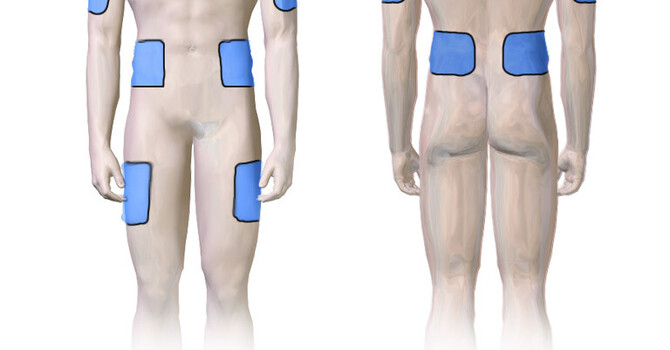
When a child is shorter than expected, parents often wonder whether lifestyle changes are enough or if medical treatment is necessary. Understanding natural vs medical height growth in children helps families make informed, safe decisions based on accurate diagnosis.
Both natural and medical approaches have a role — but knowing when each is appropriate is key.
What Is Natural Height Growth?
Natural height growth refers to optimizing the body’s normal developmental processes without prescription hormone therapy.
Natural growth depends on:
-
Genetics
-
Adequate nutrition
-
Deep, consistent sleep
-
Regular physical activity
-
Healthy hormone balance
For most children, these foundations are enough to support normal growth patterns.
Natural Ways to Support Height Growth
1. Prioritize Sleep
Growth hormone is primarily released during deep sleep. Children need:
-
9–12 hours (school age)
-
8–10 hours (teens)
2. Optimize Nutrition
Adequate protein, healthy fats, and micronutrients such as vitamin D, zinc, and iron are essential for growth plate development.
3. Encourage Physical Activity
Daily movement supports bone strength and stimulates natural growth hormone release.
4. Maintain Healthy Body Weight
Both undernutrition and obesity can affect hormone signaling.
These strategies help children reach their genetic potential but cannot override inherited height patterns.
What Is Medical Height Growth Treatment?
Medical treatment is considered when there is an underlying condition impairing growth. This typically involves evaluation by a pediatric endocrinologist.
In the United States, recombinant growth hormone therapy is regulated by the U.S. Food and Drug Administration and approved for specific pediatric diagnoses, including:
-
Growth Hormone Deficiency (GHD)
-
Turner Syndrome
-
Prader-Willi Syndrome
-
Chronic Kidney Disease
-
Small for Gestational Age (without catch-up growth)
-
Idiopathic Short Stature (under defined criteria)
Medical treatment directly addresses hormonal deficiencies or specific growth disorders.
Natural vs Medical Height Growth: Key Differences
1. Purpose
-
Natural: Optimize healthy development.
-
Medical: Correct diagnosed pathology.
2. Impact on Final Height
-
Natural: Helps reach genetic potential.
-
Medical: May improve final height when deficiency exists.
3. When It’s Appropriate
-
Natural: For children growing steadily within normal patterns.
-
Medical: For children with slowed growth velocity or confirmed hormone deficiency.
When Is Natural Optimization Enough?
Natural strategies may be sufficient if a child:
-
Follows a steady growth curve
-
Has normal growth velocity
-
Has delayed but consistent bone age
-
Has a family history of short stature
In these cases, watchful monitoring may be the safest path.
When Is Medical Evaluation Necessary?
Parents should seek evaluation if their child:
-
Falls below the 3rd percentile
-
Drops percentiles over time
-
Has delayed or early puberty
-
Has predicted adult height well below genetic expectations
Early assessment preserves more treatment options before growth plates close.
The Importance of Accurate Diagnosis
The conversation about natural vs medical height growth in children is not about choosing one over the other blindly. It’s about identifying the root cause of short stature and responding appropriately.
Many children simply need time and supportive lifestyle measures. Others may benefit from medically supervised therapy.
Supporting Your Child’s Growth Safely
At HGH for Children, we provide comprehensive growth evaluations to determine whether natural optimization is sufficient or whether medical treatment may be indicated. Our goal is to help children safely reach their full genetic height potential.
To learn more or schedule a consultation, visit:
https://www.HGHforChildren.com
Medically Reviewed By
Dr. Devin Stone, ND
Dr. Devin Stone, ND is a licensed naturopathic doctor and founder of HGHforChildren.com. He specializes in pediatric growth evaluation, short stature assessment, delayed puberty, bone age analysis, growth hormone deficiency screening, and growth optimization programs for children and adolescents.
Dr. Stone earned his degree from Bastyr University and has helped families nationwide better understand growth concerns through evidence-based evaluation and personalized treatment planning. His clinical focus includes growth hormone testing, IGF-1 interpretation, bone age assessment, pediatric endocrinology support, and growth-promoting interventions when medically appropriate.
Through HGHforChildren.com, Dr. Stone educates parents on childhood growth disorders, height prediction, growth velocity monitoring, and treatment options for children who may not be reaching their growth potential.
Learn more about Dr. Stone and schedule a consultation with our pediatric growth team.
Devin Stone
Contact Me