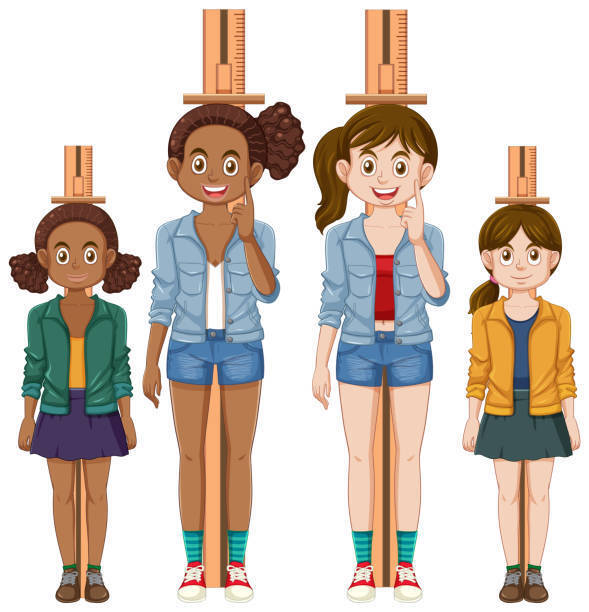
Many parents begin searching for a pediatric growth assessment clinic after noticing that their child seems smaller than classmates, is growing more slowly than expected, or has fallen on the growth chart over time.
These concerns can be stressful because growth is one of the most visible signs of a child's overall development. When growth does not appear to follow expected patterns, families naturally wonder whether there is an underlying issue and whether anything should be done.
The good news is that a growth assessment is designed to provide answers. A proper pediatric growth evaluation goes far beyond measuring height. It is a structured process that helps identify growth patterns, evaluate potential causes of slow growth, and determine whether monitoring, additional testing, or treatment may be appropriate.
At HGH for Children, growth assessments focus on understanding why a child is growing the way they are before discussing any treatment options. Many children simply need reassurance and follow-up, while others may benefit from further evaluation.
The goal is always the same: helping families understand their child's growth potential and make informed decisions while valuable growth time remains.
What Is a Pediatric Growth Assessment?
A pediatric growth assessment is a comprehensive evaluation designed to determine whether a child's growth pattern is normal or whether further investigation is warranted.
Growth specialists evaluate multiple factors that influence height and development, including:
- Growth velocity
- Growth chart patterns
- Family height history
- Puberty timing
- Bone maturation
- Hormonal function
- Overall health
Rather than focusing on a single height measurement, the assessment looks at how growth has changed over time.
Parents often begin seeking evaluation after concerns discussed in children growth optimization clinic or height growth treatment programs for children become increasingly relevant.
The assessment provides the foundation for all future growth-related decisions.
Why Height Alone Doesn't Determine Whether There Is a Problem
Many parents focus on their child's current height.
However, pediatric growth specialists often focus more heavily on growth trends.
For example:
- A child at the 3rd percentile who has always followed that pattern may be completely healthy.
- A child at the 40th percentile whose growth is slowing may warrant further evaluation.
This is why growth assessments look beyond a single number.
Families frequently become concerned after reading about child height below 5th percentile what it means for parents, but percentile alone rarely tells the full story.
The pattern of growth over time is often far more important.
What Does a Growth Assessment Look For?
The primary purpose of the evaluation is determining whether growth is following an expected pattern.
Several key areas are reviewed.
Growth Chart Patterns
Growth charts provide a visual representation of how height changes over time.
Doctors evaluate:
- Long-term growth trends
- Percentile stability
- Growth acceleration
- Growth deceleration
A common reason families seek evaluation is growth chart percentile dropping in a child, which may indicate that growth is slowing relative to peers.
Growth Velocity
One of the most important measurements in pediatric endocrinology is growth velocity.
Growth velocity refers to how much height a child gains each year.
Children with poor growth velocity may require additional evaluation because slowed annual growth can sometimes signal an underlying growth-related condition.
Many specialists use principles discussed in growth hormone height velocity chart during treatment when evaluating growth rates.
Family Height Expectations
Genetics play a major role in determining adult height.
A child's projected height is often compared with parental heights to assess whether growth appears consistent with family patterns.
Puberty and Development Timing
Puberty significantly influences growth.
Children with Delayed Puberty may appear short simply because they have not yet entered their major growth spurt.
Understanding developmental timing helps distinguish delayed maturation from other causes of slow growth.
Common Reasons Children Are Referred for Growth Assessment
Families commonly seek evaluation when they notice:
- Height below expected range
- Slowed yearly growth
- Falling percentiles
- Delayed puberty
- Significant height differences compared to peers
- Concerns about future adult height
Many parents first begin researching after asking why is my child shorter than classmates or reading short stature child when to worry about your childs height.
While these concerns do not automatically indicate a medical problem, they often justify a closer look.
Conditions Commonly Evaluated During Growth Assessments
Several growth-related conditions may be considered during the evaluation process.
Growth Hormone Deficiency
Children with Growth Hormone Deficiency may have reduced growth hormone production, leading to slowed growth and delayed development.
Idiopathic Short Stature
Children with Idiopathic Short Stature are significantly shorter than expected without a clearly identifiable medical explanation.
Constitutional Growth Delay
Children with Constitutional Growth Delay are often late bloomers who grow and mature later than their peers.
Low IGF-1
Children with Low IGF-1 may experience reduced growth signaling that affects height progression.
Pituitary Disorders
Certain Pituitary Disorders can affect growth hormone production and other hormones involved in development.
Delayed Bone Age
Children with Delayed Bone Age often have more growth potential remaining because their skeletal development is younger than expected.
Identifying the correct diagnosis is one of the most important goals of the assessment.
Additional Testing That May Be Recommended
Not every child requires additional testing.
However, certain findings may lead to further evaluation.
Bone Age Assessment
A bone age test for child height helps estimate skeletal maturity and remaining growth potential.
This is one of the most valuable tools available for growth prediction.
Laboratory Evaluation
Children may undergo pediatric endocrine labs for height evaluation to assess:
- Growth-related hormones
- IGF-1 levels
- Thyroid function
- Endocrine health
Testing recommendations depend entirely on the child's growth pattern and clinical findings.
Why Early Assessment Matters
One of the most important reasons to evaluate growth concerns early is preserving growth opportunity.
Children only grow while growth plates remain open.
As puberty progresses:
- Growth plates mature
- Remaining growth potential decreases
- Future height becomes less modifiable
Families often gain a better understanding of timing through growth hormone therapy before growth plates close and growth hormone therapy before puberty effectiveness.
Even when treatment is not needed, understanding growth potential early provides valuable information.
What Happens After the Assessment?
The next step depends on the findings.
Many children only require:
- Monitoring
- Repeat measurements
- Follow-up visits
- Reassurance
Others may benefit from:
- Additional testing
- Hormone evaluation
- Growth-focused treatment discussions
For appropriate candidates, therapies such as Sermorelin for Children or HGH for Children to Grow Taller may be considered.
Every recommendation is individualized based on the child's specific diagnosis and growth potential.
Why Specialized Pediatric Growth Clinics Matter
Children with similar heights may have completely different reasons for slow growth.
A specialized clinic provides:
- Accurate growth measurements
- Structured evaluations
- Pediatric endocrine expertise
- Long-term monitoring
- Individualized recommendations
Families often feel more confident after receiving clear explanations and objective data regarding their child's development.
Frequently Asked Questions
What is the most important part of a growth assessment?
Growth velocity is often one of the most valuable measurements because it shows how quickly a child is growing over time.
Does every child need testing?
No. Many children only require monitoring and periodic follow-up.
Why is bone age important?
Bone age helps estimate remaining growth potential and future height opportunities.
When should parents schedule a growth assessment?
Evaluation may be appropriate if growth slows, percentiles decline, puberty is delayed, or height appears significantly below expectations.
Does a growth assessment automatically mean treatment will be recommended?
No. Many children evaluated at growth clinics ultimately require only observation and reassurance.
The Bottom Line
A pediatric growth assessment clinic visit is designed to understand why a child is growing the way they are and determine whether additional evaluation, monitoring, or treatment is appropriate. Through careful review of growth charts, growth velocity, puberty timing, family history, bone age, and hormone-related factors, specialists can provide families with clear answers and a personalized plan.
Early assessment helps preserve growth opportunities and gives parents confidence that their child is receiving the right care at the right time.
Medically Reviewed By
Dr. Devin Stone, ND
Dr. Devin Stone is a Doctor of Naturopathic Medicine and founder of HGHforChildren.com. His clinical focus includes pediatric growth optimization, growth hormone deficiency, delayed bone age assessment, constitutional growth delay, IGF-1 evaluation, and evidence-informed therapies designed to help children maximize healthy growth potential.
References
- Pediatric Endocrine Society
- Growth Hormone Research Society
- Endocrine Society
- Hormone Research in Paediatrics
- National Institutes of Health (NIH)
- National Institute of Diabetes and Digestive and Kidney Diseases (NIDDK)
- American Academy of Pediatrics
Devin Stone
Contact Me