Parents often begin researching HGH injections for kids height increase after noticing that their child is much shorter than classmates, falling behind on growth charts, or growing significantly slower than expected.
It's natural to wonder whether growth hormone therapy can help.
The answer is sometimes yes—but only when a child has an underlying growth disorder that is limiting normal growth.
Human growth hormone (HGH) is one of the most important hormones involved in childhood development. When a child's body does not produce enough growth hormone—or cannot use growth signals effectively—growth may slow dramatically.
In these situations, HGH injections can help restore normal growth signaling and improve height outcomes.
However, growth hormone therapy is not designed to make children unusually tall or override genetics. The goal is helping children reach the height their bodies were naturally programmed to achieve.
This guide explains how HGH injections work, who may qualify, expected results, safety considerations, and why timing plays such an important role in treatment success.
What Are HGH Injections?
HGH injections contain a synthetic version of human growth hormone that is biologically identical to the hormone naturally produced by the pituitary gland.
The pituitary gland is a small structure located at the base of the brain that regulates many aspects of growth and development.
One of its primary functions is releasing growth hormone.
Once released into the bloodstream, growth hormone stimulates the liver to produce IGF-1 (Insulin-Like Growth Factor-1).
IGF-1 then acts on growth plates throughout the body.
These growth plates are responsible for increasing bone length and ultimately determining height.
Without adequate growth hormone signaling:
- Growth slows
- Height gain becomes limited
- Growth spurts may not occur normally
- Adult height potential may decrease
This is why children with growth hormone deficiency often experience significantly slower growth than their peers.
How HGH Injections Increase Height
Growth hormone itself does not directly lengthen bones.
Instead, it stimulates a chain of biological events that promote growth.
The process works like this:
- HGH is administered through injection.
- The liver produces IGF-1.
- IGF-1 stimulates growth plates.
- Bones lengthen gradually over time.
- Height increases as growth continues.
This process occurs slowly and naturally.
Parents expecting instant results are often surprised to learn that growth hormone therapy works over months and years rather than weeks.
Who Qualifies for HGH Injections?
One of the most important things parents should understand is that HGH is not prescribed simply because a child is short.
A comprehensive evaluation is required before treatment is considered.
Common qualifying conditions include:
Growth Hormone Deficiency
The most common and straightforward reason for treatment is growth hormone deficiency.
Children with this condition do not produce enough growth hormone to support normal development.
They often demonstrate:
- Slow growth velocity
- Falling height percentiles
- Delayed growth spurts
- Reduced predicted adult height
Families often begin researching after reading Growth Hormone Deficiency Treatment in Kids: A Complete Parent Guide and realizing many of the symptoms sound familiar.
Idiopathic Short Stature
Some children are significantly shorter than expected despite otherwise normal testing.
This diagnosis is called idiopathic short stature.
Although hormone production may technically be normal, treatment may still be considered in selected cases.
Parents frequently review HGH Treatment for Idiopathic Short Stature: A Guide for Parents to better understand how treatment differs from classic hormone deficiency.
Certain Genetic Conditions
Several genetic disorders affect growth and may qualify for HGH therapy.
Children Born Small for Gestational Age
Some children fail to achieve expected catch-up growth and may benefit from treatment.
Chronic Medical Conditions
Certain long-term illnesses can interfere with normal growth signaling.
Why Short Height Alone Is Not Enough
One of the biggest misconceptions about HGH therapy is that any short child should receive treatment.
In reality, many short children are completely healthy.
Some are simply following family genetics.
Others have constitutional growth delay, often called being a late bloomer.
These children frequently:
- Grow more slowly early in life
- Have delayed bone age
- Enter puberty later
- Eventually catch up naturally
Parents often ask Why Is My Child the Shortest in Class? when this pattern occurs.
The key is determining whether a true growth disorder exists.
How Doctors Determine Whether HGH Is Appropriate
Growth hormone therapy is prescribed based on medical evidence—not height alone.
A complete growth evaluation often includes:
Growth Chart Analysis
Reviewing growth trends over time provides critical information.
Parents frequently become concerned after reading Growth Chart Percentile Dropping in a Child: What It Means and When to Act because declining percentiles can indicate an underlying growth problem.
Growth Velocity Assessment
Growth velocity refers to how many inches a child grows per year.
Children with poor growth velocity often require additional evaluation.
Families researching Child Growing Less Than 2 Inches Per Year: What It Means are often learning about one of the most important warning signs of a growth disorder.
Blood Testing
Laboratory evaluation may include:
- Thyroid function
- Nutritional markers
- Growth factors
- Hormone testing
Children with low IGF-1 levels frequently undergo additional endocrine testing.
Bone Age Imaging
A bone age X-ray measures skeletal maturity.
Children with a delayed bone age often have more remaining growth potential than their chronological age suggests.
Bone age helps estimate:
- Remaining growth time
- Predicted adult height
- Potential treatment benefit
Puberty Assessment
Puberty timing plays a major role in determining growth potential.
Children with delayed puberty may have a longer window available for growth.
How HGH Injections Are Given
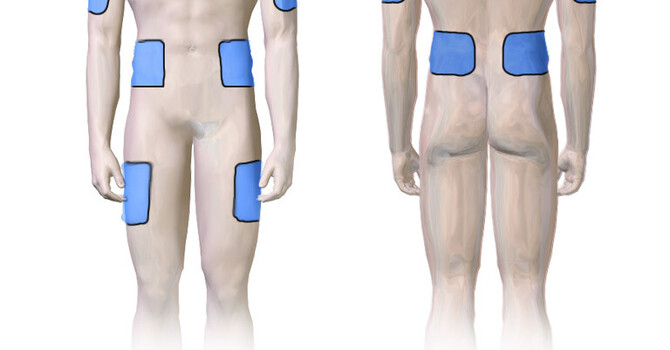
Modern HGH therapy is designed for home use.
Treatment typically involves:
- A small injection under the skin
- Once-daily administration
- Evening dosing
- Easy-to-use injection devices
Parents receive training on proper administration techniques.
Many older children eventually learn to self-administer treatment.
The timing mimics the body's natural nighttime release of growth hormone.
What Happens After Treatment Begins?
Growth hormone therapy works gradually.
The first change parents usually notice is increased growth velocity.
Children often begin growing faster within several months.
Families interested in realistic expectations often read Pediatric Growth Hormone Treatment Results: What Parents Can Expect to understand what typical progress looks like.
First 6–12 Months
The first year often produces the most dramatic response.
Common observations include:
- Faster height gains
- Increased appetite
- More frequent clothing changes
- Improved energy
- Better growth chart progression
Years Two and Beyond
After the initial acceleration, growth generally continues at a steadier pace.
Many children continue growing above their pre-treatment rate for several years.
How Much Height Can HGH Add?
This is usually the first question parents ask.
Unfortunately, there is no universal answer.
Parents frequently review How Much Height Can HGH Add to a Child? when trying to estimate potential outcomes.
Height gains depend on:
- Age at treatment initiation
- Diagnosis
- Bone age
- Puberty timing
- Treatment consistency
- Individual responsiveness
Children who begin treatment earlier generally experience greater total height gains because more growth time remains.
Why Timing Matters So Much
Growth hormone only works while growth plates remain open.
As puberty progresses:
- Growth plates mature
- Growth potential declines
- Treatment opportunities narrow
Eventually, growth plates close permanently.
Once this occurs:
- Height gain stops
- HGH can no longer increase stature
- Adult height becomes fixed
This is why families often begin investigating Signs Your Child May Need Growth Hormone Testing before puberty is advanced.
Earlier evaluation often produces better outcomes.
Additional Benefits Beyond Height
While height improvement is usually the primary goal, many families notice other positive changes.
These may include:
Improved Body Composition
Growth hormone helps regulate muscle and fat development.
Increased Muscle Tone
Children often develop more age-appropriate muscle mass.
Better Endurance
Some families report improved physical performance.
Improved Confidence
Growing closer to peers often improves self-esteem.
More Age-Appropriate Appearance
Children may begin looking more physically aligned with classmates.
Parents wondering Does Growth Hormone Make Kids Taller? are often surprised to learn these additional benefits can occur as well.
Growth Hormone Versus Sermorelin
Some parents researching growth treatments encounter Sermorelin for Children.
Although both therapies involve growth pathways, they work differently.
Growth hormone therapy provides HGH directly.
Sermorelin stimulates the pituitary gland to increase natural hormone production.
The best treatment depends on:
- Diagnosis
- Growth potential
- Hormone testing
- Physician recommendations
Related Growth Resources for Parents
Many families find these resources helpful:
- Signs Your Child May Need Growth Hormone Testing
- Child Growing Less Than 2 Inches Per Year: What It Means
- Growth Chart Percentile Dropping in a Child: What It Means and When to Act
- How Much Height Can HGH Add to a Child?
- Does Growth Hormone Make Kids Taller?
- Pediatric Growth Hormone Treatment Results: What Parents Can Expect
- Growth Hormone Deficiency Treatment in Kids: A Complete Parent Guide
- HGH Treatment for Idiopathic Short Stature: A Guide for Parents
- Why Is My Child the Shortest in Class?
- Is My Child Too Short for Their Age? (Complete Parent Guide)
Frequently Asked Questions
Are HGH injections safe for children?
When prescribed appropriately and monitored by experienced providers, HGH therapy has an excellent safety record.
Do HGH injections hurt?
Most children tolerate injections well. Modern injection devices use very small needles.
Can HGH make a child taller than genetics allow?
No. Treatment helps children approach their natural genetic potential.
What age is best for treatment?
Earlier treatment generally produces better outcomes because more growth time remains.
How long does therapy continue?
Treatment often continues until growth plates close or growth slows significantly.
The Bottom Line
HGH injections for kids height increase can be highly effective for children with documented growth disorders such as growth hormone deficiency, idiopathic short stature, and certain medical conditions affecting growth.
The therapy works by restoring normal growth signaling—not by changing genetics.
When treatment is started early and growth plates remain open, many children experience significant improvements in growth velocity, height percentile, and adult height potential.
For families concerned about slow growth, falling percentiles, or delayed development, a comprehensive pediatric growth evaluation can help determine whether HGH therapy may be appropriate.
Medically Reviewed By
Dr. Devin Stone, ND
Dr. Devin Stone is a Doctor of Naturopathic Medicine and founder of HGHforChildren.com. His clinical focus includes pediatric growth optimization, growth hormone deficiency, delayed bone age assessment, constitutional growth delay, IGF-1 evaluation, and evidence-informed therapies designed to help children maximize healthy growth potential.
References
- Pediatric Endocrine Society. Growth Hormone Deficiency Resources.
- Growth Hormone Research Society Consensus Guidelines.
- Endocrine Society Clinical Practice Guidelines.
- National Institutes of Health (NIH).
- American Academy of Pediatrics.
- Hormone Research in Paediatrics.
- National Institute of Diabetes and Digestive and Kidney Diseases (NIDDK).
Parents often begin researching HGH injections for kids height increase after noticing that their child is much shorter than classmates, falling behind on growth charts, or growing significantly slower than expected.
It's natural to wonder whether growth hormone therapy can help.
The answer is sometimes yes—but only when a child has an underlying growth disorder that is limiting normal growth.
Human growth hormone (HGH) is one of the most important hormones involved in childhood development. When a child's body does not produce enough growth hormone—or cannot use growth signals effectively—growth may slow dramatically.
In these situations, HGH injections can help restore normal growth signaling and improve height outcomes.
However, growth hormone therapy is not designed to make children unusually tall or override genetics. The goal is helping children reach the height their bodies were naturally programmed to achieve.
This guide explains how HGH injections work, who may qualify, expected results, safety considerations, and why timing plays such an important role in treatment success.
What Are HGH Injections?
HGH injections contain a synthetic version of human growth hormone that is biologically identical to the hormone naturally produced by the pituitary gland.
The pituitary gland is a small structure located at the base of the brain that regulates many aspects of growth and development.
One of its primary functions is releasing growth hormone.
Once released into the bloodstream, growth hormone stimulates the liver to produce IGF-1 (Insulin-Like Growth Factor-1).
IGF-1 then acts on growth plates throughout the body.
These growth plates are responsible for increasing bone length and ultimately determining height.
Without adequate growth hormone signaling:
- Growth slows
- Height gain becomes limited
- Growth spurts may not occur normally
- Adult height potential may decrease
This is why children with growth hormone deficiency often experience significantly slower growth than their peers.
How HGH Injections Increase Height
Growth hormone itself does not directly lengthen bones.
Instead, it stimulates a chain of biological events that promote growth.
The process works like this:
- HGH is administered through injection.
- The liver produces IGF-1.
- IGF-1 stimulates growth plates.
- Bones lengthen gradually over time.
- Height increases as growth continues.
This process occurs slowly and naturally.
Parents expecting instant results are often surprised to learn that growth hormone therapy works over months and years rather than weeks.
Who Qualifies for HGH Injections?
One of the most important things parents should understand is that HGH is not prescribed simply because a child is short.
A comprehensive evaluation is required before treatment is considered.
Common qualifying conditions include:
Growth Hormone Deficiency
The most common and straightforward reason for treatment is growth hormone deficiency.
Children with this condition do not produce enough growth hormone to support normal development.
They often demonstrate:
- Slow growth velocity
- Falling height percentiles
- Delayed growth spurts
- Reduced predicted adult height
Families often begin researching after reading Growth Hormone Deficiency Treatment in Kids: A Complete Parent Guide and realizing many of the symptoms sound familiar.
Idiopathic Short Stature
Some children are significantly shorter than expected despite otherwise normal testing.
This diagnosis is called idiopathic short stature.
Although hormone production may technically be normal, treatment may still be considered in selected cases.
Parents frequently review HGH Treatment for Idiopathic Short Stature: A Guide for Parents to better understand how treatment differs from classic hormone deficiency.
Certain Genetic Conditions
Several genetic disorders affect growth and may qualify for HGH therapy.
Children Born Small for Gestational Age
Some children fail to achieve expected catch-up growth and may benefit from treatment.
Chronic Medical Conditions
Certain long-term illnesses can interfere with normal growth signaling.
Why Short Height Alone Is Not Enough
One of the biggest misconceptions about HGH therapy is that any short child should receive treatment.
In reality, many short children are completely healthy.
Some are simply following family genetics.
Others have constitutional growth delay, often called being a late bloomer.
These children frequently:
- Grow more slowly early in life
- Have delayed bone age
- Enter puberty later
- Eventually catch up naturally
Parents often ask Why Is My Child the Shortest in Class? when this pattern occurs.
The key is determining whether a true growth disorder exists.
How Doctors Determine Whether HGH Is Appropriate
Growth hormone therapy is prescribed based on medical evidence—not height alone.
A complete growth evaluation often includes:
Growth Chart Analysis
Reviewing growth trends over time provides critical information.
Parents frequently become concerned after reading Growth Chart Percentile Dropping in a Child: What It Means and When to Act because declining percentiles can indicate an underlying growth problem.
Growth Velocity Assessment
Growth velocity refers to how many inches a child grows per year.
Children with poor growth velocity often require additional evaluation.
Families researching Child Growing Less Than 2 Inches Per Year: What It Means are often learning about one of the most important warning signs of a growth disorder.
Blood Testing
Laboratory evaluation may include:
- Thyroid function
- Nutritional markers
- Growth factors
- Hormone testing
Children with low IGF-1 levels frequently undergo additional endocrine testing.
Bone Age Imaging
A bone age X-ray measures skeletal maturity.
Children with a delayed bone age often have more remaining growth potential than their chronological age suggests.
Bone age helps estimate:
- Remaining growth time
- Predicted adult height
- Potential treatment benefit
Puberty Assessment
Puberty timing plays a major role in determining growth potential.
Children with delayed puberty may have a longer window available for growth.
How HGH Injections Are Given
Modern HGH therapy is designed for home use.
Treatment typically involves:
- A small injection under the skin
- Once-daily administration
- Evening dosing
- Easy-to-use injection devices
Parents receive training on proper administration techniques.
Many older children eventually learn to self-administer treatment.
The timing mimics the body's natural nighttime release of growth hormone.
What Happens After Treatment Begins?
Growth hormone therapy works gradually.
The first change parents usually notice is increased growth velocity.
Children often begin growing faster within several months.
Families interested in realistic expectations often read Pediatric Growth Hormone Treatment Results: What Parents Can Expect to understand what typical progress looks like.
First 6–12 Months
The first year often produces the most dramatic response.
Common observations include:
- Faster height gains
- Increased appetite
- More frequent clothing changes
- Improved energy
- Better growth chart progression
Years Two and Beyond
After the initial acceleration, growth generally continues at a steadier pace.
Many children continue growing above their pre-treatment rate for several years.
How Much Height Can HGH Add?
This is usually the first question parents ask.
Unfortunately, there is no universal answer.
Parents frequently review How Much Height Can HGH Add to a Child? when trying to estimate potential outcomes.
Height gains depend on:
- Age at treatment initiation
- Diagnosis
- Bone age
- Puberty timing
- Treatment consistency
- Individual responsiveness
Children who begin treatment earlier generally experience greater total height gains because more growth time remains.
Why Timing Matters So Much
Growth hormone only works while growth plates remain open.
As puberty progresses:
- Growth plates mature
- Growth potential declines
- Treatment opportunities narrow
Eventually, growth plates close permanently.
Once this occurs:
- Height gain stops
- HGH can no longer increase stature
- Adult height becomes fixed
This is why families often begin investigating Signs Your Child May Need Growth Hormone Testing before puberty is advanced.
Earlier evaluation often produces better outcomes.
Additional Benefits Beyond Height
While height improvement is usually the primary goal, many families notice other positive changes.
These may include:
Improved Body Composition
Growth hormone helps regulate muscle and fat development.
Increased Muscle Tone
Children often develop more age-appropriate muscle mass.
Better Endurance
Some families report improved physical performance.
Improved Confidence
Growing closer to peers often improves self-esteem.
More Age-Appropriate Appearance
Children may begin looking more physically aligned with classmates.
Parents wondering Does Growth Hormone Make Kids Taller? are often surprised to learn these additional benefits can occur as well.
Growth Hormone Versus Sermorelin
Some parents researching growth treatments encounter Sermorelin for Children.
Although both therapies involve growth pathways, they work differently.
Growth hormone therapy provides HGH directly.
Sermorelin stimulates the pituitary gland to increase natural hormone production.
The best treatment depends on:
- Diagnosis
- Growth potential
- Hormone testing
- Physician recommendations
Related Growth Resources for Parents
Many families find these resources helpful:
- Signs Your Child May Need Growth Hormone Testing
- Child Growing Less Than 2 Inches Per Year: What It Means
- Growth Chart Percentile Dropping in a Child: What It Means and When to Act
- How Much Height Can HGH Add to a Child?
- Does Growth Hormone Make Kids Taller?
- Pediatric Growth Hormone Treatment Results: What Parents Can Expect
- Growth Hormone Deficiency Treatment in Kids: A Complete Parent Guide
- HGH Treatment for Idiopathic Short Stature: A Guide for Parents
- Why Is My Child the Shortest in Class?
- Is My Child Too Short for Their Age? (Complete Parent Guide)
Frequently Asked Questions
Are HGH injections safe for children?
When prescribed appropriately and monitored by experienced providers, HGH therapy has an excellent safety record.
Do HGH injections hurt?
Most children tolerate injections well. Modern injection devices use very small needles.
Can HGH make a child taller than genetics allow?
No. Treatment helps children approach their natural genetic potential.
What age is best for treatment?
Earlier treatment generally produces better outcomes because more growth time remains.
How long does therapy continue?
Treatment often continues until growth plates close or growth slows significantly.
The Bottom Line
HGH injections for kids height increase can be highly effective for children with documented growth disorders such as growth hormone deficiency, idiopathic short stature, and certain medical conditions affecting growth.
The therapy works by restoring normal growth signaling—not by changing genetics.
When treatment is started early and growth plates remain open, many children experience significant improvements in growth velocity, height percentile, and adult height potential.
For families concerned about slow growth, falling percentiles, or delayed development, a comprehensive pediatric growth evaluation can help determine whether HGH therapy may be appropriate.
Medically Reviewed By
Dr. Devin Stone, ND
Dr. Devin Stone is a Doctor of Naturopathic Medicine and founder of HGHforChildren.com. His clinical focus includes pediatric growth optimization, growth hormone deficiency, delayed bone age assessment, constitutional growth delay, IGF-1 evaluation, and evidence-informed therapies designed to help children maximize healthy growth potential.
References
- Pediatric Endocrine Society. Growth Hormone Deficiency Resources.
- Growth Hormone Research Society Consensus Guidelines.
- Endocrine Society Clinical Practice Guidelines.
- National Institutes of Health (NIH).
- American Academy of Pediatrics.
- Hormone Research in Paediatrics.
- National Institute of Diabetes and Digestive and Kidney Diseases (NIDDK).
Devin Stone
Contact Me