Parents researching natural GH stimulation vs injections for children are often trying to answer an important question:
"Can we help our child grow naturally, or is medical treatment necessary?"
For many families, growth concerns begin when a child appears noticeably shorter than classmates, falls behind siblings in height, or begins dropping on growth charts. Naturally, most parents prefer to start with the least invasive approach possible. Improving sleep, nutrition, exercise habits, and overall health are often the first strategies families explore.
While these lifestyle factors play an important role in supporting growth hormone production, it is equally important to understand their limitations. Natural methods can optimize the body's existing growth hormone production, but they cannot replace growth hormone when a true medical deficiency exists.
Understanding the differences between natural growth hormone stimulation and growth hormone injections can help parents make informed decisions about their child's growth and future height potential.
Understanding Growth Hormone in Childhood
Growth hormone (GH) is one of the most important hormones involved in childhood growth and development.
Produced by the pituitary gland at the base of the brain, growth hormone helps regulate:
- Bone growth
- Height gain
- Muscle development
- Body composition
- Metabolism
- Tissue repair
Growth hormone does not work continuously throughout the day. Instead, it is released in pulses, with the largest bursts occurring during deep sleep.
After release, growth hormone stimulates the liver and other tissues to produce IGF-1, a growth-signaling molecule responsible for much of the actual growth occurring at the growth plates.
Children with healthy hormone production typically maintain normal growth patterns and continue following their expected percentile curves.
However, when growth hormone production becomes inadequate, children may develop growth hormone deficiency, resulting in slower growth and reduced height velocity.
How Children Naturally Stimulate Growth Hormone
The body has several built-in mechanisms that help support natural growth hormone release.
For healthy children, optimizing these factors can support growth and overall development.
Quality Sleep
Sleep is one of the most powerful stimulators of natural growth hormone production.
Most growth hormone secretion occurs during deep slow-wave sleep.
Children who consistently receive adequate sleep often support healthier hormone production compared with children who experience chronic sleep deprivation.
Parents concerned about growth often benefit from understanding sleep and growth hormone in children and how sleep quality influences growth.
Proper Nutrition
Growth requires more than hormones alone.
Children need adequate:
- Protein
- Calories
- Zinc
- Vitamin D
- Iron
- Essential fatty acids
Without proper nutrition, growth may slow even if hormone production remains normal.
Many families explore nutrition for height growth children as a foundational strategy for supporting development.
Physical Activity
Exercise can stimulate temporary increases in growth hormone release.
Activities associated with GH stimulation include:
- Sprinting
- Jumping
- Sports participation
- Resistance exercise
- High-intensity physical activity
Regular movement also supports bone health and metabolic function.
Parents often ask whether exercise to increase height kids actually works. While exercise does not directly make children taller, it supports healthy growth processes.
Maintaining Healthy Body Weight
Both obesity and severe undernutrition can interfere with normal hormone regulation.
Maintaining a healthy weight supports:
- Insulin sensitivity
- Hormonal balance
- Growth hormone signaling
Optimizing Overall Health
Chronic illness, poor sleep, nutritional deficiencies, and stress can all influence growth.
This is why specialists frequently review lifestyle factors before recommending advanced testing or treatment.
Can Natural Methods Make a Child Significantly Taller?
This is where many misconceptions arise.
Natural growth-support strategies can help a child achieve their existing growth potential.
However, they generally cannot make a healthy child substantially taller than genetics and hormone production already allow.
For example:
A child who is sleeping poorly may experience improved growth after sleep is optimized.
A child with vitamin deficiencies may grow better after correcting nutritional problems.
But a child with true hormone deficiency will usually not normalize growth simply by improving sleep or diet.
This distinction is critical.
Parents frequently read about natural ways to boost GH child and wonder whether these approaches can replace medical treatment.
For children with hormone deficiencies, the answer is typically no.
The Limits of Natural Growth Hormone Stimulation
Natural GH stimulation only works within the limits of what the body is capable of producing.
If the pituitary gland cannot produce sufficient hormone, lifestyle changes alone cannot create large amounts of additional growth hormone.
Children may continue to experience:
- Slow growth
- Falling percentiles
- Delayed growth spurts
- Delayed puberty
- Reduced height velocity
Despite excellent nutrition and healthy habits.
This is why some children require further evaluation when growth remains poor.
Parents often become concerned after noticing growth chart percentile dropping in a child or learning their child is growing less than 2 inches per year.
What Are Growth Hormone Injections?
Growth hormone injections contain synthetic growth hormone identical to the hormone naturally produced by the body.
These medications are commonly referred to as HGH therapy.
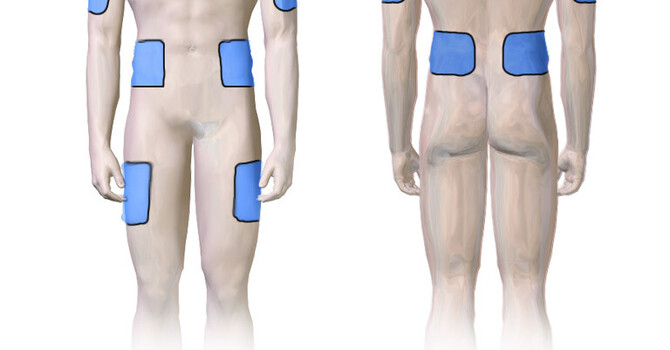
Treatment involves:
- Daily injections
- Long-term monitoring
- Regular laboratory testing
- Growth tracking
- Dose adjustments as needed
Unlike natural stimulation methods, injections directly supplement hormone levels.
This allows treatment to bypass inadequate natural production.
Parents often begin researching human growth hormone therapy for children after testing reveals hormone deficiencies.
How Growth Hormone Injections Work
Growth hormone injections stimulate:
- Growth plate activity
- Bone elongation
- IGF-1 production
- Height velocity
- Lean body mass development
Children receiving treatment frequently experience increased growth rates during the first year of therapy.
The degree of improvement varies based on:
- Age
- Diagnosis
- Bone age
- Puberty status
- Treatment timing
- Individual responsiveness
Families frequently ask how much height can HGH add to a child because outcomes vary significantly between patients.
Conditions That May Benefit From HGH Therapy
Growth hormone injections are not prescribed simply because a child is short.
Instead, treatment is generally reserved for specific medical conditions.
Examples include:
Growth Hormone Deficiency
Children diagnosed with growth hormone deficiency may experience significant improvements in growth velocity during treatment.
Idiopathic Short Stature
Some children qualify for treatment due to idiopathic short stature despite normal hormone testing.
Small for Gestational Age
Children born small who fail to demonstrate catch-up growth may benefit from evaluation for small for gestational age growth concerns.
Turner Syndrome
Certain genetic conditions such as Turner syndrome growth hormone therapy indications may qualify for treatment.
Constitutional Growth Delay in Select Cases
Although many children with constitutional growth delay eventually catch up naturally, some families pursue additional evaluation depending on growth patterns.
Natural GH Stimulation vs Growth Hormone Injections
Understanding the key differences helps parents make informed decisions.
Natural GH Stimulation
Benefits include:
- Non-invasive
- Supports overall health
- Improves sleep quality
- Optimizes nutrition
- Encourages healthy habits
- Important for every child
Limitations include:
- Cannot replace missing hormone
- Cannot significantly exceed natural production capacity
- May not correct medically significant growth disorders
Growth Hormone Injections
Benefits include:
- Direct hormone replacement
- Increased growth velocity
- Evidence-based treatment for specific diagnoses
- Decades of clinical research
Limitations include:
- Daily injections
- Medical supervision required
- Cost considerations
- Ongoing monitoring
Many parents compare growth hormone shots for short kids with lifestyle approaches before deciding on next steps.
Why Proper Evaluation Matters Before Choosing Either Option
The biggest mistake families can make is assuming every short child needs treatment—or assuming every short child simply needs more sleep.
Neither approach is always correct.
A proper evaluation helps determine the underlying cause.
Assessment may include:
Growth Chart Analysis
Reviewing years of measurements often provides critical clues.
Children may benefit from learning more about height percentile chart explained for parents before evaluation.
Growth Velocity Measurement
Tracking growth over time is often more important than a child's current height.
Evaluation of poor growth velocity frequently helps identify growth disorders early.
Bone Age Assessment
A bone age test for child height helps estimate skeletal maturity and future growth potential.
Laboratory Testing
Specialists may recommend:
- IGF-1 testing
- IGFBP-3 testing
- Thyroid testing
- Metabolic studies
Parents often review pediatric endocrine labs for height evaluation before obtaining testing.
Growth Hormone Testing
When indicated, a child growth hormone testing process may be recommended to assess hormone production.
The Emotional Side of Growth Concerns
Height concerns are not only about inches.
Many children struggle emotionally when they are significantly smaller than peers.
Some experience:
- Reduced confidence
- Social challenges
- Sports limitations
- Frustration with delayed development
Parents often seek guidance after reading articles such as my kid is the shortest in class what should I do or short stature child when to worry about your child's height.
Addressing growth concerns thoughtfully can help children feel more confident and supported regardless of the eventual treatment path.
When Should Parents Consider a Specialist Evaluation?
Consider seeking evaluation if your child:
- Falls below expected growth percentiles
- Grows significantly slower than peers
- Has delayed puberty
- Has a delayed bone age
- Has low IGF-1 levels
- Experiences declining growth velocity
- Appears much shorter than predicted by family height
A consultation can help determine whether natural optimization alone is appropriate or whether additional testing should be considered.
Frequently Asked Questions
Can sleep increase growth hormone naturally?
Yes. Deep sleep is one of the strongest natural triggers of growth hormone release.
Can exercise make children taller?
Exercise supports healthy growth but does not directly increase adult height beyond a child's natural potential.
Can nutrition replace growth hormone therapy?
No. Proper nutrition is essential, but it cannot replace growth hormone in children with true deficiencies.
Do all short children need HGH injections?
No. Many children are healthy and simply grow at different rates.
Can natural methods and HGH therapy be used together?
Absolutely. Children receiving treatment should still optimize sleep, nutrition, and exercise to maximize overall growth potential.
The Bottom Line
When comparing natural GH stimulation vs injections for children, it is important to recognize that these approaches serve different purposes.
Natural strategies such as sleep, nutrition, exercise, and healthy lifestyle habits help optimize the body's existing growth hormone production and should be encouraged for every child.
However, when a child has a true growth disorder such as growth hormone deficiency, natural methods alone may not be enough to restore normal growth patterns. In those situations, growth hormone injections may provide a medically appropriate way to support healthy development and improve growth velocity.
The key is obtaining an accurate evaluation first. Understanding the reason behind a child's slow growth allows families to make informed decisions and choose the approach most appropriate for their child's long-term health and growth potential.
Medically Reviewed By
Dr. Devin Stone, ND
Dr. Devin Stone is a Doctor of Naturopathic Medicine and founder of HGHforChildren.com. His clinical focus includes pediatric growth optimization, growth hormone deficiency, delayed bone age assessment, constitutional growth delay, IGF-1 evaluation, and evidence-informed therapies designed to help children maximize healthy growth potential.
References
- Pediatric Endocrine Society
- Growth Hormone Research Society
- Endocrine Society
- American Academy of Pediatrics
- National Institutes of Health (NIH)
- National Institute of Diabetes and Digestive and Kidney Diseases (NIDDK)
- Hormone Research in Paediatrics
- Journal of Clinical Endocrinology & Metabolism
Devin Stone
Contact Me